Kirjojen hintavertailu – 12 859 818 kirjaa ja 27 kauppaa
Kirjailija
Moriel Rothman-Zecher
Kirjat ja teokset yhdessä paikassa: 8 kirjaa, julkaisuja vuosilta 2018–2024, suosituimpiin kuuluu Fight of the Century. Vertaile teosten hintoja ja tarkista saatavuus suomalaisista kirjakaupoista.
Dave Cole; Viet Thanh Nguyen; Jacqueline woodson; Ann Patchett; Brit Bennett; Steven Okazaki; David Handler; Geraldine Brooks; Yaa Gyasi; Sergio De La Pava; Dave Eggers; Timothy Egan; Li Yiyun; Meg Wolitzer; Hector Tobar; Aleksandar Hemon; Elizabeth Strout; Rabih Alameddine; Moriel Rothman-Zecher; Jonathan Lethem; Salman Rushdie; Lauren Groff; Jennifer Egan; Scott Turow; Morgan Parker; Victor Lavalle; Michael Cunningham; Neil Gaiman; Jesmyn Ward; Moses Sumney; George Saunders; Marlon James; William Finnegan; Anthony Doerr
The American Civil Liberties Union partners with award-winning authors Michael Chabon and Ayelet Waldman in this “forceful, beautifully written” (Associated Press) collection that brings together many of our greatest living writers, each contributing an original piece inspired by a historic ACLU case. On January 19, 1920, a small group of idealists and visionaries, including Helen Keller, Jane Addams, Roger Baldwin, and Crystal Eastman, founded the American Civil Liberties Union. A century after its creation, the ACLU remains the nation’s premier defender of the rights and freedoms guaranteed by the Constitution. In collaboration with the ACLU, authors Michael Chabon and Ayelet Waldman have curated an anthology of essays “full of struggle, emotion, fear, resilience, hope, and triumph” (Los Angeles Review of Books) about landmark cases in the organization’s one-hundred-year history. Fight of the Century takes you inside the trials and the stories that have shaped modern life. Some of the most prominent cases that the ACLU has been involved in—Brown v. Board of Education, Roe v. Wade, Miranda v. Arizona—need little introduction. Others you may never even have heard of, yet their outcomes quietly defined the world we live in now. Familiar or little-known, each case springs to vivid life in the hands of the acclaimed writers who dive into the history, narrate their personal experiences, and debate the questions at the heart of each issue. Hector Tobar introduces us to Ernesto Miranda, the felon whose wrongful conviction inspired the now-iconic Miranda rights—which the police would later read to the man suspected of killing him. Yaa Gyasi confronts the legacy of Brown v. Board of Education, in which the ACLU submitted a friend of- the-court brief questioning why a nation that has sent men to the moon still has public schools so unequal that they may as well be on different planets. True to the ACLU’s spirit of principled dissent, Scott Turow offers a blistering critique of the ACLU’s stance on campaign finance. These powerful stories, along with essays from Neil Gaiman, Meg Wolitzer, Salman Rushdie, Ann Patchett, Viet Thanh Nguyen, Louise Erdrich, George Saunders, and many more, remind us that the issues the ACLU has engaged over the past one hundred years remain as vital as ever today, and that we can never take our liberties for granted. Chabon and Waldman are donating their advance to the ACLU and the contributors are forgoing payment.
Dave Cole; Viet Thanh Nguyen; Jacqueline woodson; Ann Patchett; Brit Bennett; Steven Okazaki; David Handler; Geraldine Brooks; Yaa Gyasi; Sergio De La Pava; Dave Eggers; Timothy Egan; Li Yiyun; Meg Wolitzer; Hector Tobar; Aleksandar Hemon; Elizabeth Strout; Rabih Alameddine; Moriel Rothman-Zecher; Jonathan Lethem; Salman Rushdie; Lauren Groff; Jennifer Egan; Scott Turow; Morgan Parker; Victor Lavalle; Michael Cunningham; Neil Gaiman; Jesmyn Ward; Moses Sumney; George Saunders; Marlon James; William Finnegan; Anthony Doerr
To mark its 100-year anniversary, the American Civil Liberties Union partners with award-winning authors Michael Chabon and Ayelet Waldman to bring together many of our greatest living writers, each contributing an original piece inspired by a historic ACLU case. On January 19, 1920, a small group of idealists and visionaries, including Helen Keller, Jane Addams, Roger Baldwin, and Crystal Eastman, founded the American Civil Liberties Union. A century after its creation, the ACLU remains the nation’s premier defender of the rights and freedoms guaranteed by the Constitution. In collaboration with the ACLU, authors Michael Chabon and Ayelet Waldman have curated an anthology of essays about landmark cases in the organization’s one-hundred-year history. Fight of the Century takes you inside the trials and the stories that have shaped modern life. Some of the most prominent cases that the ACLU has been involved in—Brown v. Board of Education, Roe v. Wade, Miranda v. Arizona—need little introduction. Others you may never even have heard of, yet their outcomes quietly defined the world we live in now. Familiar or little-known, each case springs to vivid life in the hands of the acclaimed writers who dive into the history, narrate their personal experiences, and debate the questions at the heart of each issue. Hector Tobar introduces us to Ernesto Miranda, the felon whose wrongful conviction inspired the now-iconic Miranda rights—which the police would later read to the man suspected of killing him. Yaa Gyasi confronts the legacy of Brown v. Board of Education, in which the ACLU submitted a friend of- the-court brief questioning why a nation that has sent men to the moon still has public schools so unequal that they may as well be on different planets. True to the ACLU’s spirit of principled dissent, Scott Turow offers a blistering critique of the ACLU’s stance on campaign finance. These powerful stories, along with essays from Neil Gaiman, Meg Wolitzer, Salman Rushdie, Ann Patchett, Viet Thanh Nguyen, Louise Erdrich, George Saunders, and many more, remind us that the issues the ACLU has engaged over the past one hundred years remain as vital as ever today, and that we can never take our liberties for granted. Chabon and Waldman are donating their advance to the ACLU and the contributors are forgoing payment.
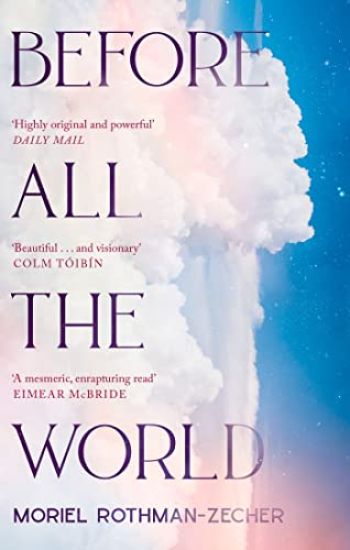
What does it mean to remember the past while still imagining the future? A mesmerizing story of two Jewish refugees and a Black writer - three lost souls who meet in 1930s Philadelphia and together seize new life while haunted by the old.
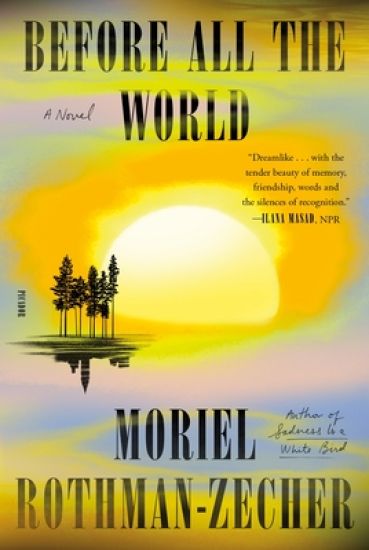
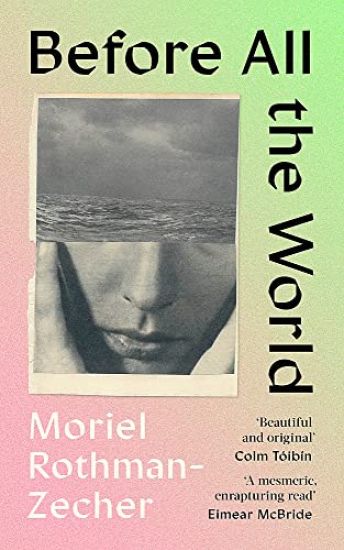
An NPR Best Book of the YearA mesmerizing, inventive story of three souls in 1930s Philadelphia seizing new life while haunted by the old. I do not believe that all the world is darkness. In the swirl of Philadelphia at the end of Prohibition, Leyb meets Charles. They are at a former speakeasy called Cricket's, a bar that welcomes, as Charles says in his secondhand Yiddish, feygeles. Leyb is startled; fourteen years in amerike has taught him that his native tongue is not known beyond his people. And yet here is suave Charles--fingers stained with ink, an easy manner with the barkeep--a Black man from the Seventh Ward, a fellow traveler of Red Emma's, speaking Jewish to a young man he will come to call Lion. Lion is haunted by memories of life before, in Zatelsk, where everyone in his village, everyone except the ten non-Jews, a young poet named Gittl, and Leyb himself, was taken to the forest and killed. Then, miraculously, Gittl is in Philadelphia, too, thanks to a poem she wrote and the intervention of a shadowy character known only as the Baroness of Philadelphia. And surrounding Gittl are malokhim, the spirits of her siblings. Flowing and churning and seething with a glorious surge of language, carried along by questions of survival and hope and the possibility of a better world, Moriel Rothman-Zecher's Before All the World lays bare the impossibility of escaping trauma, the necessity of believing in a better way ahead, and the power that comes from our responsibility to the future. It asks, in the voices of its angels, the most essential question: What do you intend to do before all the world?
A mesmerizing, inventive story of three souls in 1930s Philadelphia seizing new life while haunted by the old. 'Beautiful and original . . . making itself felt in complex and powerful and visionary ways, led by rhythm in the language and the urge to make that language new' Colm TóibÃn
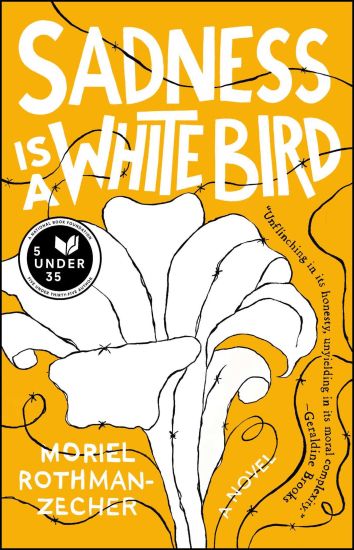
**A 2019 Dayton Literary Peace Prize Finalist** **A 2018 National Jewish Book Award Finalist for Debut Fiction** In this “nuanced, sharp, and beautifully written” (Michael Chabon) debut novel, a young man prepares to serve in the Israeli army while also trying to reconcile his close relationship to two Palestinian siblings with his deeply ingrained loyalties to family and country. The story begins in an Israeli military jail, where—four days after his nineteenth birthday—Jonathan stares up at the fluorescent lights of his cell and recalls the series of events that led him there. Two years earlier: Moving back to Israel after several years in Pennsylvania, Jonathan is ready to fight to preserve and defend the Jewish state. But he is also conflicted about the possibility of having to monitor the occupied Palestinian territories, a concern that grows deeper and more urgent when he meets Nimreen and Laith—the twin daughter and son of his mother’s friend. From that morning on, the three become inseparable: wandering the streets on weekends, piling onto buses toward new discoveries, laughing uncontrollably. They share joints on the beach, trading snippets of poems, intimate secrets, family histories, resentments, and dreams. But with his draft date rapidly approaching, Jonathan wrestles with the question of what it means to be proud of your heritage, while also feeling love for those outside of your own family. And then that fateful day arrives, the one that lands Jonathan in prison and changes his relationship with the twins forever. “Unflinching in its honesty, unyielding in its moral complexity” (Geraldine Brooks, Pulitzer Prize–winning author), Sadness Is a White Bird explores one man’s attempts to find a place for himself, discovering in the process a beautiful, against-the-odds love that flickers like a candle in the darkness of a never-ending conflict.