Kirjojen hintavertailu – 12 903 725 kirjaa ja 27 kauppaa

Kirjailija

Motsamai Molefe

Kirjat ja teokset yhdessä paikassa: 10 kirjaa, julkaisuja vuosilta 2019–2025, suosituimpiin kuuluu An Introduction to Human Rights in African Philosophy. Vertaile teosten hintoja ja tarkista saatavuus suomalaisista kirjakaupoista.

10 kirjaa

Kirjojen julkaisuvuodet: 2019–2025.

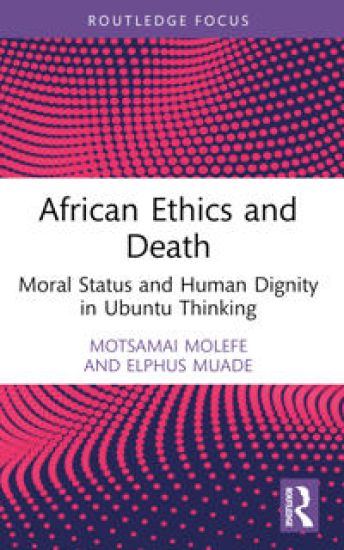
African Ethics and Death

African Ethics and Death

Motsamai Molefe; Elphus Muade

TAYLOR FRANCIS LTD
2025
nidottu
This book analyzes the concepts of moral status and human dignity in African philosophy and applies them to the moral problems associated with death. The book first challenges the criticism and rejection of moral status in African philosophy and then continues to consider how moral personhood is defined in African ethical theories, investigating which entities have full moral status or moral personhood and are therefore worthy of full ethical consideration. It then applies this theory to the problems associated with death. In the medical context, will an African theory of moral status permit or forbid euthanasia? Do we have moral obligations towards dead human bodies? Overall, the book provides an important African axiological contribution to debates on global ethics and moral philosophy. Providing an important overview of the ethical problems associated with the biological fact of death, this book will be of interest to researchers across the fields of philosophy and African studies.
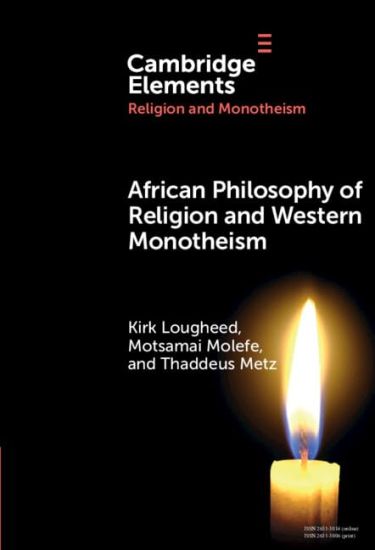
African Philosophy of Religion and Western Monotheism

African Philosophy of Religion and Western Monotheism

Kirk Lougheed; Motsamai Molefe; Thaddeus Metz

Cambridge University Press
2024
sidottu
The Abrahamic faiths of Christianity, Judaism, and Islam are typically recognized as the world's major monotheistic religions. However, African Traditional Religion is, despite often including lesser spirits and gods, a monotheistic religion with numerous adherents in sub-Saharan Africa; it includes the idea of a single most powerful God responsible for the creation and sustenance of everything else. This Element focuses on drawing attention to this major world religion that has been much neglected by scholars around the globe, particularly those working in the West or Northern Hemisphere. It accomplishes this primarily by bringing it into conversation with topics in the Anglo-American philosophy of religion.
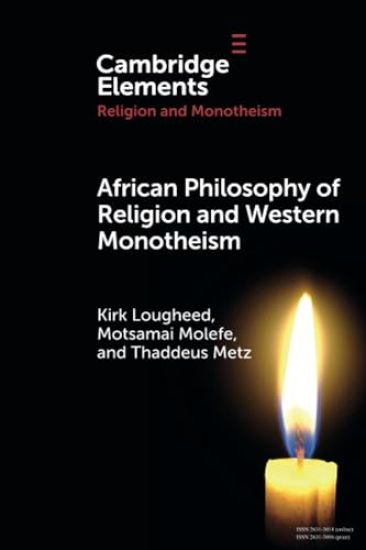
African Philosophy of Religion and Western Monotheism

African Philosophy of Religion and Western Monotheism

Kirk Lougheed; Motsamai Molefe; Thaddeus Metz

Cambridge University Press
2024
pokkari
The Abrahamic faiths of Christianity, Judaism, and Islam are typically recognized as the world's major monotheistic religions. However, African Traditional Religion is, despite often including lesser spirits and gods, a monotheistic religion with numerous adherents in sub-Saharan Africa; it includes the idea of a single most powerful God responsible for the creation and sustenance of everything else. This Element focuses on drawing attention to this major world religion that has been much neglected by scholars around the globe, particularly those working in the West or Northern Hemisphere. It accomplishes this primarily by bringing it into conversation with topics in the Anglo-American philosophy of religion.
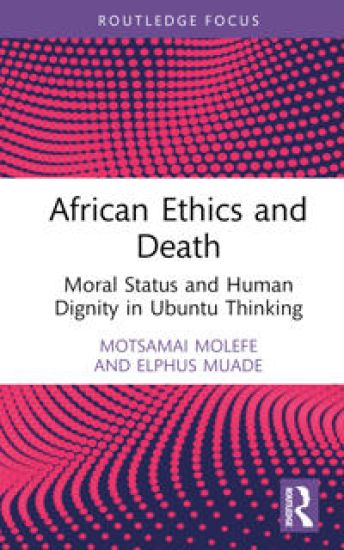
African Ethics and Death

African Ethics and Death

Motsamai Molefe; Elphus Muade

TAYLOR FRANCIS LTD
2023
sidottu
This book analyzes the concepts of moral status and human dignity in African philosophy and applies them to the moral problems associated with death. The book first challenges the criticism and rejection of moral status in African philosophy and then continues to consider how moral personhood is defined in African ethical theories, investigating which entities have full moral status or moral personhood and are therefore worthy of full ethical consideration. It then applies this theory to the problems associated with death. In the medical context, will an African theory of moral status permit or forbid euthanasia? Do we have moral obligations towards dead human bodies? Overall, the book provides an important African axiological contribution to debates on global ethics and moral philosophy. Providing an important overview of the ethical problems associated with the biological fact of death, this book will be of interest to researchers across the fields of philosophy and African studies.
Human Dignity in African Philosophy

Human Dignity in African Philosophy

Motsamai Molefe

Springer Nature Switzerland AG
2022
nidottu
This book throws a spotlight on the under-explored African perspective on the mercurial concept of human dignity. To do so, it employs two strategies. In the first instance, it considers African theories of human dignity: (1) vitality; (2) community; (3) Personhood. Secondly, it explores the plausibility of these theories by applying them to select applied ethics themes, specifically: animal ethics, disability ethics and euthanasia. The aim of this book is not to argue for the plausibility of these African theories, but to familiarize the global audience of philosophy, ethics and related disciplines (legal studies, sociology, bioethics and so on) with a neglected African perspective on this vital concept. The books is aimed at scholars of philosophy interested in non-European and specifically African perspective.

An African Ethics of Personhood and Bioethics

An African Ethics of Personhood and Bioethics

Motsamai Molefe

Springer Nature Switzerland AG
2021
nidottu
This book articulates an African conception of dignity in light of the salient axiological category of personhood in African cultures. The idea of personhood embodies a moral system for evaluating human lives exuding with virtue or ones that are morally excellent. This book argues that this idea of personhood embodies an under-explored conception of dignity, which accounts for it in terms of our capacity for the virtue of sympathy. It then proceeds to apply this personhood-based conception of dignity to bioethical questions, specifically, those of abortion and euthanasia. Regarding abortion, it concludes that it is impermissible since foetuses possess partial moral status. Regarding euthanasia, it argues that it is permissible for reasons revolving around avoiding the reversing of personhood. It also, though, minimally, touches on the questions regarding the mentally disabled and animals, to which it assigns lower moral status.
An African Ethics of Personhood and Bioethics

An African Ethics of Personhood and Bioethics

Motsamai Molefe

Springer Nature Switzerland AG
2020
sidottu
This book articulates an African conception of dignity in light of the salient axiological category of personhood in African cultures. The idea of personhood embodies a moral system for evaluating human lives exuding with virtue or ones that are morally excellent. This book argues that this idea of personhood embodies an under-explored conception of dignity, which accounts for it in terms of our capacity for the virtue of sympathy. It then proceeds to apply this personhood-based conception of dignity to bioethical questions, specifically, those of abortion and euthanasia. Regarding abortion, it concludes that it is impermissible since foetuses possess partial moral status. Regarding euthanasia, it argues that it is permissible for reasons revolving around avoiding the reversing of personhood. It also, though, minimally, touches on the questions regarding the mentally disabled and animals, to which it assigns lower moral status.
African Personhood and Applied Ethics

African Personhood and Applied Ethics

Motsamai Molefe

Nisc (Pty) Ltd
2020
pokkari
Recently, the salient idea of personhood in the tradition of African philosophy has been objected to on various grounds. Two such objections stand out - the book deals with a lot more. The first criticism is that the idea of personhood is patriarchal insofar as it elevates the status of men and marginalises women in society. The second criticism observes that the idea of personhood is characterised by speciesism. The essence of these concerns is that personhood fails to embody a robust moral-political view. African Personhood and Applied Ethics offers a philosophical explication of the ethics of personhood to give reasons why we should take it seriously as an African moral perspective that can contribute to global moral-political issues. The book points to the two facets that constitute the ethics of personhood - an account of (1) moral perfection and (2) dignity. It then draws on the under-explored view of dignity qua the capacity for sympathy inherent in the moral idea of personhood to offer a unified account of selected themes in applied ethics, specifically women, animal and development.
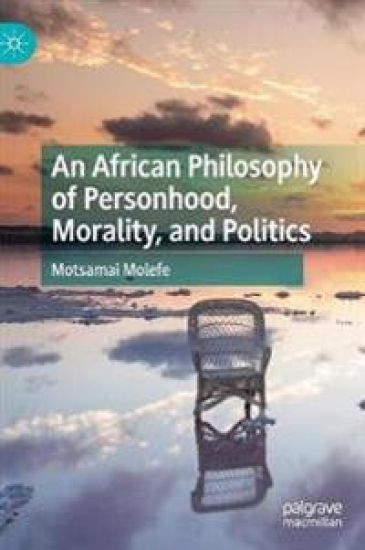
An African Philosophy of Personhood, Morality, and Politics

An African Philosophy of Personhood, Morality, and Politics

Motsamai Molefe

Springer Nature Switzerland AG
2019
sidottu
This book explores the salient ethical idea of personhood in African philosophy. It is a philosophical exposition that pursues the ethical and political consequences of the normative idea of personhood as a robust or even foundational ethical category. Personhood refers to the moral achievements of the moral agent usually captured in terms of a virtuous character, which have consequences for both morality and politics. The aim is not to argue for the plausibility of the ethical and political consequences of the idea of personhood. Rather, the book showcases some of the moral-political content and consequences of the account it presents.