Kirjojen hintavertailu – 12 903 725 kirjaa ja 27 kauppaa

Kirjailija

Mukul Sharma

Kirjat ja teokset yhdessä paikassa: 3 kirjaa, julkaisuja vuosilta 2007–2025, suosituimpiin kuuluu Contested Coastlines. Vertaile teosten hintoja ja tarkista saatavuus suomalaisista kirjakaupoista.

3 kirjaa

Kirjojen julkaisuvuodet: 2007–2025.

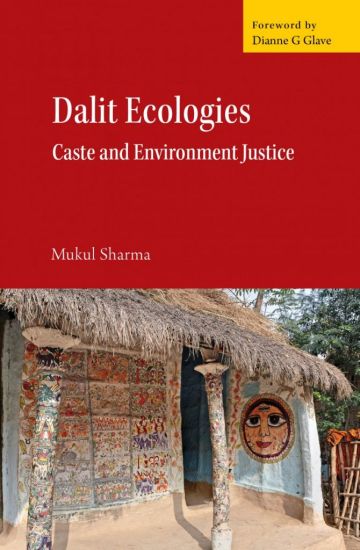
Dalit Ecologies

Dalit Ecologies

Mukul Sharma

Cambridge University Press
2025
sidottu

Halvin toimitettuna 113,50 €

Dalit Ecologies explores the ecological experiences, histories, and perspectives integrated within Dalit writing, art, and culture. Aligning with theories of environment justice and ecological struggles experienced by Black populations, the book delves into six major themes: caste, earth and earthly environment, labour, and mobility, casteization of technology and industry, climate justice, Dalit Bahujan Anthropocene, and eco-literary tradition. It looks at the relationship between caste and environment, Dalit autobiographies, folktales and novels, city, waste and discard, caste-based industry and occupation, technological injustice, weather, caste and climate change, and Black-Dalit ecologies. Expanding the boundaries of environmental studies, the book brings attention to individuals like Adwaita Mallabarman, Bama, Nek Chand and Deena-Bhadri on the one hand, and specific places and arenas like the rock garden, tannery, brick kiln, steel industry, and sanitation on the other.

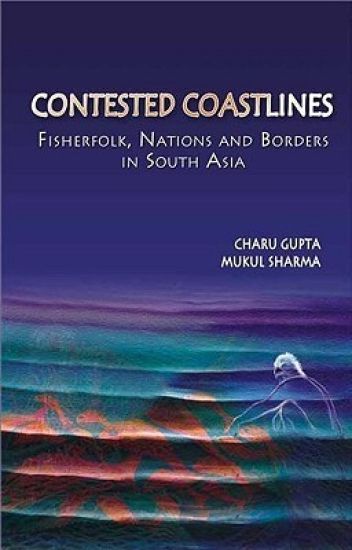
Contested Coastlines

Contested Coastlines

Charu Gupta; Mukul Sharma

Routledge India
2007
sidottu
This book is about the tragic journeys and livelihood insecurities of coastal fisherfolk jailed by India, Pakistan, Sri Lanka and Bangladesh for having entered each other’s territorial waters. While reflecting on national anxieties and the deleterious politics of boundaries, it reveals how these fisherfolk create alternative maps and a new world of ‘debordering’. These fishworkers and coastal conflicts have been subjects of everyday news, but never a subject of serious study. A first of its kind, the present book breaks new ground by examining the journeys of these fisherfolk and coastal conflicts in South Asia from several overlapping but distinct perspectives: declining sea resources, security and border anxieties, suffering of the fisherfolk, their ambiguous identities and transnational movements. The book is also innovative in terms of methodology: it is fisherfolk-centric as it marginalizes the concerns of the state from the perspective of security; it questions the very basis of security and argues for a shift in its perspective.