Kirjojen hintavertailu – 12 903 724 kirjaa ja 27 kauppaa

Kirjailija

Munther Younes

Kirjat ja teokset yhdessä paikassa: 21 kirjaa, julkaisuja vuosilta 2012–2026, suosituimpiin kuuluu 'Arabiyyat al-Naas (Part Three). Vertaile teosten hintoja ja tarkista saatavuus suomalaisista kirjakaupoista.

21 kirjaa

Kirjojen julkaisuvuodet: 2012–2026.

'Arabiyyat al-Naas (Part Three)

'Arabiyyat al-Naas (Part Three)

Munther Younes; Yomna Chami; Jonathan Featherstone

TAYLOR FRANCIS LTD
2026
sidottu
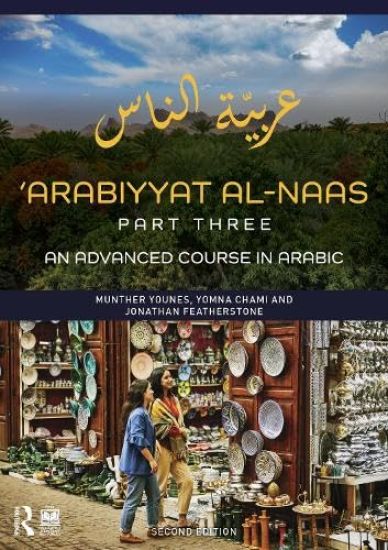
‘Arabiyyat al-Naas (Part Three): An Advanced Course in Arabic seamlessly integrates Modern Standard Arabic (MSA) and Educated Spoken Arabic (ESA) to enhance learners’ reading, writing, speaking, and listening skills. This new edition has been rewritten to include new material on Arab culture, figures, poetry, and literature. Features include: 12 theme-based units covering topics such as Arab history; the Arabic language; religion; Arab food; famous Arab women and men; religion; Palestine; economics; Arabic poetry and more. A thorough coverage of listening, speaking, reading and writing skills in every unit, with clear grammar explanations, drills and exercises Interesting audio interviews reflecting educated speech among Arabs from a wide range of Arabic speaking countries, to build up strong and practical communication skills and provide students with the ability to function linguistically anywhere in the Arab World. Attention to issues highly relevant to modern Arab society and culture to encourage active engagement with the course A rich variety of reading passages covering the culture of the whole of the Arab World from contemporary sources as well as excerpts from the classic works of famous authors such as Neguib Mahfouz and Khalid al Khamisi. Developed by an international team of three experienced and dynamic teachers based in Lebanon, the UK, and the US A video script can be found at www.routledge.com/9781032678405 for instructors The course will take students from the Advanced Mid to the Superior level on the ACTFL proficiency scales and from level B2 to C2 on the Common European Framework Reference for Languages. This volume is the final installment of a pioneering three-part series of Arabic textbooks which together provide a complete three-year or four-year undergraduate language program.
'Arabiyyat al-Naas (Part Three)

'Arabiyyat al-Naas (Part Three)

Munther Younes; Yomna Chami; Jonathan Featherstone

TAYLOR FRANCIS LTD
2026
nidottu
‘Arabiyyat al-Naas (Part Three): An Advanced Course in Arabic seamlessly integrates Modern Standard Arabic (MSA) and Educated Spoken Arabic (ESA) to enhance learners’ reading, writing, speaking, and listening skills. This new edition has been rewritten to include new material on Arab culture, figures, poetry, and literature. Features include: 12 theme-based units covering topics such as Arab history; the Arabic language; religion; Arab food; famous Arab women and men; religion; Palestine; economics; Arabic poetry and more. A thorough coverage of listening, speaking, reading and writing skills in every unit, with clear grammar explanations, drills and exercises Interesting audio interviews reflecting educated speech among Arabs from a wide range of Arabic speaking countries, to build up strong and practical communication skills and provide students with the ability to function linguistically anywhere in the Arab World. Attention to issues highly relevant to modern Arab society and culture to encourage active engagement with the course A rich variety of reading passages covering the culture of the whole of the Arab World from contemporary sources as well as excerpts from the classic works of famous authors such as Neguib Mahfouz and Khalid al Khamisi. Developed by an international team of three experienced and dynamic teachers based in Lebanon, the UK, and the US A video script can be found at www.routledge.com/9781032678405 for instructors The course will take students from the Advanced Mid to the Superior level on the ACTFL proficiency scales and from level B2 to C2 on the Common European Framework Reference for Languages. This volume is the final installment of a pioneering three-part series of Arabic textbooks which together provide a complete three-year or four-year undergraduate language program.
'Arabiyyat al-Naas (Part One)

'Arabiyyat al-Naas (Part One)

Munther Younes; Makda G. Weatherspoon; Maha Saliba Foster

TAYLOR FRANCIS LTD
2023
nidottu
‘Arabiyyat al-Naas (Part One), second edition, offers a groundbreaking introduction to Arabic as it is written and spoken by native speakers. It combines a grounding in Modern Standard Arabic (MSA) with an innovative integration of the spoken Levantine variety used in Syria, Lebanon, Jordan and Palestine. The course efficiently prepares students for the practical realities of learning and “living” Arabic today. The book contains 29 theme-based units covering all the core topics expected in a first-year Arabic course, such as countries, clothes, colors, family and professions. The book is to be used in conjunction with the companion website (www.routledge.com/cw/younes) offering a wealth of additional instructor and student resources. This volume is the first in an exciting three-part series of Arabic textbooks which together provide a complete three-year undergraduate language program. The book is an essential resource for students beginning to learn Arabic. While primarily designed for classroom use, it is also highly suitable for independent study. The materials are designed to bring students from the novice low level to the intermediate low level on the ACTFL scale, and from A1 to A2/B1 on the CEFR scale.
'Arabiyyat al-Naas (Part One)

'Arabiyyat al-Naas (Part One)

Munther Younes; Makda G. Weatherspoon; Maha Saliba Foster

TAYLOR FRANCIS LTD
2023
sidottu

Halvin toimitettuna 188,70 €

‘Arabiyyat al-Naas (Part One), second edition, offers a groundbreaking introduction to Arabic as it is written and spoken by native speakers. It combines a grounding in Modern Standard Arabic (MSA) with an innovative integration of the spoken Levantine variety used in Syria, Lebanon, Jordan and Palestine. The course efficiently prepares students for the practical realities of learning and “living” Arabic today. The book contains 29 theme-based units covering all the core topics expected in a first-year Arabic course, such as countries, clothes, colors, family and professions. The book is to be used in conjunction with the companion website (www.routledge.com/cw/younes) offering a wealth of additional instructor and student resources. This volume is the first in an exciting three-part series of Arabic textbooks which together provide a complete three-year undergraduate language program. The book is an essential resource for students beginning to learn Arabic. While primarily designed for classroom use, it is also highly suitable for independent study. The materials are designed to bring students from the novice low level to the intermediate low level on the ACTFL scale, and from A1 to A2/B1 on the CEFR scale.
'Arabiyyat al-Naas (Part Two)

'Arabiyyat al-Naas (Part Two)

Munther Younes; Hanada Al-Masri; Jonathan Featherstone; Elizabeth Huntley; Makda Weatherspoon

TAYLOR FRANCIS LTD
2022
nidottu

Halvin toimitettuna 120,10 €

Arabiyyat al Naas (Part Two): An Intermediate Course in Arabic, second edition, offers a vibrant course in Arabic as it is written and spoken today by educated native speakers. It is a theme-based textbook delivered in the form of a serialized radio drama. Through the lens of journalism and personal interactions modelled by the main characters of this radio drama, learners are equipped to continue developing their spoken and written Arabic skills in the context of authentic dialogues and reading texts. As such, this book reflects cross-dialectal communication as used by native speakers across the Arab world. Features include:Twenty-one theme-based units covering a wide range of relevant and engaging topicsThorough coverage of listening, speaking, writing and reading skills in every unit, with lessons structured to provide students with variety, stimulation and further opportunities for practiceHumorous, realistic dialogues reflecting everyday educated speech among Arabs to build up strong and practical communication skillsFree companion website (www.routledge.com/cw/younes) featuring extensive audio recordings of the listening materials in the textbook, videos that supplement the textbook, and texts of the listening passages in the textbookDeveloped by an experienced and dynamic author team and tested over a number of years at Cornell University, Arabiyyat al Naas (Part Two) will be an essential resource for intermediate-level students of Arabic. While primarily designed for classroom use, the accessibility of the course also renders it highly suitable for independent study. Using the Common European Framework Reference, it takes the learner from B.1 to B.2 and, in terms of the levels of the American Council on the Teaching of Foreign Languages, it takes the learner from Intermediate Low to Intermediate High/Advanced Low. This volume is the second in a pioneering three-part series of Arabic textbooks which together provide a complete three-year undergraduate language program.
'Arabiyyat al-Naas (Part Two)

'Arabiyyat al-Naas (Part Two)

Munther Younes; Hanada Al-Masri; Jonathan Featherstone; Elizabeth Huntley; Makda Weatherspoon

TAYLOR FRANCIS LTD
2022
sidottu
Arabiyyat al Naas (Part Two): An Intermediate Course in Arabic, second edition, offers a vibrant course in Arabic as it is written and spoken today by educated native speakers. It is a theme-based textbook delivered in the form of a serialized radio drama. Through the lens of journalism and personal interactions modelled by the main characters of this radio drama, learners are equipped to continue developing their spoken and written Arabic skills in the context of authentic dialogues and reading texts. As such, this book reflects cross-dialectal communication as used by native speakers across the Arab world. Features include:Twenty-one theme-based units covering a wide range of relevant and engaging topicsThorough coverage of listening, speaking, writing and reading skills in every unit, with lessons structured to provide students with variety, stimulation and further opportunities for practiceHumorous, realistic dialogues reflecting everyday educated speech among Arabs to build up strong and practical communication skillsFree companion website (www.routledge.com/cw/younes) featuring extensive audio recordings of the listening materials in the textbook, videos that supplement the textbook, and texts of the listening passages in the textbookDeveloped by an experienced and dynamic author team and tested over a number of years at Cornell University, Arabiyyat al Naas (Part Two) will be an essential resource for intermediate-level students of Arabic. While primarily designed for classroom use, the accessibility of the course also renders it highly suitable for independent study. Using the Common European Framework Reference, it takes the learner from B.1 to B.2 and, in terms of the levels of the American Council on the Teaching of Foreign Languages, it takes the learner from Intermediate Low to Intermediate High/Advanced Low. This volume is the second in a pioneering three-part series of Arabic textbooks which together provide a complete three-year undergraduate language program.
Reading Mawsim al-Hijra ila al-Shamal

Reading Mawsim al-Hijra ila al-Shamal

Ahmad Alswaid; Munther Younes

TAYLOR FRANCIS LTD
2022
sidottu
Reading Mawsim al-Hijra ila al-Shamal: For Students of Arabic is intended for advanced students of Arabic who have studied the language for at least two years at college level or the equivalent. The book is designed to accompany Tayeb Salih's novel Mawsim al-Hijra ila al-Shamal, a masterpiece in modern Arabic literature. The book consists of 60 lessons, each of which includes a list of new vocabulary and a variety of activities and exercises, some oral and some written, whose goal is to develop students' listening, speaking, reading, and writing skills and knowledge of Arabic language, culture, and literature. The book ends with a glossary of literary terms. The book's e-resources include a comprehensive glossary of words arranged by root, a glossary of expressions, and other resources. The book can be used as a main or a supplementary text in an Arabic language course or for independent study.
Reading Mawsim al-Hijra ila al-Shamal

Reading Mawsim al-Hijra ila al-Shamal

Ahmad Alswaid; Munther Younes

TAYLOR FRANCIS LTD
2022
nidottu
Reading Mawsim al-Hijra ila al-Shamal: For Students of Arabic is intended for advanced students of Arabic who have studied the language for at least two years at college level or the equivalent. The book is designed to accompany Tayeb Salih's novel Mawsim al-Hijra ila al-Shamal, a masterpiece in modern Arabic literature. The book consists of 60 lessons, each of which includes a list of new vocabulary and a variety of activities and exercises, some oral and some written, whose goal is to develop students' listening, speaking, reading, and writing skills and knowledge of Arabic language, culture, and literature. The book ends with a glossary of literary terms. The book's e-resources include a comprehensive glossary of words arranged by root, a glossary of expressions, and other resources. The book can be used as a main or a supplementary text in an Arabic language course or for independent study.
Ri?la ila Bilad al-‘Arab ???? ??? ???? ?????
Ri?la ila Bilad al-‘Arab starts with the Arabic alphabet and gradually and systematically builds the reading and writing skills and mastery of Fu??a grammar. As students develop their reading, writing, and grammar skills, they will be learning about Arab history, society, and culture. This book contextualizes Arabic grammar teaching with sufficient and relevant drills and exercises. Added personal and cultural interest is given by the diary of Amal, an American student of Arab descent, who travels to Jordan and Palestine. This textbook includes maps, illustrations, and photographs and is accompanied by audio on the companion website that can be viewed here: www.routledge.com/cw/younes . The book is designed for Arabic heritage students—students who can understand and speak an Arabic dialect (Egyptian, Iraqi, Moroccan, etc.) but are unfamiliar with Modern Standard Arabic, known as Fu??a.
Ri?la ila Bilad al-‘Arab ???? ??? ???? ?????
Ri?la ila Bilad al-‘Arab starts with the Arabic alphabet and gradually and systematically builds the reading and writing skills and mastery of Fu??a grammar. As students develop their reading, writing, and grammar skills, they will be learning about Arab history, society, and culture. This book contextualizes Arabic grammar teaching with sufficient and relevant drills and exercises. Added personal and cultural interest is given by the diary of Amal, an American student of Arab descent, who travels to Jordan and Palestine. This textbook includes maps, illustrations, and photographs and is accompanied by audio on the companion website that can be viewed here: www.routledge.com/cw/younes . The book is designed for Arabic heritage students—students who can understand and speak an Arabic dialect (Egyptian, Iraqi, Moroccan, etc.) but are unfamiliar with Modern Standard Arabic, known as Fu??a.
Kalila wa Dimna

Kalila wa Dimna

Munther Younes

Routledge
2020
sidottu
Specifically designed for students of Arabic, this fully illustrated rendition of the Arabic literary classic enhances students’ reading, listening, speaking, and writing skills through the medium of these fun, engaging, and culturally relevant tales. The first part of this second edition follows the original order of the stories, with new vocabulary explained in footnotes throughout. In the second part, grammar explanations and a wealth of exercises provide ample opportunities for readers to improve their understanding of the stories and strengthen their command of Arabic grammar and Arabic writing. The audio material, containing the texts of the stories read by native speakers, is available to download free online to help develop the learner’s listening skills. Suitable for both class use and independent study, Kalila wa Dimna: for Students of Arabic is a must for all intermediate to advanced students wishing to enhance their language skills and discover one of the most popular pieces of Arabic literature ever written.
Kalila wa Dimna

Kalila wa Dimna

Munther Younes

Routledge
2020
nidottu
Specifically designed for students of Arabic, this fully illustrated rendition of the Arabic literary classic enhances students’ reading, listening, speaking, and writing skills through the medium of these fun, engaging, and culturally relevant tales. The first part of this second edition follows the original order of the stories, with new vocabulary explained in footnotes throughout. In the second part, grammar explanations and a wealth of exercises provide ample opportunities for readers to improve their understanding of the stories and strengthen their command of Arabic grammar and Arabic writing. The audio material, containing the texts of the stories read by native speakers, is available to download free online to help develop the learner’s listening skills. Suitable for both class use and independent study, Kalila wa Dimna: for Students of Arabic is a must for all intermediate to advanced students wishing to enhance their language skills and discover one of the most popular pieces of Arabic literature ever written.
Arabiyyat al-Naas fii MaSr (Part One)

Arabiyyat al-Naas fii MaSr (Part One)

Munther Younes; Makda Weatherspoon; Elizabeth Huntley; Jonathan Featherstone

Routledge
2019
nidottu

Halvin toimitettuna 124,00 €

‘Arabiyyat al-Naas fii MaSr (Part One) offers a ground-breaking introduction to Arabic as it is written and spoken by native speakers. It combines a progressive and rigorous grounding in Modern Standard Arabic (MSA), the register employed for reading, writing and formal speaking, with an innovative integration of the dominant Egyptian variety. Introducing the two simultaneously and seamlessly building on their shared features, ‘Arabiyyat al-Naas fii MaSr (Part One) uses each in its proper context: Egyptian dialect for conversations and MSA for reading and writing activities. In this way, the course efficiently prepares students for the practical realities of learning and living Arabic today. Features include: Expanded grammar explanations and activation drills, including discussions about colloquial and formal similarities and differences A series of authentic video-clips recorded in Egypt to help learners revise the vocabulary and structures then learn unit by unit Extensive classroom activities and homework exercises that provide constant review to reinforce learning Arabic-English and English-Arabic glossaries, reference charts, and a grammar index Songs with simple lyrics tied to the themes of the course to help advance vocabulary acquisition and understanding of basic grammatical structures A companion website (www.routledge.com/cw/weatherspoon) that features fully integrated interactive, self-correcting exercises, audio and video materials, and additional online course management and grading options for teachers A user-friendly and vibrant text design with full colour, richly illustrated throughout with over two hundred illustrations and photos A teachers manual with an Arabic introduction for the teacher, which lays out the structure of the student course book, its methodology and directions and suggestions for its use. Written by experienced teachers of Arabic and experts in Arabic teaching pedagogy, ‘Arabiyyat al-Naas fii MaSr (Part One) is an essential resource for students beginning to learn Arabic.
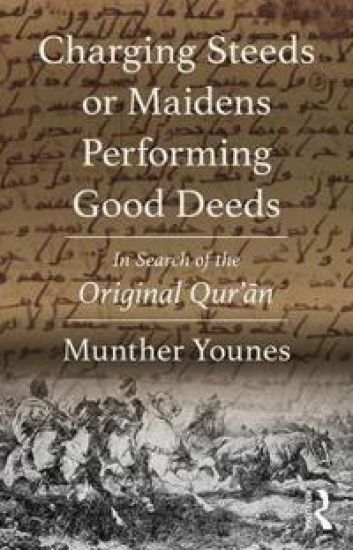
Charging Steeds or Maidens Performing Good Deeds
Charging Steeds or Maidens Performing Good Deeds: In Search of the Original Qur'an brings an important contribution to understanding the development of the Qur'anic corpus. Through a selection of meaningful case studies, the author convincingly argues for a different interpretative approach to the Qur’anic text. Taking as a starting point the consonantal skeleton of the holy text, known as the ‘Uthmanic rasm, and offering a critical reading of the Muslim interpretive tradition, such an approach produces a clearer understanding of parts of the Qur’an which have defied Muslim and non-Muslim scholars since the early days of Islam.
Charging Steeds or Maidens Performing Good Deeds
Charging Steeds or Maidens Performing Good Deeds: In Search of the Original Qur'an brings an important contribution to understanding the development of the Qur'anic corpus. Through a selection of meaningful case studies, the author convincingly argues for a different interpretative approach to the Qur’anic text. Taking as a starting point the consonantal skeleton of the holy text, known as the ‘Uthmanic rasm, and offering a critical reading of the Muslim interpretive tradition, such an approach produces a clearer understanding of parts of the Qur’an which have defied Muslim and non-Muslim scholars since the early days of Islam.
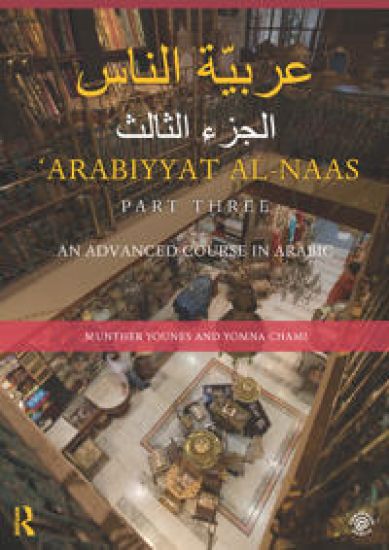
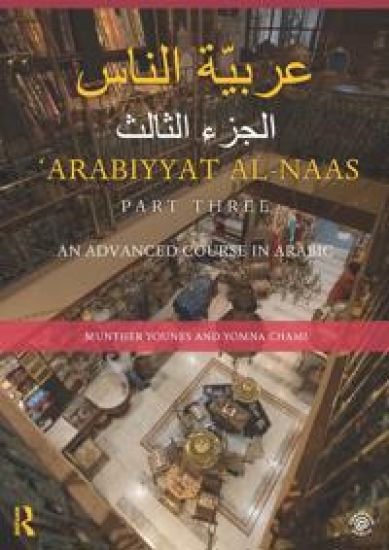
Arabiyyat al-Naas (Part Three)

Arabiyyat al-Naas (Part Three)

Munther Younes

Routledge
2017
sidottu
? Arabiyyat al-Naas (Part Three): An Advanced Course in Arabic builds further on the groundbreaking approach used in Part One and Part Two of the series. It integrates Modern Standard Arabic (MSA) and spoken Levantine in a way specially tailored to the needs of advanced students. Levantine Arabic strongly features in spoken discussions of MSA materials, reflecting authentic practice by native speakers. However, the overall ratio of MSA ? the form employed for reading, writing and formal speaking in the Arab world ? to Levantine has been increased, supporting students? mounting need for MSA as they progress further in their education. This textbook is designed to take learners from the Advanced Low to the Advanced High level according to the ACTFL criteria, and from level B2 to C1 on the CEFR proficiency scales. Features include: 18 theme-based units covering topics such as Arab minorities; education; religion; love and marriage; the Arab woman; economics; politics; military matters; and the environment thorough coverage of listening, speaking, reading, and writing skills with clear grammar explanations and lessons structured to provide opportunities for further practice humorous, realistic dialogues reflecting educated speech among Arabs, to build up strong and practical communication skills attention to issues highly relevant to modern Arab society, encouraging active engagement with the course and further exploration of the themes a rich variety of reading passages from contemporary sources such as Al Jazeera as well as excerpts from the classic works One Thousand and One Nights and Kalila wa Dimna an extensive range of stimulating exercises and activities, including crossword puzzles, root-and-pattern identification exercises, passage completions, and free compositions free companion website (www.routledge.com/cw/
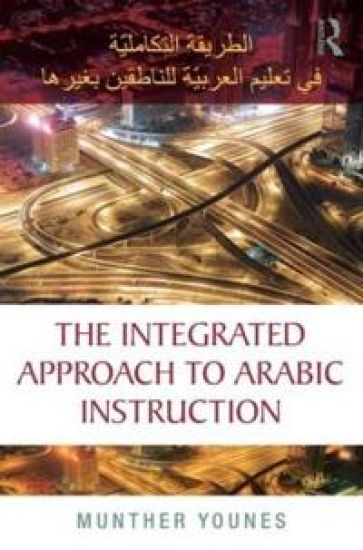
The Integrated Approach to Arabic Instruction
Leading teacher of Arabic, Munther Younes, explores the realities of teaching Arabic as a foreign language (AFL) and outlines his groundbreaking approach to instruction, tried and tested over many years at Cornell University. The Integrated Approach to Arabic Instruction introduces teachers to the features of an integrated Arabic program—one that simultaneously teaches the two varieties of the language, Modern Standard Written Arabic, fu??a, and the dialect, ammiyya, in a way that reflects the authentic practice of native Arabic speakers. This pedagogy, Younes argues, is the most logical, effective and economical method of instruction as it prepares students fully for the realities of the Arabic diglossic situation. Younes takes teachers through the following ground:Consideration of the current Arabic sociolinguistic situation and key debates in the fieldOutline of changing student goals and the needs of the modern AFL learnerOverview of the Integrated Approach covering its rationale, features, implementation methods and usage of instructional materials in the classroomResponse to objections to the Integrated Approach, outlining its advantages over alternative practices and clarifying crucial issues in practice The Integrated Approach to Arabic Instruction addresses a pressing issue deeply relevant to the world of Arabic language instruction, placed in the practical context of shifting attitudes among students and educators. It will be an essential resource for all teachers of Arabic as a Foreign Language.
The Integrated Approach to Arabic Instruction
Leading teacher of Arabic, Munther Younes, explores the realities of teaching Arabic as a foreign language (AFL) and outlines his groundbreaking approach to instruction, tried and tested over many years at Cornell University. The Integrated Approach to Arabic Instruction introduces teachers to the features of an integrated Arabic program—one that simultaneously teaches the two varieties of the language, Modern Standard Written Arabic, fu??a, and the dialect, ammiyya, in a way that reflects the authentic practice of native Arabic speakers. This pedagogy, Younes argues, is the most logical, effective and economical method of instruction as it prepares students fully for the realities of the Arabic diglossic situation. Younes takes teachers through the following ground:Consideration of the current Arabic sociolinguistic situation and key debates in the fieldOutline of changing student goals and the needs of the modern AFL learnerOverview of the Integrated Approach covering its rationale, features, implementation methods and usage of instructional materials in the classroomResponse to objections to the Integrated Approach, outlining its advantages over alternative practices and clarifying crucial issues in practice The Integrated Approach to Arabic Instruction addresses a pressing issue deeply relevant to the world of Arabic language instruction, placed in the practical context of shifting attitudes among students and educators. It will be an essential resource for all teachers of Arabic as a Foreign Language.
Arabiyyat al-Naas (Part Three)

Arabiyyat al-Naas (Part Three)

Munther Younes

Routledge
2014
nidottu
‘Arabiyyat al-Naas (Part Three): An Advanced Course in Arabic builds further on the groundbreaking approach used in Part One and Part Two of the series. It integrates Modern Standard Arabic (MSA) and spoken Levantine in a way specially tailored to the needs of advanced students. Levantine Arabic strongly features in spoken discussions of MSA materials, reflecting authentic practice by native speakers. However, the overall ratio of MSA – the form employed for reading, writing and formal speaking in the Arab world – to Levantine has been increased, supporting students’ mounting need for MSA as they progress further in their education. This textbook is designed to take learners from the Advanced Low to the Advanced High level according to the ACTFL criteria, and from level B2 to C1 on the CEFR proficiency scales. Features include: 18 theme-based units covering topics such as Arab minorities; education; religion; love and marriage; the Arab woman; economics; politics; military matters; and the environmentthorough coverage of listening, speaking, reading, and writing skills with clear grammar explanations and lessons structured to provide opportunities for further practicehumorous, realistic dialogues reflecting educated speech among Arabs, to build up strong and practical communication skillsattention to issues highly relevant to modern Arab society, encouraging active engagement with the course and further exploration of the themesa rich variety of reading passages from contemporary sources such as Al Jazeera as well as excerpts from the classic works One Thousand and One Nights and Kalila wa Dimna an extensive range of stimulating exercises and activities, including crossword puzzles, root-and-pattern identification exercises, passage completions, and free compositionsfree companion website (www.routledge.com/cw/younes) with the audio tracks, and texts of the listening passages and answer key. Developed by a dynamic author team and tested over a number of years at Cornell University, ‘Arabiyyat al-Naas (Part Three) is an essential resource for advanced-level students of Arabic. While primarily designed for classroom use, the accessibility of the course also renders it highly suitable for independent study. This volume is the final installment of a pioneering three-part series of Arabic textbooks which together provide a complete three-year undergraduate language program. Munther Younes and Yomna H. Chami both teach Arabic at Cornell University, USA.
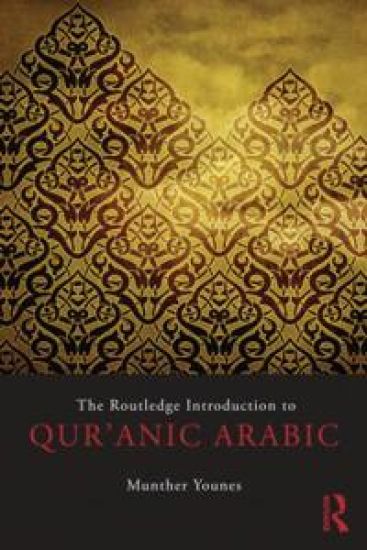
The Routledge Introduction to Qur'anic Arabic
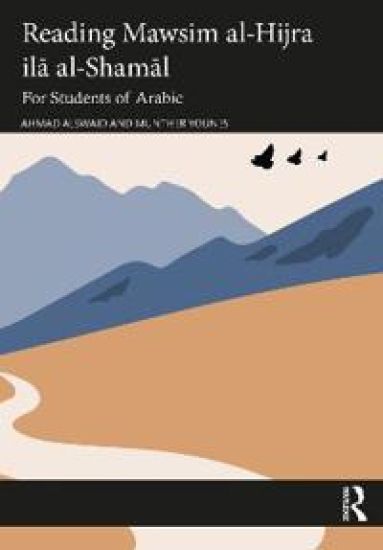
The Routledge Introduction to Qur’anic Arabic is an innovative, text-based, language course designed for students interested in acquiring a foundation in Qur’anic and Classical Arabic. Focused on enhancing comprehension and vocabulary acquisition, the book contains 40 lessons designed to be covered in about 40 hours of classroom instruction. Starting with the shorter suras of the Qur’an, such as al-Fatiha and those of the Juz’ ‘Amma, it utilizes their recurring vocabulary and grammatical structures to build a stable linguistic foundation for learners before moving on to more challenging and longer suras such as Yasin, Maryam and Yusuf. Although the book is primarily designed for classroom use, the vocabulary and structures of the short suras, the accompanying audio recordings, and the activities found throughout the book will also be helpful for independent learners. The only prerequisite is knowledge of the Arabic writing system. The audio material, which is available on the Routledge website, helps learners improve their pronunciation of individual sounds and develop their skills to syllabify Arabic words and phrases correctly in order to approximate that of native speakers. Also available on the website are answer keys to exercises and transcriptions of the audio material. Written by an experienced teacher, The Routledge Introduction to Qur’anic Arabic is an essential guide for instructors, students and anyone interested in developing their knowledge of Qur’anic Arabic.