Kirjojen hintavertailu – 12 859 827 kirjaa ja 27 kauppaa
Kirjailija
Muthuraj Swamy
Kirjat ja teokset yhdessä paikassa: 10 kirjaa, julkaisuja vuosilta 2016–2025, suosituimpiin kuuluu New Wine in New Wineskins. Vertaile teosten hintoja ja tarkista saatavuus suomalaisista kirjakaupoista.
This book is a short introduction to one of the most remarkable transformations in the modern world that many people still do not know about. In 1900 more than 80 percent of the world's Christians lived in Europe and North America and nearly all of the world's missionaries were sent out "from the West to the rest." In a dramatic turn of events Christianity experienced a decidedly "Southern shift" during the twentieth century. Today nearly 70 percent of the world's 2.5 billion Christians live Africa, Asia, and Latin America, while nearly half of all missionaries are being sent out into all the world from places like Brazil, Ethiopia, and South Korea. This book is intended to change the way readers think about the church and challenge the way Western Christians engage in contemporary missions.
This book is a short introduction to one of the most remarkable transformations in the modern world that many people still do not know about. In 1900 more than 80 percent of the world's Christians lived in Europe and North America and nearly all of the world's missionaries were sent out ""from the West to the rest."" In a dramatic turn of events Christianity experienced a decidedly ""Southern shift"" during the twentieth century. Today nearly 70 percent of the world's 2.5 billion Christians live Africa, Asia, and Latin America, while nearly half of all missionaries are being sent out into all the world from places like Brazil, Ethiopia, and South Korea. This book is intended to change the way readers think about the church and challenge the way the Western Christians engage in contemporary missions.
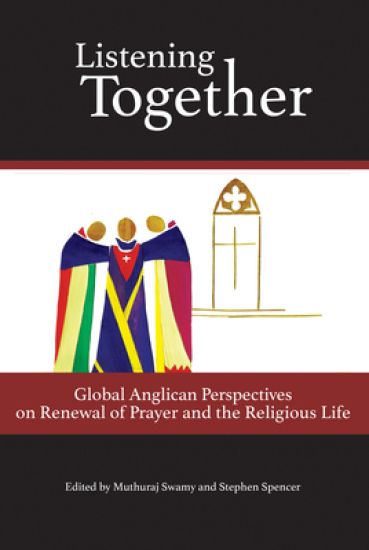
With 85 million members in more than 165 countries, the Anglican Communion represents a wide variety of opinions on mission, theology, and how to live and act as God's people. Listening Together focuses on the renewal of prayer and the religious life, with stories and reflections from faithful leaders from across the Communion. "Nothing is more important to our relationship with God than prayer through Jesus Christ," says Justin Welby, Archbishop of Canterbury. "Renewal of the religious life and renewal of prayer go hand in hand: There will not be one without the other. It is about letting God into every last part of our life." Listening Together is the third of a three-book series to help Anglicans around the world discuss shared challenges and opportunities for mission and ministry.
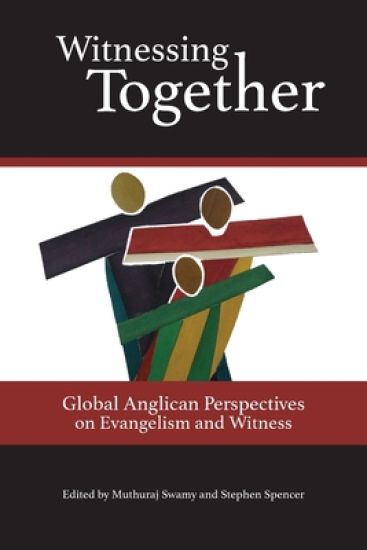
With 85 million members in more than 165 countries, the Anglican Communion represents a wide variety of opinions on mission, theology, and how to live and act as God's people. Witnessing Together focuses on preaching the gospel in different contexts around the world, highlighting practices that are transforming communities of faith. "Each context is profoundly unique; opening a window on each of these enables the church in each place to share something of God with the church everywhere else. Unless we come together and share like this, our vision of God is small, impoverished," offers Justin Welby, Archbishop of Canterbury. Stories of witnessing and sharing the love of God in Christ-of persevering in the hope of the resurrection-are the beating heart of the Church. "Listen carefully to its different voices and their richness," Archbishop Welby says. "Be open to its challenges, and be inspired to join in more fully with proclaiming the good news of Jesus." Witnessing Together is the second of a three-book series to help Anglicans around the world prepare for the upcoming Lambeth Conference, when bishops from across the Anglican Communion will gather to discuss shared challenges and opportunities for mission and ministry.
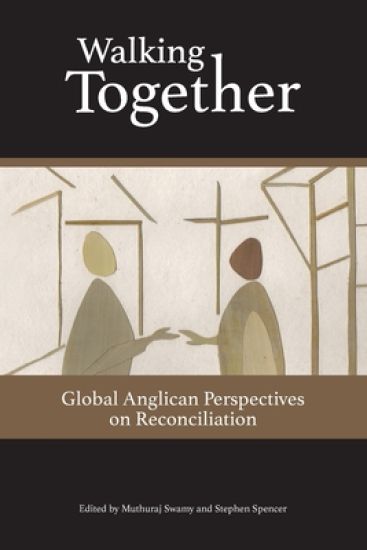
With 85 million members in more than 165 countries, the Anglican Communion represents a wide variety of opinions on mission, theology, and how to live and act as God's people. In Walking Together, global Anglican leaders share difficult and profound experiences of seeking reconciliation. If left to our own human devices, reconciliation is impossible, concedes Justin Welby, Archbishop of Canterbury. But Walking Together focuses not on the human task of reconciliation but on God's work, reminding us that when we seek reconciliation, "we are merely joining in the work that God has already begun." These stories of communities walking together toward reconciliation offer hope, allowing us to "glimpse the beauty of the people of God as they seek, despite their brokenness, to join in the work of the Kingdom." Walking Together is the first of a three-book series to help Anglicans around the world prepare for the upcoming Lambeth Conference, when bishops from across the Anglican Communion will gather to discuss shared challenges and opportunities for mission and ministry.
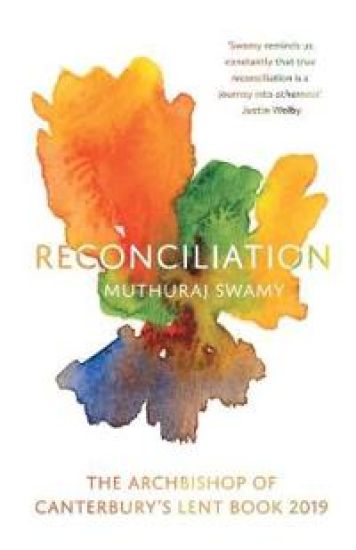
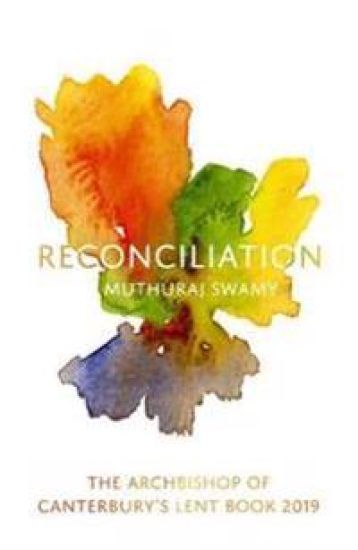
A throughly biblical guide to reconcilation-its passions and problems, its complexity and utter cruciality. Dr. Swamy offers new angles on old stories, prophetic messages, and a gospel wisdom on becaming people of peace.' The book issues a vibrant call to the Church to support and strenghthen relationships among church members; to cross borders to build connections with different denominations; and to maintain open attitudes towards our neighbour from other religions and ideologies.
Reconciling Christians offers 40 biblically-based meditations, with questions for reflection, for use at weekly gatherings (6 weeks) or for everyday devotion during Lent.
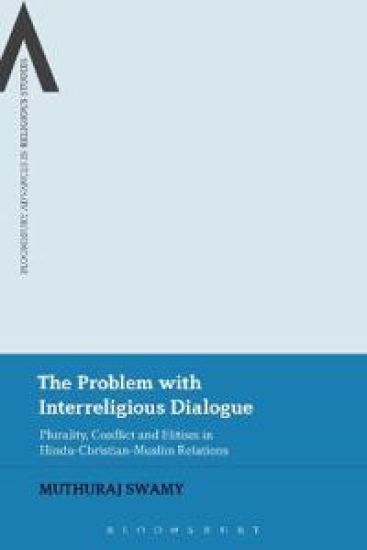
Muthuraj Swamy provides a fresh perspective on the world religions paradigm and ‘interreligious dialogue’. By challenging the assumption that ‘world religions’ operate as essential entities separate from the lived experiences of practitioners, he shows that interreligious dialogue is in turn problematic as it is built on this very paradigm, and on the myth of religious conflict. Offering a critique of the idea of ‘dialogue’ as it has been advanced by its proponents such as religious leaders and theologians whose aims are to promote inter-religious conversation and understanding, the author argues that this approach is ‘elitist’ and that in reality, people do not make sharp distinctions between religions, nor do they separate political, economic, social and cultural beliefs and practices from their religious traditions. Case studies from villages in southern India explore how Hindu, Muslim and Christian communities interact in numerous ways that break the neat categories often used to describe each religion. Swamy argues that those who promote dialogue are ostensibly attempting to overcome the separate identities of religious practitioners through understanding, but in fact, they re-enforce them by encouraging a false sense of separation. The Problem with Interreligious Dialogue: Plurality, Conflict and Elitism in Hindu-Christian-Muslim Relations provides an innovative approach to a central issue confronting Religious Studies, combining both theory and ethnography.
Muthuraj Swamy provides a fresh perspective on the world religions paradigm and ‘interreligious dialogue’. By challenging the assumption that ‘world religions’ operate as essential entities separate from the lived experiences of practitioners, he shows that interreligious dialogue is in turn problematic as it is built on this very paradigm, and on the myth of religious conflict. Offering a critique of the idea of ‘dialogue’ as it has been advanced by its proponents such as religious leaders and theologians whose aims are to promote inter-religious conversation and understanding, the author argues that this approach is ‘elitist’ and that in reality, people do not make sharp distinctions between religions, nor do they separate political, economic, social and cultural beliefs and practices from their religious traditions. Case studies from villages in southern India explore how Hindu, Muslim and Christian communities interact in numerous ways that break the neat categories often used to describe each religion. Swamy argues that those who promote dialogue are ostensibly attempting to overcome the separate identities of religious practitioners through understanding, but in fact, they re-enforce them by encouraging a false sense of separation. The Problem with Interreligious Dialogue: Plurality, Conflict and Elitism in Hindu-Christian-Muslim Relations provides an innovative approach to a central issue confronting Religious Studies, combining both theory and ethnography.