Kirjojen hintavertailu – 12 903 725 kirjaa ja 27 kauppaa

Kirjailija

Myria Georgiou

Kirjat ja teokset yhdessä paikassa: 9 kirjaa, julkaisuja vuosilta 2006–2023, suosituimpiin kuuluu Diaspora, Identity and the Media. Vertaile teosten hintoja ja tarkista saatavuus suomalaisista kirjakaupoista.

9 kirjaa

Kirjojen julkaisuvuodet: 2006–2023.

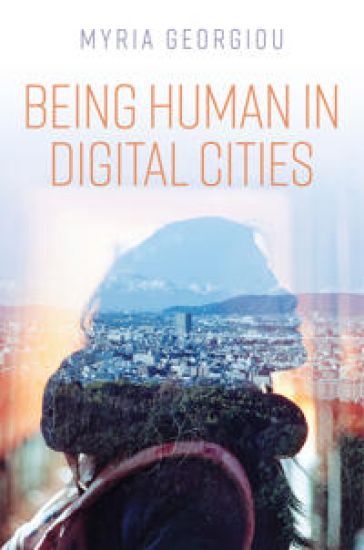
Being Human in Digital Cities

Being Human in Digital Cities

Myria Georgiou

JOHN WILEY AND SONS LTD
2023
nidottu
How is life in digital cities changing what it means to be human? In this perceptive book, Myria Georgiou sets out to investigate the new configuration of social order that is taking shape in today’s cities. Although routed through extractive datafication, compulsive connectivity, and regulatory AI technologies, this digital order nonetheless displaces technocentrism and instead promotes new visions of humanism, all in the name of freedom, diversity, and sustainability. But the digital order emerges in the midst of neoliberal instability and crises, resulting in a plurality of contrasting responses to securing digitally mediated human progress. While corporate, media, and state actors mobilize such positive sociotechnical imaginaries to promise digitally mediated human progress, urban citizens and social movements propose alternative pathways to autonomy and dignity through and sometimes against digital technologies. Investigating the dynamic workings of technology and power from a transnational and comparative perspective, this book reveals the contradictory claims and struggles for the future of digital cities and their humanity. In doing so, it will enrich understandings of digital urbanism, critical data studies, and critical humanist studies.?
Being Human in Digital Cities

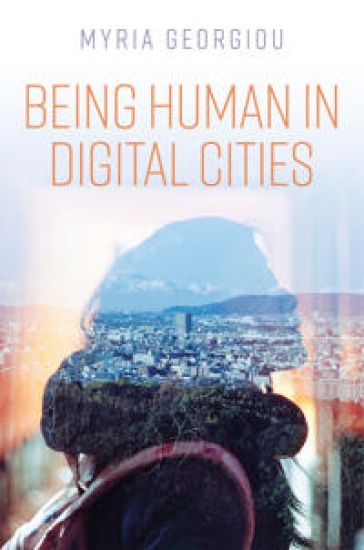
Being Human in Digital Cities

Myria Georgiou

JOHN WILEY AND SONS LTD
2023
sidottu
How is life in digital cities changing what it means to be human? In this perceptive book, Myria Georgiou sets out to investigate the new configuration of social order that is taking shape in today’s cities. Although routed through extractive datafication, compulsive connectivity, and regulatory AI technologies, this digital order nonetheless displaces technocentrism and instead promotes new visions of humanism, all in the name of freedom, diversity, and sustainability. But the digital order emerges in the midst of neoliberal instability and crises, resulting in a plurality of contrasting responses to securing digitally mediated human progress. While corporate, media, and state actors mobilize such positive sociotechnical imaginaries to promise digitally mediated human progress, urban citizens and social movements propose alternative pathways to autonomy and dignity through and sometimes against digital technologies. Investigating the dynamic workings of technology and power from a transnational and comparative perspective, this book reveals the contradictory claims and struggles for the future of digital cities and their humanity. In doing so, it will enrich understandings of digital urbanism, critical data studies, and critical humanist studies.?
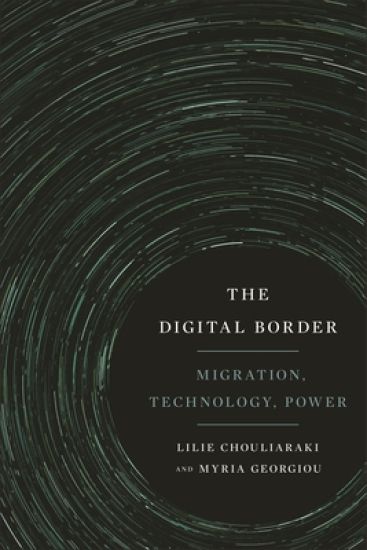
The Digital Border

The Digital Border

Lilie Chouliaraki; Myria Georgiou

NEW YORK UNIVERSITY PRESS
2022
pokkari
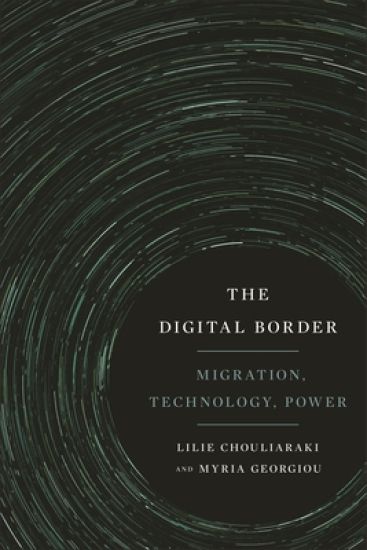
How do digital technologies shape the experiences and meanings of migration? As the numbers of people fleeing war, poverty, and environmental disaster reach unprecedented levels worldwide, states also step up their mechanisms of border control. In this, they rely on digital technologies, big data, artificial intelligence, social media platforms, and institutional journalism to manage not only the flow of people at crossing-points, but also the flow of stories and images of human mobility that circulate among their publics. What is the role of digital technologies is shaping migration today? How do digital infrastructures, platforms, and institutions control the flow of people at the border? And how do they also control the public narratives of migration as a "crisis"? Finally, how do migrants themselves use these same platforms to speak back and make themselves heard in the face of hardship and hostility? Taking their case studies from the biggest migration event of the twenty-first century in the West, the 2015 European migration "crisis" and its aftermath up to 2020, Lilie Chouliaraki and Myria Georgiou offer a holistic account of the digital border as an expansive assemblage of technological infrastructures (from surveillance cameras to smartphones) and media imaginaries (stories, images, social media posts) to tell the story of migration as it unfolds in Europe's outer islands as much as its most vibrant cities. This is a story of exclusion, marginalization, and violence, but also of care, conviviality, and solidarity. Through it, the border emerges neither as strictly digital nor as totally controlling. Rather, the authors argue, the digital border is both digital and pre-digital; datafied and embodied; automated and self-reflexive; undercut by competing emotions, desires, and judgments; and traversed by fluid and fragile social relationships—relationships that entail both the despair of inhumanity and the promise of a better future.
The Digital Border

The Digital Border

Lilie Chouliaraki; Myria Georgiou

NEW YORK UNIVERSITY PRESS
2022
sidottu
How do digital technologies shape the experiences and meanings of migration? As the numbers of people fleeing war, poverty, and environmental disaster reach unprecedented levels worldwide, states also step up their mechanisms of border control. In this, they rely on digital technologies, big data, artificial intelligence, social media platforms, and institutional journalism to manage not only the flow of people at crossing-points, but also the flow of stories and images of human mobility that circulate among their publics. What is the role of digital technologies is shaping migration today? How do digital infrastructures, platforms, and institutions control the flow of people at the border? And how do they also control the public narratives of migration as a "crisis"? Finally, how do migrants themselves use these same platforms to speak back and make themselves heard in the face of hardship and hostility? Taking their case studies from the biggest migration event of the twenty-first century in the West, the 2015 European migration "crisis" and its aftermath up to 2020, Lilie Chouliaraki and Myria Georgiou offer a holistic account of the digital border as an expansive assemblage of technological infrastructures (from surveillance cameras to smartphones) and media imaginaries (stories, images, social media posts) to tell the story of migration as it unfolds in Europe's outer islands as much as its most vibrant cities. This is a story of exclusion, marginalization, and violence, but also of care, conviviality, and solidarity. Through it, the border emerges neither as strictly digital nor as totally controlling. Rather, the authors argue, the digital border is both digital and pre-digital; datafied and embodied; automated and self-reflexive; undercut by competing emotions, desires, and judgments; and traversed by fluid and fragile social relationships—relationships that entail both the despair of inhumanity and the promise of a better future.
Media and the City

Media and the City

Myria Georgiou

Polity Press
2013
sidottu
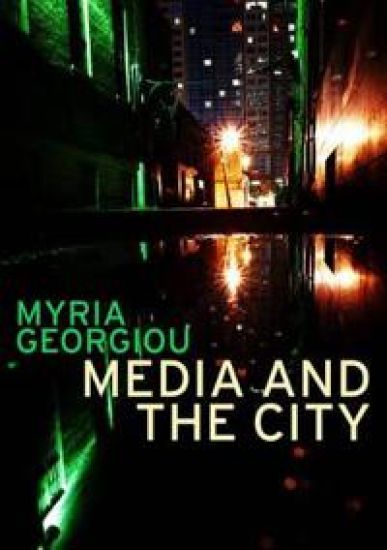
With the majority of the world's population now living in cities, questions about the cultural and political trajectories of urban societies are increasingly urgent. Media and the City explores the global city as the site where these questions become most prominent. As a space of intense communication and difference, the global city forces us to think about the challenges of living in close proximity to each other. Do we really see, hear and understand our neighbours? This engaging book examines the contradictory realities of cosmopolitanization as these emerge in four interfaces: consumption, identity, community and action. Each interface is analysed through a set of juxtapositions to reveal the global city as a site of antagonisms, empathies and co-existing particularities. Timely, interdisciplinary and multi-perspectival, Media and the City will be essential reading for students and scholars in media and communications, cultural studies and sociology, and of interest to those concerned with the growing role of the media in changing urban societies.
Media and the City

Media and the City

Myria Georgiou

Polity Press
2013
nidottu
With the majority of the world's population now living in cities, questions about the cultural and political trajectories of urban societies are increasingly urgent. Media and the City explores the global city as the site where these questions become most prominent. As a space of intense communication and difference, the global city forces us to think about the challenges of living in close proximity to each other. Do we really see, hear and understand our neighbours? This engaging book examines the contradictory realities of cosmopolitanization as these emerge in four interfaces: consumption, identity, community and action. Each interface is analysed through a set of juxtapositions to reveal the global city as a site of antagonisms, empathies and co-existing particularities. Timely, interdisciplinary and multi-perspectival, Media and the City will be essential reading for students and scholars in media and communications, cultural studies and sociology, and of interest to those concerned with the growing role of the media in changing urban societies.