Kirjojen hintavertailu – 12 903 735 kirjaa ja 27 kauppaa

Kirjailija

Nader Ahmadi

Kirjat ja teokset yhdessä paikassa: 4 kirjaa, julkaisuja vuosilta 1998–2020, suosituimpiin kuuluu Iranian Islam. Vertaile teosten hintoja ja tarkista saatavuus suomalaisista kirjakaupoista.

4 kirjaa

Kirjojen julkaisuvuodet: 1998–2020.

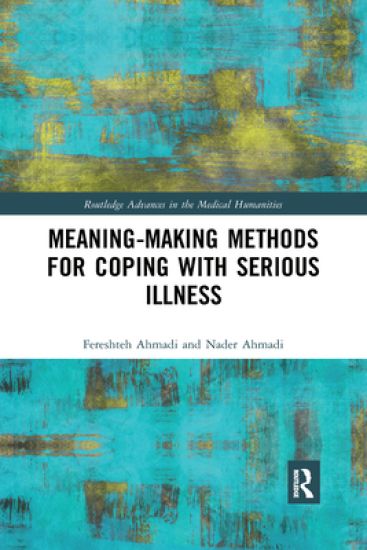
Meaning-making Methods for Coping with Serious Illness

Meaning-making Methods for Coping with Serious Illness

Fereshteh Ahmadi; Nader Ahmadi

Routledge
2020
nidottu
This book provides an alternative, complementary approach to the existing conventional approaches to religious and spiritually oriented coping. By focusing on the role of culture, the authors take into account the methods employed by a vast number of people who do not directly identify themselves as religious. The empirical data used in this book derive from studies conducted in several countries; Sweden, China, South Korea, Turkey and Malaysia, across which religion plays a different role in the social and cultural life of individuals. This approach and these empirical data are unique and allow comparisons to be made between different cultural settings. By introducing the concept of meaning-making coping, the authors explore the influence of culture on choice of coping methods, be they purely religious, spiritual or existential. The term "existential meaning-making coping" is used to describe coping methods that are related to existential questions; these methods include religious, spiritual and existential coping methods. Meaning-making Methods for Coping with Serious Illness contributes to new approaches and theoretical models of coping. As such it is an invaluable resource for health care, medical, public health and sociology students and researchers. It will also be of interest to educators and policy-makers working in the area of health.
Meaning-making Methods for Coping with Serious Illness

Meaning-making Methods for Coping with Serious Illness

Fereshteh Ahmadi; Nader Ahmadi

Routledge
2018
sidottu
This book provides an alternative, complementary approach to the existing conventional approaches to religious and spiritually oriented coping. By focusing on the role of culture, the authors take into account the methods employed by a vast number of people who do not directly identify themselves as religious. The empirical data used in this book derive from studies conducted in several countries; Sweden, China, South Korea, Turkey and Malaysia, across which religion plays a different role in the social and cultural life of individuals. This approach and these empirical data are unique and allow comparisons to be made between different cultural settings. By introducing the concept of meaning-making coping, the authors explore the influence of culture on choice of coping methods, be they purely religious, spiritual or existential. The term "existential meaning-making coping" is used to describe coping methods that are related to existential questions; these methods include religious, spiritual and existential coping methods. Meaning-making Methods for Coping with Serious Illness contributes to new approaches and theoretical models of coping. As such it is an invaluable resource for health care, medical, public health and sociology students and researchers. It will also be of interest to educators and policy-makers working in the area of health.
Iranian Islam

Iranian Islam

Fereshteh Ahmadi; Nader Ahmadi

Palgrave Macmillan
1998
sidottu
The author examines from different perspectives (theological and philosophical as well as socio-political and historical) the significance of the concept of the individual in the ways of thinking of Iranians. This book establishes that the mystical dimension of Islamic thought, the divine nature of Islamic law and, the mode of relationship between ruler and the ruled, in combination, counteracted growth of concern for the individual self in Iranian thought.
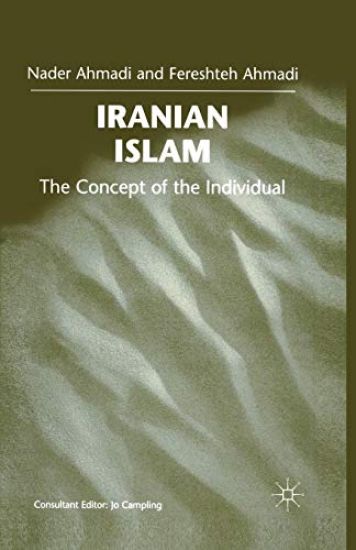
Iranian Islam

Iranian Islam

Fereshteh Ahmadi; Nader Ahmadi

Palgrave Macmillan
1998
nidottu
The author examines from different perspectives (theological and philosophical as well as socio-political and historical) the significance of the concept of the individual in the ways of thinking of Iranians. This book establishes that the mystical dimension of Islamic thought, the divine nature of Islamic law and, the mode of relationship between ruler and the ruled, in combination, counteracted growth of concern for the individual self in Iranian thought.