Kirjojen hintavertailu – 12 903 735 kirjaa ja 27 kauppaa

Kirjailija

Nancy M. Rourke

Kirjat ja teokset yhdessä paikassa: 4 kirjaa, julkaisuja vuosilta 2024–2026, suosituimpiin kuuluu Terrafutura. Vertaile teosten hintoja ja tarkista saatavuus suomalaisista kirjakaupoista.

4 kirjaa

Kirjojen julkaisuvuodet: 2024–2026.

Terrafutura

Terrafutura

Carlo Petrini; Nancy M. Rourke

GEORGETOWN UNIVERSITY PRESS
2026
sidottu
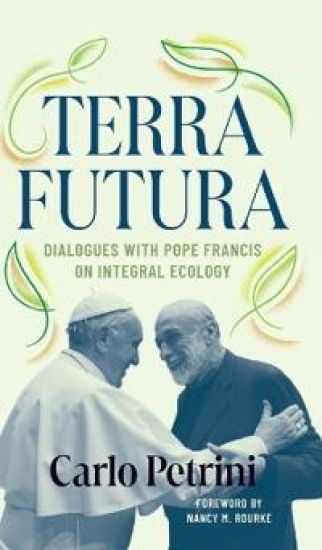
Original dialogues between Pope Francis and Carlo Petrini, the Slow Food movement's founder, on biodiversity, the economy, migration, education, and communityIn 2015, Pope Francis launched the idea of "integral ecology" with his encyclical Laudato Si', addressing Catholics, followers of other faiths, and nonbelievers alike. This groundbreaking reflection examined the serious environmental deterioration of our planet caused by scandalously unjust and irresponsible economic and political systems. Among the thought leaders who inspired Pope Francis was Carlo Petrini, founder of the Slow Food movement. This movement shares the global commitment to "cultivate and protect" human and earthly goods, proceeding with revolutionary pragmatism toward a life in harmony with oneself, with one's community, and with nature. Terrafutura features three original dialogues between Pope Francis and Petrini, exploring themes of biodiversity, the economy, migration, education, and community. Petrini's writings alternate with passages from papal documents, such as the intense "Apostolic Exhortation Querida Amazonia," the lively intervention "(Re)thinking Europe," and the affectionate exhortations to Laudato Si' communities, which suggest new ways of designing the economy and political systems and opening fraternal horizons to the comparison between lay and religious people and between the different cultures of the world. This book, which represents a radical step in developing the concept of integral ecology, will appeal to readers interested in links between climate change / sustainability and economic systems, as well as theologians, papal scholars, environmental activists, and nonprofits. By connecting contemporary discourse with religious texts, Terrafutura will inspire readers to embrace pacifist, collective activism and envision new models of coexistence in an environment that is "good, clean, and fair."
Terrafutura

Terrafutura

Carlo Petrini; Nancy M. Rourke

GEORGETOWN UNIVERSITY PRESS
2026
pokkari
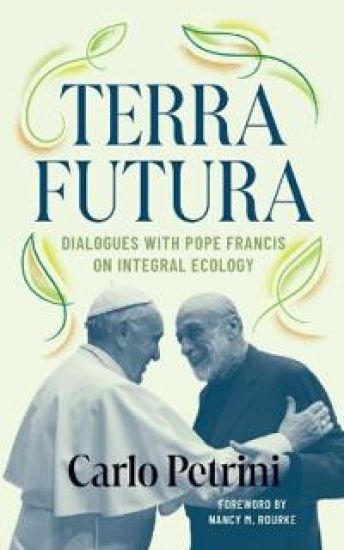
Original dialogues between Pope Francis and Carlo Petrini, the Slow Food movement's founder, on biodiversity, the economy, migration, education, and communityIn 2015, Pope Francis launched the idea of "integral ecology" with his encyclical Laudato Si', addressing Catholics, followers of other faiths, and nonbelievers alike. This groundbreaking reflection examined the serious environmental deterioration of our planet caused by scandalously unjust and irresponsible economic and political systems. Among the thought leaders who inspired Pope Francis was Carlo Petrini, founder of the Slow Food movement. This movement shares the global commitment to "cultivate and protect" human and earthly goods, proceeding with revolutionary pragmatism toward a life in harmony with oneself, with one's community, and with nature. Terrafutura features three original dialogues between Pope Francis and Petrini, exploring themes of biodiversity, the economy, migration, education, and community. Petrini's writings alternate with passages from papal documents, such as the intense "Apostolic Exhortation Querida Amazonia," the lively intervention "(Re)thinking Europe," and the affectionate exhortations to Laudato Si' communities, which suggest new ways of designing the economy and political systems and opening fraternal horizons to the comparison between lay and religious people and between the different cultures of the world. This book, which represents a radical step in developing the concept of integral ecology, will appeal to readers interested in links between climate change / sustainability and economic systems, as well as theologians, papal scholars, environmental activists, and nonprofits. By connecting contemporary discourse with religious texts, Terrafutura will inspire readers to embrace pacifist, collective activism and envision new models of coexistence in an environment that is "good, clean, and fair."
Ecological Moral Character

Ecological Moral Character

Nancy M. Rourke

GEORGETOWN UNIVERSITY PRESS
2024
sidottu
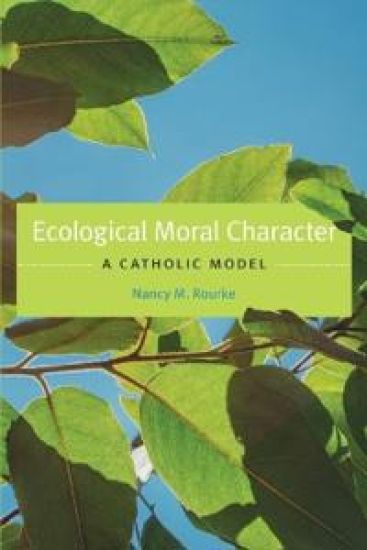
An ecological model through which we can imagine Aquinas' vision of moral character The images we use to think about moral character are powerful. They inform our understanding of the moral virtues and the ways in which moral character develops. However, this aspect of virtue ethics is rarely discussed. In Ecological Moral Character, Nancy M. Rourke creates an ecological model through which we can form images of moral character. She integrates concepts of ecology with Aquinas' vision and describes the dynamics of a moral character in terms of the processes and functions that take place in an ecosystem. The virtues, the passions, the will, and the intellect, are also described in terms of this model. Ecological Moral Character asks readers to choose deliberately the models we use to imagine moral character and offers this ecological virtue model as a vital framework for a period of environmental crisis.
Ecological Moral Character

Ecological Moral Character

Nancy M. Rourke

GEORGETOWN UNIVERSITY PRESS
2024
pokkari
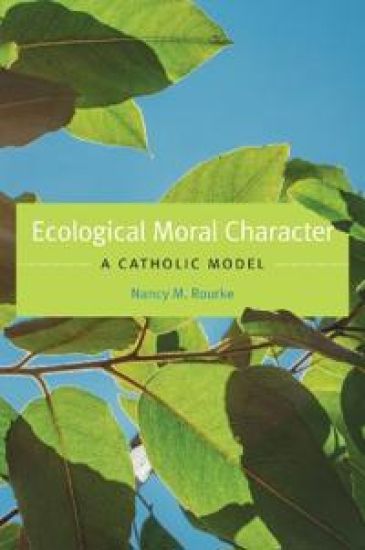
An ecological model through which we can imagine Aquinas' vision of moral character The images we use to think about moral character are powerful. They inform our understanding of the moral virtues and the ways in which moral character develops. However, this aspect of virtue ethics is rarely discussed. In Ecological Moral Character, Nancy M. Rourke creates an ecological model through which we can form images of moral character. She integrates concepts of ecology with Aquinas' vision and describes the dynamics of a moral character in terms of the processes and functions that take place in an ecosystem. The virtues, the passions, the will, and the intellect, are also described in terms of this model. Ecological Moral Character asks readers to choose deliberately the models we use to imagine moral character and offers this ecological virtue model as a vital framework for a period of environmental crisis.