Kirjojen hintavertailu – 12 859 829 kirjaa ja 27 kauppaa

Kirjailija

Naoko Taguchi

Kirjat ja teokset yhdessä paikassa: 7 kirjaa, julkaisuja vuosilta 2012–2018, suosituimpiin kuuluu Context, Individual Differences and Pragmatic Competence. Vertaile teosten hintoja ja tarkista saatavuus suomalaisista kirjakaupoista.

7 kirjaa

Kirjojen julkaisuvuodet: 2012–2018.

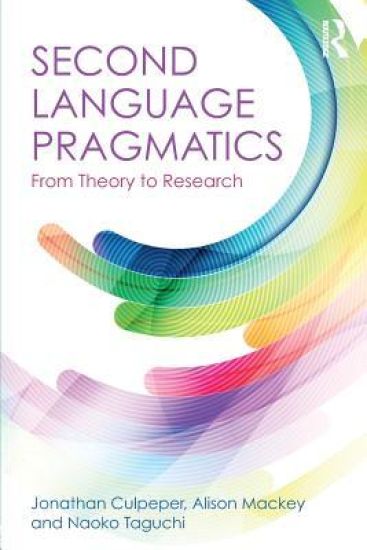
Second Language Pragmatics

Second Language Pragmatics

Jonathan Culpeper; Alison Mackey; Naoko Taguchi

Routledge
2018
nidottu
Second Language Pragmatics: From Theory to Research aims to reinvigorate this field, pointing the way forward to new methodologies that can drive, or be driven by, new theoretical developments. With a unique combination of leading international expertise in general pragmatics, L2 pragmatics, and research methodology, the authors describe in detail the methods, including the most recent techniques, by which pragmatics of all types can be pursued in L2 contexts. This volume argues that L2 pragmatics research needs to expand from its initial base by drawing from a wider range of sources, such as Corpus Linguistics and Psycholinguistics. Clear, accessible, and practical, Second Language Pragmatics will be valuable to novice and seasoned researchers alike in second language pragmatics, general pragmatics, and second language acquisition courses.
Second Language Pragmatics

Second Language Pragmatics

Jonathan Culpeper; Alison Mackey; Naoko Taguchi

Routledge
2018
sidottu
Second Language Pragmatics: From Theory to Research aims to reinvigorate this field, pointing the way forward to new methodologies that can drive, or be driven by, new theoretical developments. With a unique combination of leading international expertise in general pragmatics, L2 pragmatics, and research methodology, the authors describe in detail the methods, including the most recent techniques, by which pragmatics of all types can be pursued in L2 contexts. This volume argues that L2 pragmatics research needs to expand from its initial base by drawing from a wider range of sources, such as Corpus Linguistics and Psycholinguistics. Clear, accessible, and practical, Second Language Pragmatics will be valuable to novice and seasoned researchers alike in second language pragmatics, general pragmatics, and second language acquisition courses.

Second Language Pragmatics

Second Language Pragmatics

Naoko Taguchi; Carsten Roever

Oxford University Press
2017
nidottu
Taguchi and Roever present the latest developments in second language pragmatics research, combining acquisitional and sociolinguistic perspectives. They cover theories of pragmatics learning and research methods in investigating pragmatics, linking these with findings on the acquisition of second language pragmatics and with practice in teaching and assessing pragmatics. Discussing pragmatics in the context of multilingual societies and diverse contexts of use, they offer a broad perspective on this growing area.
Developing Interactional Competence in a Japanese Study Abroad Context
In the process of second language acquisition, the ability to interact effectively is critical. But what does it mean to be interactively competent? This book addresses this question by presenting research on the development of interactional competence among learners of Japanese as a second language. Qualitative data collected on learners studying abroad in Japan is evaluated to explain changes in their interactional competence and provides specific insights into the learning of Japanese. The situated analysis of multiple data sets generates meaningful interpretations of the development of interactional competence in the development of interactional competence and the learner-specific factors that shape developmental trajectories. Moreover, the context of the research provides insights into the types of learning resources and experiences that study abroad provides to assist learners’ in their progress towards becoming a competent speaker in the target community.
Context, Individual Differences and Pragmatic Competence
Pragmatic competence plays a key role in the era of globalization where communication across cultural boundaries is an everyday phenomenon. The ability to use language in a socially appropriate manner is critical, as lack of it may lead to cross-cultural miscommunication or cultural stereotyping. This book describes second language learners’ development of pragmatic competence. It proposes an original theoretical framework combining a pragmatics and psycholinguistics approach, and uses a variety of research instruments, both quantitative and qualitative, to describe pragmatic development over one year. Situated in a bilingual university in Japan, the study reveals patterns of change across different pragmatic abilities among Japanese learners of English. The book offers implications for SLA theories, the teaching and assessment of pragmatic competence, and intercultural communication.