Kirjojen hintavertailu – 12 903 735 kirjaa ja 27 kauppaa

Kirjailija

Narelle Lemon

Kirjat ja teokset yhdessä paikassa: 7 kirjaa, julkaisuja vuosilta 2014–2024, suosituimpiin kuuluu Representations of Working in Arts Education. Vertaile teosten hintoja ja tarkista saatavuus suomalaisista kirjakaupoista.

7 kirjaa

Kirjojen julkaisuvuodet: 2014–2024.

The ‘How’ of Self-Care for Teachers

The ‘How’ of Self-Care for Teachers

Narelle Lemon

TAYLOR FRANCIS LTD
2024
sidottu
Providing insights, ideas, strategies and compassion, this book offers a new way of looking at self-care for educators experiencing exhaustion and stress, or who may simply be feeling more tired than they should be. Drawing on personal experiences of burnout, as well as research in wellbeing literacy, self-care and positive psychology, Narelle Lemon presents a new framework for self-care. Designed especially for teachers of any discipline or sector, the framework is based on five key dimensions:self-compassion,mindful awareness,habits,time, andempowerment. Evidence-based and easy to follow, these dimensions scaffold the tools and strategies offered in the book, allowing the reader to create their own toolbox based on what resonates with them most. The book is designed to be flexible, so the reader is encouraged to follow the recommendations as closely as they wish, or to take inspiration for their own ideas, acknowledging that tools will change over time and across contexts. The practical tools in this book are further supported by reflective prompts, as well as opportunities for extension with tips for leaders, working groups and the education sector more broadly. Written by a teacher for teachers, this book gives you not only the tools but also the permission to look after yourself. It will show you that self-care is an act of self-love, self-compassion, and self-awareness, and that it is relational and you need to care for you in order to care for others.
The ‘How’ of Self-Care for Teachers

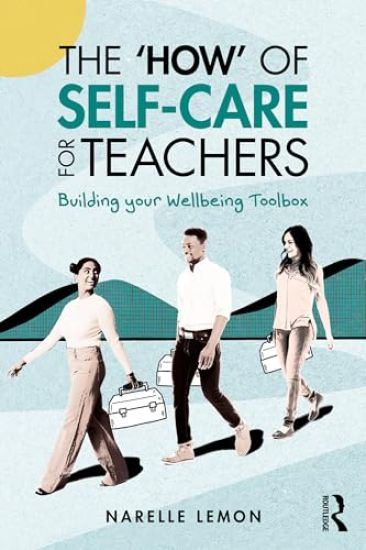
The ‘How’ of Self-Care for Teachers

Narelle Lemon

TAYLOR FRANCIS LTD
2024
nidottu
Providing insights, ideas, strategies and compassion, this book offers a new way of looking at self-care for educators experiencing exhaustion and stress, or who may simply be feeling more tired than they should be. Drawing on personal experiences of burnout, as well as research in wellbeing literacy, self-care and positive psychology, Narelle Lemon presents a new framework for self-care. Designed especially for teachers of any discipline or sector, the framework is based on five key dimensions:self-compassion,mindful awareness,habits,time, andempowerment. Evidence-based and easy to follow, these dimensions scaffold the tools and strategies offered in the book, allowing the reader to create their own toolbox based on what resonates with them most. The book is designed to be flexible, so the reader is encouraged to follow the recommendations as closely as they wish, or to take inspiration for their own ideas, acknowledging that tools will change over time and across contexts. The practical tools in this book are further supported by reflective prompts, as well as opportunities for extension with tips for leaders, working groups and the education sector more broadly. Written by a teacher for teachers, this book gives you not only the tools but also the permission to look after yourself. It will show you that self-care is an act of self-love, self-compassion, and self-awareness, and that it is relational and you need to care for you in order to care for others.
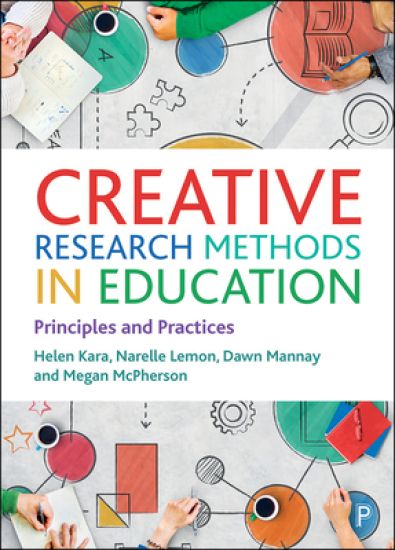
Creative Research Methods in Education

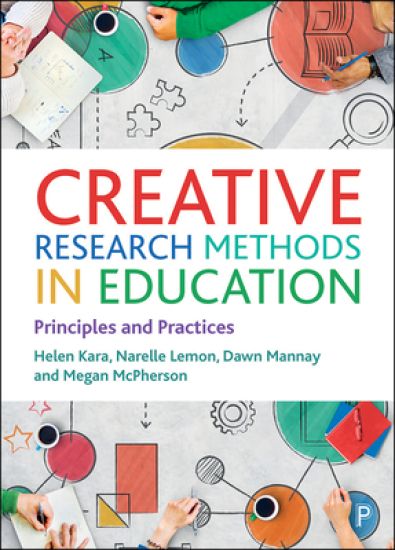
Creative Research Methods in Education

Helen Kara; Narelle Lemon; Dawn Mannay; Megan McPherson

Policy Press
2021
nidottu
Co-authored by an international team of experts across disciplines, this important book is one of the first to demonstrate the enormous benefit creative methods offer for education research. You do not have to be an artist to be creative, and the book encourages students, researchers and practitioners to discover and consider new ways to explore the field of education. It illustrates how using creative methods, such as poetic inquiry, comics, theatre and animation, can support learning and illuminate participation and engagement. Bridging academia and practice, the book offers: • practical advice and tips on how to use creative methods in education research; • numerous case studies from around the world providing real-life examples of creative research methods in education practice; • reflective discussion questions to support learning.
Creative Research Methods in Education

Creative Research Methods in Education

Helen Kara; Narelle Lemon; Dawn Mannay; Megan McPherson

Policy Press
2021
sidottu
Co-authored by an international team of experts across disciplines, this important book is one of the first to demonstrate the enormous benefit creative methods offer for education research. You do not have to be an artist to be creative, and the book encourages students, researchers and practitioners to discover and consider new ways to explore the field of education. It illustrates how using creative methods, such as poetic inquiry, comics, theatre and animation, can support learning and illuminate participation and engagement. Bridging academia and practice, the book offers: • practical advice and tips on how to use creative methods in education research; • numerous case studies from around the world providing real-life examples of creative research methods in education practice; • reflective discussion questions to support learning.
Reframing and Rethinking Collaboration in Higher Education and Beyond
Reframing and Rethinking Collaboration in Higher Education and Beyond delves deep into a Taxonomy of Collaboration underpinned by mindful choices – being present, aware, non-judgemental, curious and open – while also considering your and others’ strengths. In looking at how higher degree research students and early career researchers can approach collaboration, this book unpacks what collaboration is and points to the specific knowledge, skills, and abilities associated with achieving collaborative advantage. Covering a range of issues in a variety of contexts, this book: Helps you understand the meaning and value of working collaboratively. Prepares you for success in collaborative academic and postgraduate career activities. Invites you to use models, including the Taxonomy of Collaboration, to plan your collaborative projects. Explains options for different situations through realistic examples of commonly experienced collaborative issues or problems. Encourages you to think about collaboration from a strengths-based approach. Offers practical strategies for you can use to plan, organise and participate in collaborative activities, including ways to deal with problems and resolve conflicts. Full of practical tips, case studies, real life situations and lived experiences, this book offers strategies that can be used in online or hybrid collaborations and is ideal reading for anyone interested in finding out how to make collaborative practice work for them. The 'Insider Guides to Success in Academia' offers support and practical advice to doctoral students and early-career researchers. Covering the topics that really matter, but which often get overlooked, this indispensable series provides practical and realistic guidance to address many of the needs and challenges of trying to operate, and remain, in academia. These neat pocket guides fill specific and significant gaps in current literature. Each book offers insider perspectives on the often implicit rules of the game - the things you need to know but usually aren't told by institutional postgraduate support, researcher development units, or supervisors - and will address a practical topic that is key to career progression. They are essential reading for doctoral students, early-career researchers, supervisors, mentors, or anyone looking to launch or maintain their career in academia.
Reframing and Rethinking Collaboration in Higher Education and Beyond
Reframing and Rethinking Collaboration in Higher Education and Beyond delves deep into a Taxonomy of Collaboration underpinned by mindful choices – being present, aware, non-judgemental, curious and open – while also considering your and others’ strengths. In looking at how higher degree research students and early career researchers can approach collaboration, this book unpacks what collaboration is and points to the specific knowledge, skills, and abilities associated with achieving collaborative advantage. Covering a range of issues in a variety of contexts, this book: Helps you understand the meaning and value of working collaboratively. Prepares you for success in collaborative academic and postgraduate career activities. Invites you to use models, including the Taxonomy of Collaboration, to plan your collaborative projects. Explains options for different situations through realistic examples of commonly experienced collaborative issues or problems. Encourages you to think about collaboration from a strengths-based approach. Offers practical strategies for you can use to plan, organise and participate in collaborative activities, including ways to deal with problems and resolve conflicts. Full of practical tips, case studies, real life situations and lived experiences, this book offers strategies that can be used in online or hybrid collaborations and is ideal reading for anyone interested in finding out how to make collaborative practice work for them. The 'Insider Guides to Success in Academia' offers support and practical advice to doctoral students and early-career researchers. Covering the topics that really matter, but which often get overlooked, this indispensable series provides practical and realistic guidance to address many of the needs and challenges of trying to operate, and remain, in academia. These neat pocket guides fill specific and significant gaps in current literature. Each book offers insider perspectives on the often implicit rules of the game - the things you need to know but usually aren't told by institutional postgraduate support, researcher development units, or supervisors - and will address a practical topic that is key to career progression. They are essential reading for doctoral students, early-career researchers, supervisors, mentors, or anyone looking to launch or maintain their career in academia.
Representations of Working in Arts Education

Representations of Working in Arts Education

Narelle Lemon; Susanne Garvis; Christopher Klopper

Intellect Books
2014
sidottu
Arts education provides students with opportunities to build knowledge and skills in self-expression, imagination, creative and collaborative problem solving and creation of shared meanings. Engagement in arts education has also been said to positively affect overall academic achievement and development of empathy towards others. This book provides key insights from stakeholders across the teaching and learning spectrum and offers examples of pedagogical practice to those interested in facilitating arts education.