Kirjojen hintavertailu – 12 859 829 kirjaa ja 27 kauppaa

Kirjailija

Narinder Kapur

Kirjat ja teokset yhdessä paikassa: 4 kirjaa, julkaisuja vuosilta 1994–2024, suosituimpiin kuuluu Memory Disorders in Clinical Practice. Vertaile teosten hintoja ja tarkista saatavuus suomalaisista kirjakaupoista.

4 kirjaa

Kirjojen julkaisuvuodet: 1994–2024.

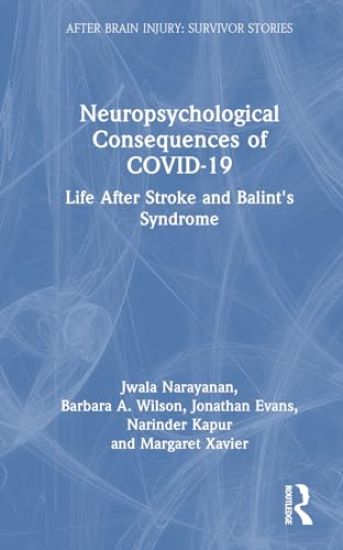
Neuropsychological Consequences of COVID-19

Neuropsychological Consequences of COVID-19

Jwala Narayanan; Anjana Xavier; Jonathan Evans; Narinder Kapur; Barbara Wilson

TAYLOR FRANCIS LTD
2024
sidottu
Neuropsychological Consequences of COVID-19 focuses on Anjana’s journey as a COVID survivor following a brain injury that left her with a very rare neuropsychological syndrome called Balint’s syndrome, a disorder associated with difficulties in visual and spatial coordination. It is also the first book of its kind to provide a first-hand account from India on surviving brain injury, from diagnosis, recovery and rehabilitation, providing the therapeutic milieu in the Indian context and exploring cultural influences on rehabilitation. Written jointly by Anjana, her neuropsychologist and the international experts in the field of neuropsychology who were also involved in her diagnosis and care, the book highlights how COVID-19, a virus primarily affecting the respiratory system, can also result in a disabling brain injury. It describes Anjana’s recovery and the rehabilitation she received and provides a deeper understanding of this experience of a very rare condition through the views of Anjana herself. In addition, Anjana’s rehabilitation journey stumbles upon many important themes of rehabilitation including cultural sensitivity, personal identity, resilience, role of family and rehabilitation in a low to middle income country. This book is valuable reading for clinical and neuropsychologists, neurologists, other rehabilitation therapists including physiotherapists, occupational therapists, nurses and social work professionals, particularly those interested in cross cultural rehabilitation. It will also be of interest to students in these fields.
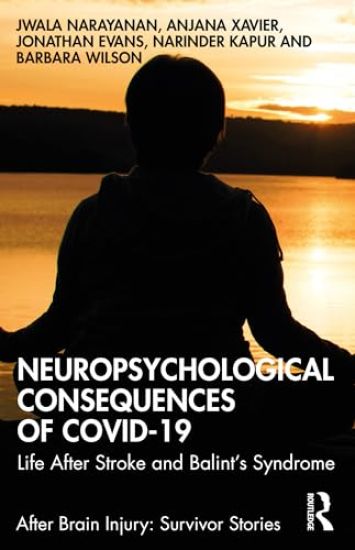
Neuropsychological Consequences of COVID-19

Neuropsychological Consequences of COVID-19

Jwala Narayanan; Anjana Xavier; Jonathan Evans; Narinder Kapur; Barbara Wilson

TAYLOR FRANCIS LTD
2024
nidottu
Neuropsychological Consequences of COVID-19 focuses on Anjana’s journey as a COVID survivor following a brain injury that left her with a very rare neuropsychological syndrome called Balint’s syndrome, a disorder associated with difficulties in visual and spatial coordination. It is also the first book of its kind to provide a first-hand account from India on surviving brain injury, from diagnosis, recovery and rehabilitation, providing the therapeutic milieu in the Indian context and exploring cultural influences on rehabilitation. Written jointly by Anjana, her neuropsychologist and the international experts in the field of neuropsychology who were also involved in her diagnosis and care, the book highlights how COVID-19, a virus primarily affecting the respiratory system, can also result in a disabling brain injury. It describes Anjana’s recovery and the rehabilitation she received and provides a deeper understanding of this experience of a very rare condition through the views of Anjana herself. In addition, Anjana’s rehabilitation journey stumbles upon many important themes of rehabilitation including cultural sensitivity, personal identity, resilience, role of family and rehabilitation in a low to middle income country. This book is valuable reading for clinical and neuropsychologists, neurologists, other rehabilitation therapists including physiotherapists, occupational therapists, nurses and social work professionals, particularly those interested in cross cultural rehabilitation. It will also be of interest to students in these fields.
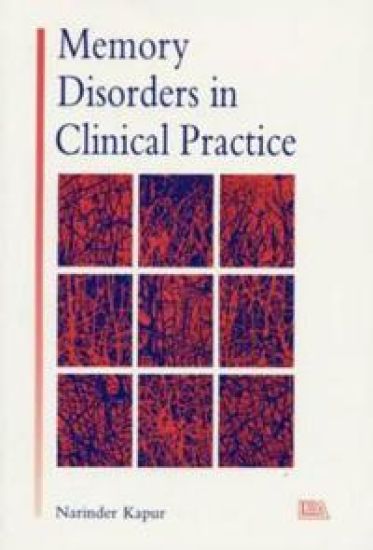
Memory Disorders in Clinical Practice

Memory Disorders in Clinical Practice

Narinder Kapur

Psychology Press Ltd
2017
sidottu
This book has been specially designed to give practical help to those who have to deal with diagnosis and subsequent management of patients with memory dicturbance resulting from specific types of cerebral pathology. The author achieves this by organising his book on the basis of clinical aetiology. While anatomical and psychological perspectives are introduced, the emphasis is on approaches which will help clinicians in the management of patients with specific neurological diseases. For example, the essential topic of differential diagnosis is given prominence throughout: the principles of diagnositc assessment are discussed in a separate chapter, and specific diagnostic features are outlined in each of the chapters dealing with individual cerebral pathologies. The author draws on his own extensive experience as a practising clinical neuropsychologist to describe and evaluate the range of existing memory test procedures, and suggest additional procedures as appropriate. Full references are also given for those wishing to develop their own assessment of therapeutic procedures. Mainly intended for practising neurologists and clinical neuropsychologists, anyone whose work brings them into contact with patients suffering from memory disturbance will find this book invaluable.
Memory Disorders in Clinical Practice

Memory Disorders in Clinical Practice

Narinder Kapur

Psychology Press Ltd
1994
nidottu
This book has been specially designed to give practical help to those who have to deal with diagnosis and subsequent management of patients with memory dicturbance resulting from specific types of cerebral pathology. The author achieves this by organising his book on the basis of clinical aetiology. While anatomical and psychological perspectives are introduced, the emphasis is on approaches which will help clinicians in the management of patients with specific neurological diseases. For example, the essential topic of differential diagnosis is given prominence throughout: the principles of diagnositc assessment are discussed in a separate chapter, and specific diagnostic features are outlined in each of the chapters dealing with individual cerebral pathologies. The author draws on his own extensive experience as a practising clinical neuropsychologist to describe and evaluate the range of existing memory test procedures, and suggest additional procedures as appropriate. Full references are also given for those wishing to develop their own assessment of therapeutic procedures. Mainly intended for practising neurologists and clinical neuropsychologists, anyone whose work brings them into contact with patients suffering from memory disturbance will find this book invaluable.