Kirjailija
Nawal el Saadawi
Kirjat ja teokset yhdessä paikassa: 33 kirjaa, julkaisuja vuosilta 1989–2026, suosituimpiin kuuluu Kärlek x 21 : afrikanska noveller. Vertaile teosten hintoja ja tarkista saatavuus suomalaisista kirjakaupoista.
Nimi esiintyy myös muodoissa: Nawal El-Saadawi
33 kirjaa
Kirjojen julkaisuvuodet: 1989–2026.
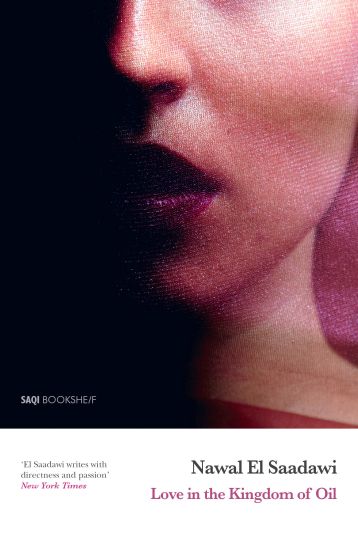
A woman disappears without trace. Nobody, including the police commissioner investigating the case, can understand how a woman could simply walk away, leaving husband and home behind. After all, in the Kingdom of Oil where His Majesty reigns supreme, no woman has ever dared disobey the command of men. When the woman finally reappears, there is a blurring between the men in her life, as she leaves one to join another, then returns to her first husband who has since taken a new wife. She is trapped in a man-made web, unable to escape from a male figure who continually fills urns that she must carry. Surreal and satirical, Love in the Kingdom of Oil is a startling reflection on the limits of female freedom in a patriarchal society.
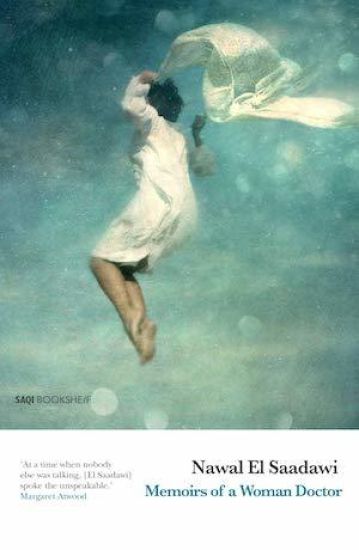
A young Egyptian woman clashes with her traditional family when she chooses a career in medicine. Rather than submit to an arranged marriage and motherhood, she cuts her hair short and works fiercely to realise her dreams. At medical school, she begins to understand the mysteries of the human body. After years of denying her own desires, the doctor begins a series of love affairs that allow her to explore her sexuality - on her own terms.
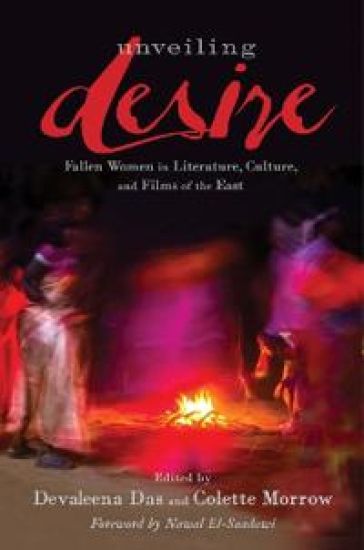
In Unveiling Desire, Devaleena Das and Colette Morrow show that the duality of the fallen/saved woman is as prevalent in Eastern culture as it is in the West, specifically in literature and films. Using examples from the Middle to Far East, including Iran, India, Pakistan, Bangladesh, Thailand, Japan, and China, this anthology challenges the fascination with Eastern women as passive, abject, or sexually exotic, but also resists the temptation to then focus on the veil, geisha, sati, or Muslim women’s oppression without exploring Eastern women’s sexuality beyond these contexts. The chapters cover instead mind/body sexual politics, patriarchal cultural constructs, the anatomy of sex and power in relation to myth and culture, denigration of female anatomy, and gender performativity. From Persepolis to Bollywood, and from fairy tales to crime fiction, the contributors to Unveiling Desire show how the struggle for women’s liberation is truly global.
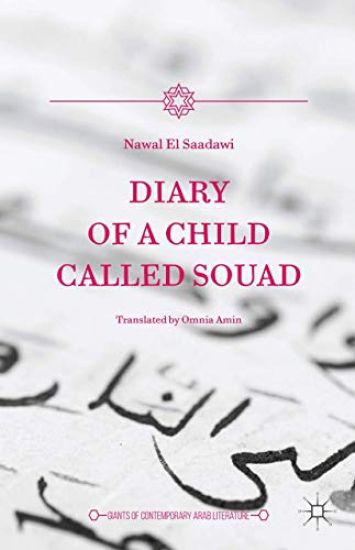
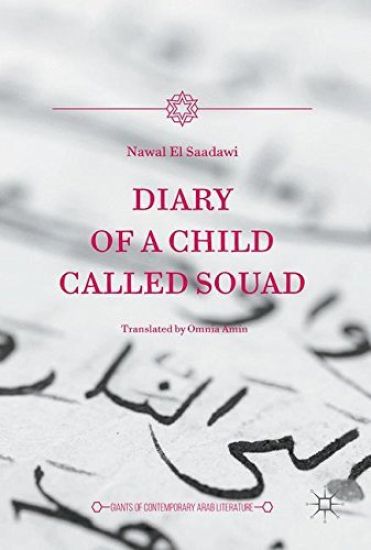
Diary of a Child Called Souad is Nawal El Saadawi's first autobiography, written at the age of ten in the form of fiction as she explores her early awakening to the world around her. Now known for her bold spirit and probing mind, El Saadawi in this novel uncovers through a child's eyes the hypocritical values and traditions carried on by family, education, religion, and society. With amazing courage she weaves a tale of the fear, guilt, and repressive compliance forced upon her as a woman and upon her generation as the price to be paid for leading a civilized existence. Struggling to come to terms with taboos concerning her maturing body, the young Nawal's writing reveals the makings of a revolutionary spirit and relentlessly analytical mind. A must read for devotees of El Saadawi's writing to witness an early record of the maturing of her thoughts and the shaping of her ideas.
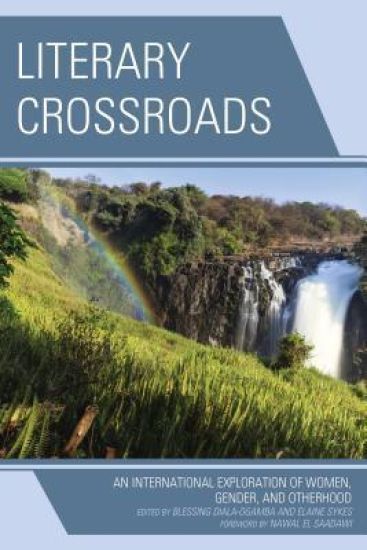
This book explores the different ways women have been liberating themselves from the shackles of patriarchy and cultural laws that inhibit their independence and freedom to show that women are also contributing meaningfully to society. Women have worked to attain freedom through speaking out, writing memoirs, fiction, plays, poetry, and essays. The creative experiences of women are captured in this book, thus fulfilling the book's aim to give women voices to air their views and show that they are effectual members of society. The book examines the roles played by patriarchy, religion, and socioeconomic and political systems that keep women to the background. It also examines the issue of education, otherhood, marginalization, cultural imposition, and the diverse positions of women in local and international affairs. The book testifies that women's literature, and the stories of women all over the world, can be appreciated and viewed from different perspectives because of the diverse cultural environment in which women find themselves. This confirms that the issue of marginalization, suppression, and oppression of women are on-going problems in different societies around the world.
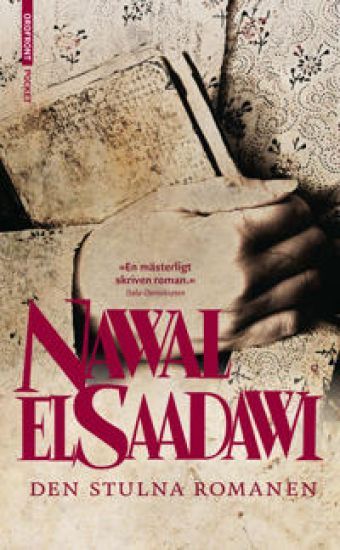
Årets Stig Dagerman-pristagare! I Kairos fina kvarter lever Bodour ett stympat liv. Hennes make bedrar henne, själv arbetar hon med litteraturkritik i en korrupt omgivning. Och hur kunde hon som ung överge sin nyfödda dotter Zina? Bodour är full av förakt över sitt meningslösa men privilegierade liv. Dottern Magiida är en besvikelse. Bodours enda flyktväg är romanen hon skriver på. Men pappersarken tycks försvinna ur den låsta skrivbordslådan är det hennes man som stjäl delar av romanen för att tysta henne? Zina har trots sin uppväxt somgatubarn blivit en av Egyptens klarast lysande stjärnor, en sångerska som folket avgudar. Väninnan Magiida både fascineras och avundas henne, utan att ana att de är systrar. Men Magiida är inte den enda sommissunnar Zina hennes framgång statens heliga män kan inte tolerera all uppmärksamhet som riktas mot henne, en enkel flicka som revolterar mot patriarkatet, bär sin mors namn utan att skämmas och går genom livet med högburet huvud. Den stulna romanen gavs ut medan HosniMubarak ännu var president i Egypten. Den avslöjar unkenheten och förljugenheten i en diktatur, men visar också på styrkan hos de förtryckta. Nawal El Saadawi har blivit något av en galjonsfigur för kvinnorörelsen i arabvärlden och har också suttit fängslad på grund av sitt författarskap. Tidigare utkomna på svenska: Röst ur djupet, Och tiden står stilla vid Nilen, Imamens fall, Törstoch Livets källa.» El Saadawi har ibland nämnts somen Nobelpriskandidat. Jag tycker det vore ett utmärkt val, hennes texter har en mäktig episk styrka. ... Den stulna romanen förstärker Nawal El Saadawis position som en av den arabiska världens viktigaste författare.« Stefan Eklund, SvD
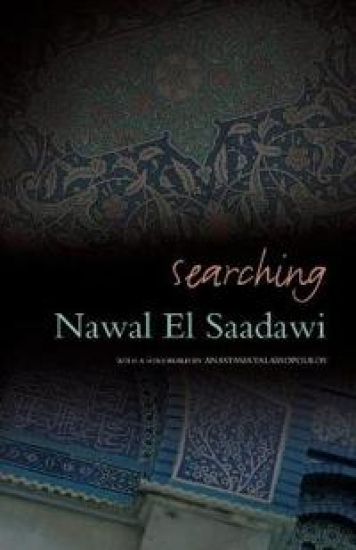
Fouada meets Farid, her lover, every Tuesday in a restaurant overlooking the Nile. But this week their usual table is deserted. She calls his home, but the shrilling of the telephone echoes in an empty room. Farid has disappeared. As she searches for him, Fouada becomes tormented by questions. She is a trained research chemist, but works in a dead-end ministry job. Convinced that she has something to give to the world, she cannot find it. What is it? Why does she search? 'Searching' expresses the poignancy of loss and doubt with the hypnotic intensity of a remembered dream.
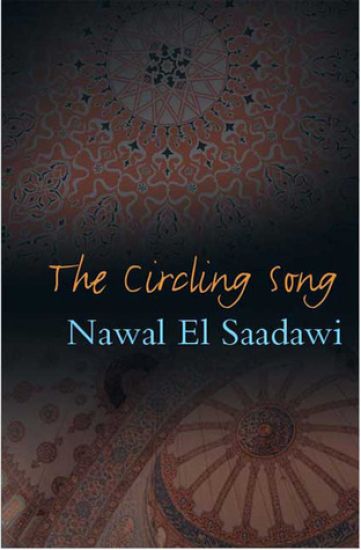
Hamida and Hamido are twins, grown from a single embryo inside one womb. Violently parted, they search the city in the darkening circles of a dream, only to find, lose and find each other, each time as if it were the first. Their journey - terrifying and exact - leads to an unbroken cycle of corruption and brutality,
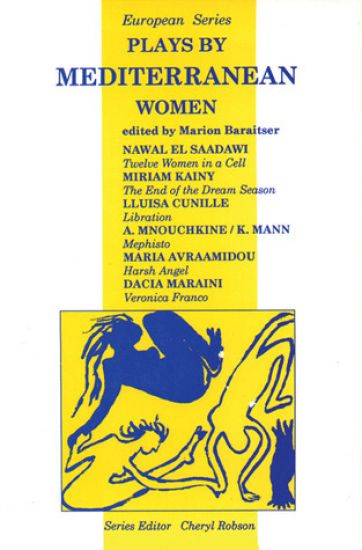
Plays by Mediterranean Women
Nawal El Saadawi; Miriam Kainy; Lluisa Cunille; Ariane Mnouchkine; Maria Avraamidou; Dacia Maraini
Aurora Metro Books
1994
nidottu
The Plays Libration by Lluisa Cunill (Spain): A mysterious, intense and comic two-hander about two women who meet in a city park at night. The End Of The Dream Season by Miriam Kainy (Israel): A woman doctor outwits her friends and relations to retain her inheritance. Harsh Angel by Maria Avraamidou (Cyprus): A gentle Chekhovian tale of a family torn by the partition of their native land. Mephisto adapted from the novel by Klaus Mann/ Ariane Mnouchkine (France/Germany): The story of a German actor who sells his soul to Nazi ideology. Also a feature film.
Herra ex-ministerin kuolema ja muita novelleja
Nawal El Saadawi
LIKE
1990
Pehmeäkantinen
Halvin toimitettuna 19,90 €
"Huomasin huutavani hänelle vasten kasvoja epätavallisen kovalla äänellä: ’Kuinka sinä kehtaat? Kuka luulet olevasi? Etkö tiedä, että olitpa kuka tahansa, olet pelkkä alempi virkailija ja minä olen ministeri ja kapuatpa miten korkealle tahansa virkaportaissa, olet lopultakin vain nainen, ja naisen paikka on vuoteessa miehen alla?’" Tämän kokoelman eri vuosina kirjoitetuissa novelleissa peilautuu arvovallan hauraus sekä vihan, pelon ja rakkauden olemus. Nawal El Saadawi on taitava ja suoraviivainen kertoja, joka säälimättä riisuu tekopyhyyden naamiot ja paljastaa miehen ja naisen olemuksen.