Kirjojen hintavertailu – 12 903 725 kirjaa ja 27 kauppaa

Kirjailija

Nazila Ghanea

Kirjat ja teokset yhdessä paikassa: 5 kirjaa, julkaisuja vuosilta 2013–2017, suosituimpiin kuuluu Women and Religious Freedom: Synergies and Opportunities: Synergies and Opportunities. Vertaile teosten hintoja ja tarkista saatavuus suomalaisista kirjakaupoista.

5 kirjaa

Kirjojen julkaisuvuodet: 2013–2017.

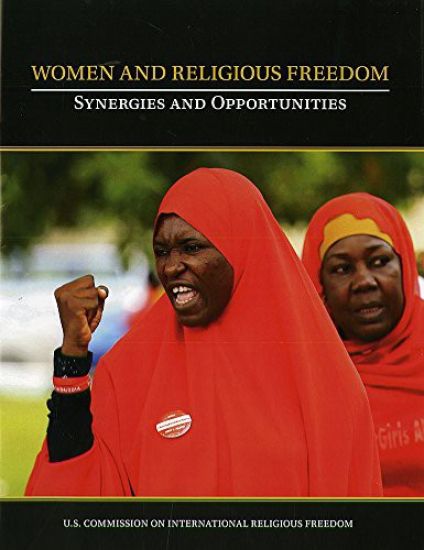
Women and Religious Freedom: Synergies and Opportunities: Synergies and Opportunities

Women and Religious Freedom: Synergies and Opportunities: Synergies and Opportunities

Nazila Ghanea; U S Commission on International Religiou

U.S. Independent Agencies and Commissions
2017
nidottu
Despite the normative integration between freedom of religion or belief (FORB) and women's equality, these synergies are difficult to discern and there is a common misperception that women's rights to equality and FORB are clashing rights. This is compounded by the extensive religiously phrased reservations by states upon ratification of international treaties that amplify this misperception that FORB serves to restrict women's rights to equality. The purpose of this publication is to seek to identify synergies as well as complexities between FORB and the right to women's equality through the analysis of various international human rights law documents impacting this topic. Discover more products here: Human Rights collection Religion & Faith-based Issues Women collection Minorities, Cultures & Languages collection
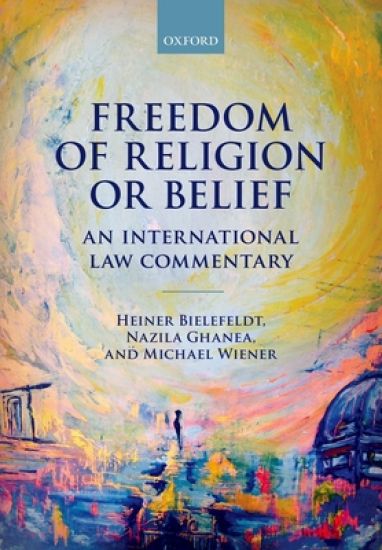
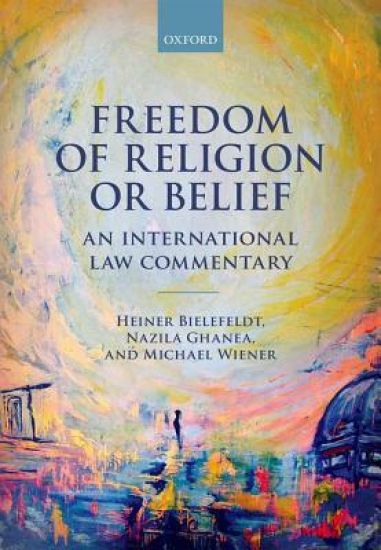
Freedom of Religion or Belief

Freedom of Religion or Belief

Heiner Bielefeldt; Nazila Ghanea; Michael Wiener

Oxford University Press
2017
nidottu
Violations of religious freedom and violence committed in the name of religion grab our attention on a daily basis. Freedom of religion or belief is a key human right: the International Covenant on Civil and Political Rights, numerous conventions, declarations and soft law standards include specific provisions on freedom of religion or belief. The 1981 Declaration on the Elimination of All Forms of Intolerance and of Discrimination Based on Religion or Belief has been interpreted since 1986 by the mandate of the UN Special Rapporteur on freedom of religion or belief. Special Rapporteurs (for example those on racism, freedom of expression, minority issues and cultural rights) and Treaty Bodies (for example the Human Rights Committee, the Committee on the Elimination of Racial Discrimination and the Committee on the Rights of the Child) have also elaborated on freedom of religion or belief in the context of their respective mandates. Freedom of Religion or Belief: An International Law Commentary is the first commentary to look comprehensively at the international provisions for the protection of freedom of religion or belief, considering how they are interpreted by various United Nations Special Procedures and Treaty Bodies. Structured around the thematic categories of the United Nations Special Rapporteur's framework for communications, the commentary analyses, for example, the limitations on the wearing of religious symbols and vulnerable situations, including those of women, detainees, refugees, children, minorities and migrants, through a combination of scholarly expertise and practical experience.
Freedom of Religion or Belief

Freedom of Religion or Belief

Heiner Bielefeldt; Nazila Ghanea; Michael Wiener

Oxford University Press
2016
sidottu
Violations of religious freedom and violence committed in the name of religion grab our attention on a daily basis. Freedom of religion or belief is a key human right: the International Covenant on Civil and Political Rights, numerous conventions, declarations and soft law standards include specific provisions on freedom of religion or belief. The 1981 Declaration on the Elimination of All Forms of Intolerance and of Discrimination Based on Religion or Belief has been interpreted since 1986 by the mandate of the UN Special Rapporteur on freedom of religion or belief. Special Rapporteurs (for example those on racism, freedom of expression, minority issues and cultural rights) and Treaty Bodies (for example the Human Rights Committee, the Committee on the Elimination of Racial Discrimination and the Committee on the Rights of the Child) have also elaborated on freedom of religion or belief in the context of their respective mandates. Freedom of Religion or Belief: An International Law Commentary is the first commentary to look comprehensively at the international provisions for the protection of freedom of religion or belief, considering how they are interpreted by various United Nations Special Procedures and Treaty Bodies. Structured around the thematic categories of the United Nations Special Rapporteur's framework for communications, the commentary analyses, for example, the limitations on the wearing of religious symbols and vulnerable situations, including those of women, detainees, refugees, children, minorities and migrants, through a combination of scholarly expertise and practical experience.
Religion or Belief, Discrimination and Equality

Religion or Belief, Discrimination and Equality

Paul Weller; Kingsley Purdam; Nazila Ghanea; Sariya Cheruvallil-Contractor

Bloomsbury Academic
2015
nidottu
In recent years, controversial issues related to religion or belief, discrimination, equality and human rights have come to the fore, especially in the context of public debates around multiculturalism following the ‘social policy shock’ created by the impact of violent religious extremism. For example should there be restrictions on what people can wear in the work place based on their religious identity? Should religious organizations be exempt from aspects of equalities legislation which are not in line with their beliefs and values? How should non-religious identities be recognized? In the context of increasing cultural and religion or belief diversity, it is vitally important for the future to understand the nature and extent of discrimination and unfair treatment on the grounds of religion or belief, and to assess the adequacy of policies, practices and laws designed to tackle this. This includes the overlap of religion or belief identities with other aspects of people’s identity including characteristics such as age, disability, race, sex and sexual orientation which can also be legally protected. This volume is a benchmark publication on religion, discrimination and equality. It includes data and insights derived from the fieldwork, focus groups and questionnaire survey of a recent national research project in Britain. Its analysis presents a unique insight into continuity and change in people’s reported experience over a decade of equalities legislation and political and social change of unfair treatment on the basis of religion or belief. Grounded in empirical and contextualized data, its findings are placed in the context of European and international human rights law. Its findings will be of special interest to both scholars and practitioners working in the specific fields of education, employment, the media, criminal justice and immigration, housing, health care, social services, and funding, as well as in the broader fields of religion or belief, the law and public policy.
Religion or Belief, Discrimination and Equality

Religion or Belief, Discrimination and Equality

Paul Weller; Kingsley Purdam; Nazila Ghanea; Sariya Cheruvallil-Contractor

Bloomsbury Academic USA
2013
sidottu
In recent years, controversial issues related to religion or belief, discrimination, equality and human rights have come to the fore, especially in the context of public debates around multiculturalism following the ‘social policy shock’ created by the impact of violent religious extremism. For example should there be restrictions on what people can wear in the work place based on their religious identity? Should religious organizations be exempt from aspects of equalities legislation which are not in line with their beliefs and values? How should non-religious identities be recognized? In the context of increasing cultural and religion or belief diversity, it is vitally important for the future to understand the nature and extent of discrimination and unfair treatment on the grounds of religion or belief, and to assess the adequacy of policies, practices and laws designed to tackle this. This includes the overlap of religion or belief identities with other aspects of people’s identity including characteristics such as age, disability, race, sex and sexual orientation which can also be legally protected. This volume is a benchmark publication on religion, discrimination and equality. It includes data and insights derived from the fieldwork, focus groups and questionnaire survey of a recent national research project in Britain. Its analysis presents a unique insight into continuity and change in people’s reported experience over a decade of equalities legislation and political and social change of unfair treatment on the basis of religion or belief. Grounded in empirical and contextualized data, its findings are placed in the context of European and international human rights law. Its findings will be of special interest to both scholars and practitioners working in the specific fields of education, employment, the media, criminal justice and immigration, housing, health care, social services, and funding, as well as in the broader fields of religion or belief, the law and public policy.