Kirjojen hintavertailu – 12 859 819 kirjaa ja 27 kauppaa
Kirjailija
Neena Khanna
Kirjat ja teokset yhdessä paikassa: 6 kirjaa, julkaisuja vuosilta 2011–2024, suosituimpiin kuuluu Illustrated Synopsis of Dermatology & Sexually Transmitted Diseases. Vertaile teosten hintoja ja tarkista saatavuus suomalaisista kirjakaupoista.
It is a simplified, brief description of common dermatoses, peppered with numerous clinical and histopathology images (about 750), body and line diagrams (about 100) and tables (about 100). The basic aim of the book is to familiarize medical students (and general practitioners) with manifestations of the common skin conditions they are likely to encounter in their day-to-day practice and to help them to manage these appropriately, without succumbing to the morbid temptation of prescribing steroids, which are often thought to be 'panacea of all skin ills'. . Revised and updated, while retaining the main features of the book. . More images: since Dermatology is a visual speciality, some text has been pruned to accommodate about 100 new pictures. . Appendix on structure and function of skin. . New treatment modalities including 'biologicals' have been included in the chapter "Treatment of Skin Diseases?. . Recent WHO/CDC/NACO guidelines have been incorporated in the chapter "Sexually Transmitted Infections and HIV Infection?.
Bhutani’s Color Atlas of Dermatology is a concise atlas which covers various dermatological ailments. This fully revised sixth edition is comprised of 25 chapters, which highlight the treatment modalities available and the newer advances in the field of dermatology, as well as traditional knowledge. A separate chapter on rare dermatological diseases is included, covering topics on reactive disorders, genodermatoses, pseudoepitheliomatous keratotic and micaceous balanitis of civatte, and papulonecrotic tuberculide of the glans, to help improve diagnosis. Other topics include pyodermas, fungal and viral infections, leprosy, disorders due to physical agents, sexually transmitted diseases (STDs), HIV Infection and AIDS, and diseases caused by arthropods and parasites, with detailed diagnosis and treatment for each topic. Bhutani’s Color Atlas of Dermatology also provides an overview of energy-based technology and the fundamentals of lasers surgery as a first-line treatment for several congenital and acquired dermatological conditions. It features discussion on various lasers, indications for use in dermatology, and their side effects and complications. This book is a comprehensive, highly illustrated and clinically relevant book for dermatologist interns and practising dermatologists. Key Points Sixth edition; fully revised and updatedCovers new advances in the field of dermatologyOver 550 full colour images and illustrations
This book is the first volume in the World Clinics: Dermatology series. It provides dermatologists with the most recent developments in the treatment of acne and associated disorders. Beginning with an introduction to the pathogenesis of acne and the role of microbiology, the following chapters discuss associated aspects including the role of nutrition, acne and PCOS, adult acne, and acne co-morbidities. The following sections discuss different treatments for acne including light and laser therapy, and a complete chapter is dedicated to the management of acne scars. With contributions from internationally recognised experts from through Europe and the USA, this useful guide includes more than seventy clinical photographs and tables, as well as extensive references in each chapter. Key points Provides dermatologists with most recent developments in diagnosis and treatment of acneCovers numerous associated conditionsChapter dedicated to management of acne scarsInternational author team from Europe, the USA and Asia
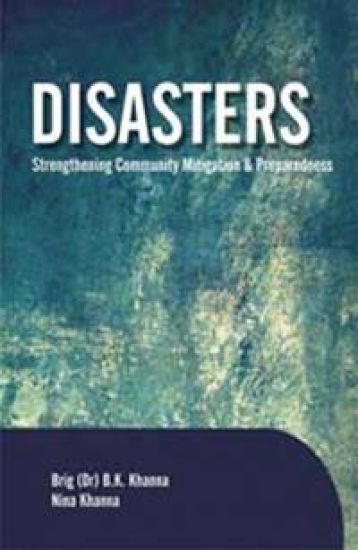
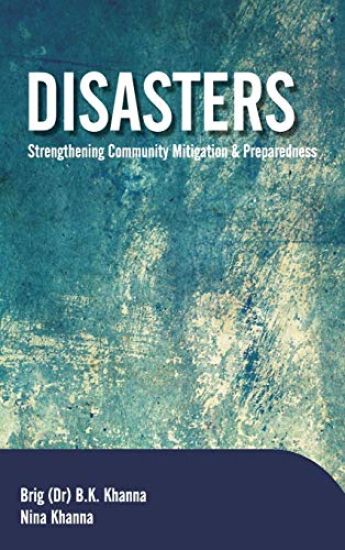
The book covers all aspects of implementing the initiative to cultivate a culture of preparedness within the community, as they are the first responders in the event of a disaster. The book provides comprehensive information on what, how, when, and by whom various actions should be taken before, during, and after a disaster occurs. The books key features include: 1. A broad range of disasters, from earthquakes to terrorist attacks, nuclear disasters to urban floods, are illustrated. 2. Case studies supporting each type of disaster. 3. Fully illustrated with numerous diagrams, flowcharts, and color photographs. 4. Specific requirements for rehabilitation and casualty management in different situations and regions. 5. Guidelines for setting up and executing disaster management plans tailored to specific requirements. 6. Conducting mock exercises on various types of potential disasters covered in the book. This book would be beneficial for first responders, district administration, and state authorities (including district, tehsil, taluk, and sub-division level functionaries, state DM planners, NGOs), schools and educational institutions, the National Disaster Response Force, Para Military Forces, and Armed Forces. Please note that no changes can be made to the citation, reference, or in-line citations in the text, and numbers cannot be modified.
The book provides a comprehensive guide to implementing the initiative of fostering a culture of preparedness within communities, as they are often the first responders in the event of a disaster. The book covers the what, how, when, and by whom of disaster preparedness, including pre-, during, and post-disaster actions. The books key features include: 1. A thorough examination of all types of disasters, ranging from earthquakes to terrorist attacks, nuclear disasters to urban floods. 2. Supporting case studies for each disaster type. 3. A wealth of diagrams, flow charts, and color photographs to illustrate key points. 4. Region- and situation-specific requirements for rehabilitation and casualty management. 5. Guidance on setting up and executing disaster management plans tailored to specific requirements. 6. Detailed instructions for conducting mock disaster drills to prepare for various potential emergencies. This book is an invaluable resource for first responders, district administration and state authorities (including district/tehsil/taluk/sub-division level functionaries, DM planners in the state, NGOs), schools and educational institutions, the National Disaster Response Force, Para Military Forces, and Armed Forces.