
Kirjojen hintavertailu – 12 903 725 kirjaa ja 27 kauppaa

Kirjailija

Neil Kellard

Kirjat ja teokset yhdessä paikassa: 2 kirjaa, julkaisuja vuosilta 2021–2023, suosituimpiin kuuluu The Research Impact Agenda. Vertaile teosten hintoja ja tarkista saatavuus suomalaisista kirjakaupoista.

2 kirjaa

Kirjojen julkaisuvuodet: 2021–2023.

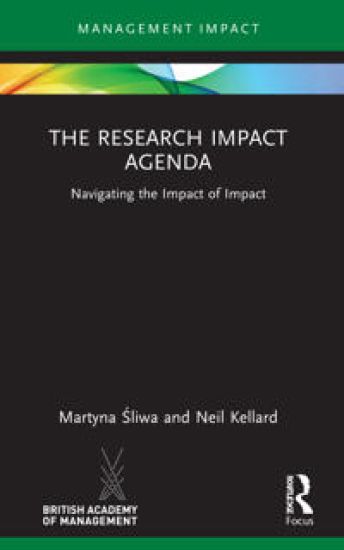
The Research Impact Agenda

The Research Impact Agenda

Martyna Sliwa; Neil Kellard

TAYLOR FRANCIS LTD
2023
nidottu
This book contributes to the growing body of work addressing the processes and consequences of national governments’ audits of the performance of higher education institutions (HEIs) in different countries. The book discusses one recent area of focus within these audits, namely the measurement of universities’ societal and economic impact. The Research Impact Agenda offers a problematisation of the research impact agenda, especially in relation to the impact generated by academics based in schools of business and management. It scrutinises the often unintended but nevertheless significant consequences of this agenda for individuals and higher education institutions, such as the reproduction of existing inequalities in academia and the crowding out of other key activities of business schools. It puts forward a range of recommendations for researchers, policymakers, university and business school leaders, and individual academics. The book will be of interest to a wide range of readers – regardless of their formal position, organisational affiliation or career stage – who consider it important to reduce and remove inequalities and inequities within the HE sector and to make universities and business schools more inclusive. The readers will benefit from the opportunity to engage in reflection aimed at transforming the current framing, delivery and assessment of business and management research impact.
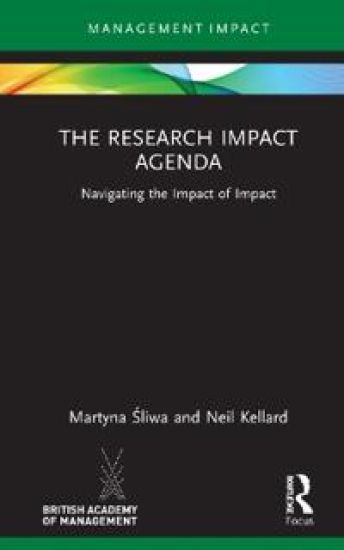
The Research Impact Agenda

The Research Impact Agenda

Martyna Sliwa; Neil Kellard

TAYLOR FRANCIS LTD
2021
sidottu
This book contributes to the growing body of work addressing the processes and consequences of national governments’ audits of the performance of higher education institutions (HEIs) in different countries. The book discusses one recent area of focus within these audits, namely the measurement of universities’ societal and economic impact. The Research Impact Agenda offers a problematisation of the research impact agenda, especially in relation to the impact generated by academics based in schools of business and management. It scrutinises the often unintended but nevertheless significant consequences of this agenda for individuals and higher education institutions, such as the reproduction of existing inequalities in academia and the crowding out of other key activities of business schools. It puts forward a range of recommendations for researchers, policymakers, university and business school leaders, and individual academics. The book will be of interest to a wide range of readers – regardless of their formal position, organisational affiliation or career stage – who consider it important to reduce and remove inequalities and inequities within the HE sector and to make universities and business schools more inclusive. The readers will benefit from the opportunity to engage in reflection aimed at transforming the current framing, delivery and assessment of business and management research impact.