Kirjailija
Neil R Storey
Kirjat ja teokset yhdessä paikassa: 71 kirjaa, julkaisuja vuosilta 1980–2026, suosituimpiin kuuluu Murder of the Sweethearts. Vertaile teosten hintoja ja tarkista saatavuus suomalaisista kirjakaupoista.
Nimi esiintyy myös muodoissa: Neil R. Storey, NEIL R STOREY
71 kirjaa
Kirjojen julkaisuvuodet: 1980–2026.
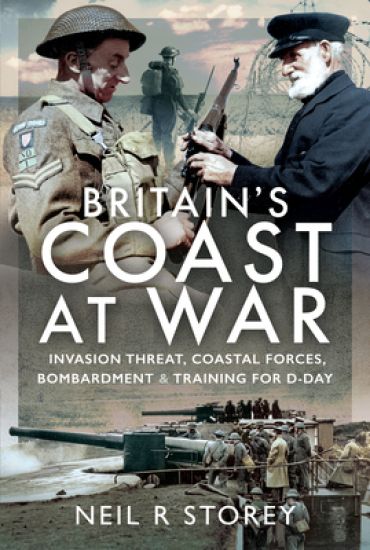
The whole of Britain's coastline was involved in the struggle against the Nazis. In the early days invasion was the main threat. Dover and the South East suffered grievously from aerial attacks and were also shelled by German artillery from across the Channel, the area was dubbed 'Hell Fire Corner.' Cities and towns all around the coast such as Plymouth, Portsmouth, Hull and Great Yarmouth were the targets of devastating air raids. The coast and lochs of Scotland became a key training area for commandos and assault troops for D-Day and its ports saw the return of crews of sunk vessels of both sides. The East Coast was pivotal to North Sea operations against enemy mining and E-boat operations. The Western ports, particularly Liverpool, were crucial to the vital Atlantic convoys and the defeat of the U-boat threat. The final months of training and preparation for D-Day centred on the South Coast when disaster struck during Exercise Tiger off Slapton Sands. Britain's coastal ports continued to attract 'Tip and Run' raids and the attention of V rockets that changed the character of many these towns and cities forever. Neil Storey's superbly researched work brilliantly describes all this and more in words and images.
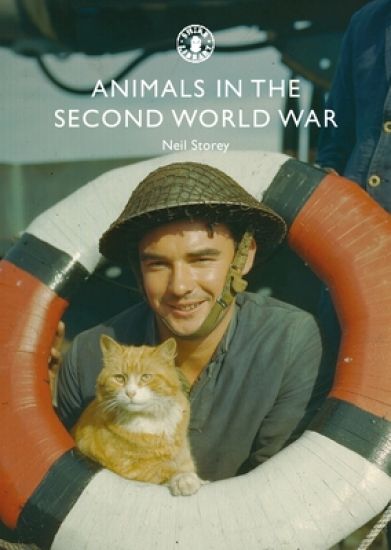
Throughout the course of the Second World War, many millions of animals were enlisted to serve. Though they had no choice, yet they demonstrated loyalty, determination and bravery as they shared the burden of war with their human companions both on active service and on the Home Front. From the dogs trained to locate air-raid victims buried under rubble, to the mules that carried ammunition and supplies through the jungles of the Far East, each animal played a crucial role in the war effort. In fact, such was their contribution that those animals that showed exceptional gallantry or devotion to duty were recognised officially with the introduction of the Dickin Medal in 1943. This fascinating book draws from first-hand accounts and contemporary sources to reveal the wide-ranging contributions that animals made both on and off the battlefield.
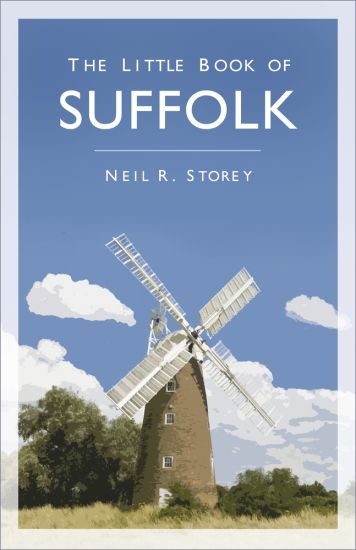
The Little Book of Suffolk is a repository of intriguing, fascinating, obscure, strange and entertaining facts and trivia about one of England's most colourful counties. It is an essential to the born and bred Suffolk folk or anyone who knows and loves the county. Armed with this fascinating tome the reader will have such knowledge of the county, its landscape, people, places, pleasures and pursuits they will be entertained and enthralled and never short of some frivolous fact to enhance conversation or quiz! A reference book and a quirky guide, this can be dipped in to time and time again to reveal something new about the people, the heritage, the secrets and the enduring fascination of the county. A remarkably engaging little book, this is essential reading for visitors and locals alike.
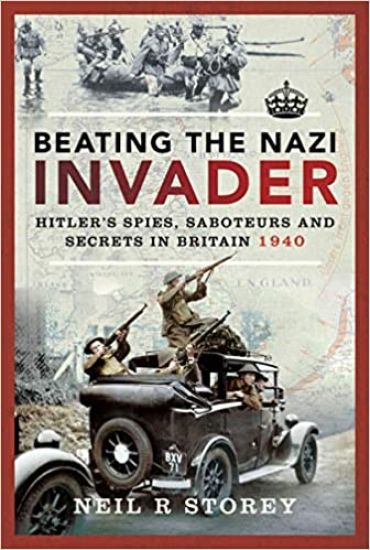
Beating the Invader is a revealing and disturbing exploration of the darker history of Nazis, spies and 'Fifth Columnist' saboteurs in Britain and the extensive top secret counter-measures taken before and during the real threat of invasion in 1940. The author's research describes the Nazi Party organisation in Britain and reveals the existence of the Gestapo headquarters in central London. The reader gains vivid insights into Nazi agents and terrorist cells, the Special Branch and MI5 teams who hunted them and investigated murders believed to have been committed by Third Reich agents on British soil. Accessing a host of recently de-classified files the book explores the highly classified measures taken for the protection of the Royal Family, national treasures and gold reserves. The British government made extensive plans for the continuation of government in the event of invasion including the creation of all-powerful Regional Commissioners, 'Black Lists' of suspected collaborators and a British resistance organisation. We also learn of the Nazis' own occupation measures for suborning the population and the infamous Sonderfahndungsliste G. B, the Nazi 'Special Wanted List'. The result is a fascinating insight into the measures and actions taken to ensure that Great Britain did not succumb to the gravest threat of enemy invasion and occupation for centuries.
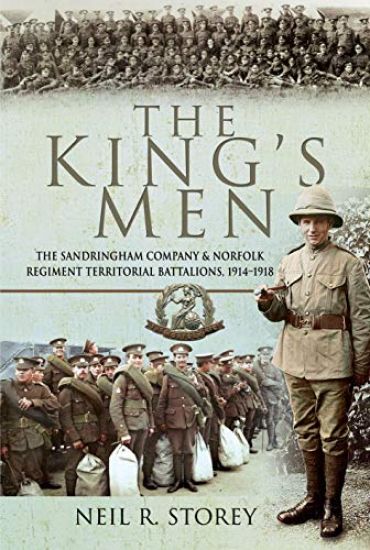
The 4th and 5th Battalions, the Norfolk Regiment were formed in the early days of The Great War as part of the Territorial Force and deployed with 54th (East Anglian) Division to Gallipoli in 1915. Most significantly the 1/5th Battalion was unique in that it contained The Sandringham Company, the only unit to be raised entirely from a Royal Estate. Tragically the Company, along with King George V's Agent Captain Beck, disappeared without trace on 12 August 1915, presumed to have been overcome by their Turkish adversaries. The Battalion was rebuilt and saw out the ill-fated Gallipoli Campaign being evacuated to Egypt in December 1915. Thereafter the Norfolks served with distinction in Palestine as part of the Egyptian Expeditionary Force. The Author has compiled a fascinating history of these Battalions' distinguished service using contemporary records and personal accounts illustrated with a splendid selection of photographs. The result is a fitting tribute to the memory of these brave volunteers.
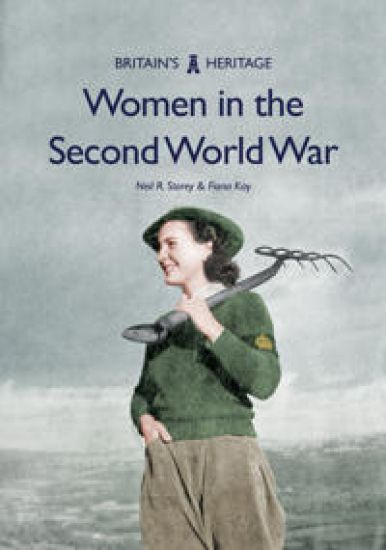
The Second World War affected the people of Britain like nothing before. This was especially true of Britain’s women. With thousands of men called up to join the armed forces, women took their place in the workforce, employed in the new jobs created to supply and maintain the war effort. When the working day was finished, women also served in Civil Defence and a vast array of other organisations and coped with the hardships of bombing, rationing and the separation of families. From 1941, women were subject to conscription, being directed to employment in the industries where they were most needed or into uniformed services such as the Women’s Royal Naval Service (‘the Wrens’), the Women’s Auxiliary Air Force (WAAF) or the Auxiliary Territorial Service (ATS) or in agriculture as part of the Women’s Land Army. By 1943 almost 90 per cent of single women and 80 per cent of married women were employed in essential work for the war effort. This book is part of the Britain’s Heritage series, which provides definitive introductions to the riches of Britain’s past, and is the perfect way to get acquainted with the women of the Second World War in all their variety.
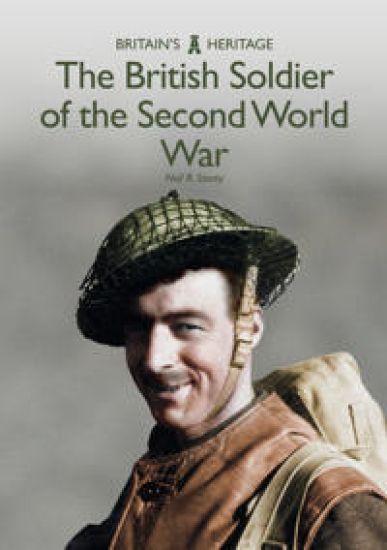
By 1945 the British Army numbered 3 million men and was about three times as large as it had been when the Second World War broke out in 1939. British soldiers could be found fighting all over the world, from France and Belgium via North Africa and the Middle East to the jungles of Burma and the Far East. Many of these men were conscripted from those aged between eighteen and forty-one, making this a true citizens’ army. They would have had no previous military or combat experience, only about sixteen weeks’ training. Covering Regulars, Territorials, Corps and the Infantry from volunteering or conscription to demob, this book explores the uniforms, insignia, kit, equipment, weaponry and training of British soldiers along with their lives and experiences on active service campaigns during the Second World War. This book is part of the Britain’s Heritage series, which provides definitive introductions to the riches of Britain’s past, and is the perfect way to get acquainted with British soldiers of the Second World War in all their variety.
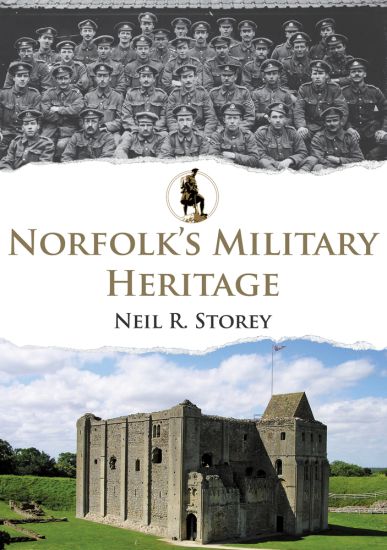
Norfolk’s military heritage dates back to the earliest times, from Iron Age forts, Iceni strongholds and Boudica’s rebellion against Roman occupation to its front-line role with coastal defences and numerous airbases during the Second World War. The Romans left their mark with fortifications, garrisons and shore forts. The county was shaped by Anglo-Saxon and Viking invasions and the Normans, whose castles still stand dominant in the county. Norfolk was the scene of uprisings and rebellions, including the Peasants’ Revolt, Kett’s Rebellion and Civil War conflicts. The men of the county led and filled the ranks of the local volunteers, militias and yeomanry during the Napoleonic Wars and was famed for its great maritime commander of the day – Admiral Lord Nelson. The county played a vital part in both world wars, not least suffering direct attacks by German battleships, Zeppelin air raids during the First World War and becoming a target during the Baedeker Blitz in 1942. The Royal Norfolk Regiment has a proud history, serving with distinction wherever they fought – from the Peninsular War to South Africa, through two world wars and beyond. Award-winning historian Neil R. Storey is a born-and-bred Norfolk man. He has published on military and social history themes for thirty years and knows and loves his county well. Norfolk’s Military Heritage will interest anyone keen to know more about the county’s remarkable military history.
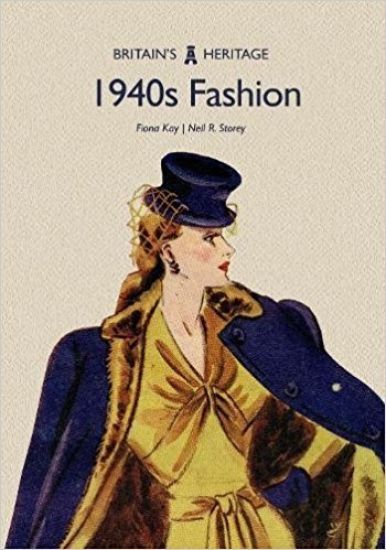
1940s Fashion
Fiona Kay; Neil R. Storey
Amberley Publishing
2018
nidottu
Halvin toimitettuna 17,90 €
Despite – or perhaps because of – the privations of war, the 1940s was one of the greatest decades for fashion in Britain. The designs and fashions of the 1930s would linger on through the early years of the Second World War but with shortages and rationing firmly in place, the Utility clothing available in the shops had to overcome these restrictions and still look new and vivid. Because so much of the war effort depended on Britain’s women, fashion was considered important for morale. Fashion in the 1940s ranged from military uniforms (for men and women) to siren suits to be worn to keep warm in air raid shelters at night and the demob suits issued to those leaving the services at the end of the war. The mantra of ‘make-do and mend’ would spawn a decade of creativity, and a generation who would not let austerity prevent them from looking good. Transatlantic and military influences were everywhere, and after the war was over Dior’s ‘New Look’ set the scene for the fashions of the prosperous 1950s. This book is part of the Britain’s Heritage series, which provides definitive introductions to the riches of Britain’s past, and is the perfect way to get acquainted with 1940s fashion in all its variety.
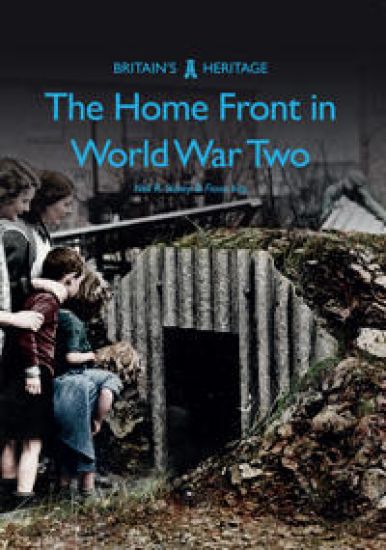
When the Second World War broke out in September 1939, everybody in Britain knew that the civilian population would be affected far more than they had been in the First World War. As aircraft got more advanced, Britain’s cities came within range and were vulnerable to attack from the air, possibly using poison gas. Before the war had started, plans were made to train civilians in first aid or to act as air raid wardens, to distribute air raid shelters that could be set up in back gardens and to evacuate children from the cities. Soon after the start of the war, Britain’s women were called up to work in the expanding factories that would feed the war effort, and on the farms in the Women’s Land Army. Food and clothing were rationed to make sure that there was enough to go around. After the Germans swept through Western Europe in the summer of 1940, the Home Guard was formed to help defend against invasion. In this book, Neil R. Storey and Fiona Kay paint an evocative picture of life in Britain during the war years, from Austerity to the friendly invasion of Americans. This book is part of the Britain’s Heritage series, which provides definitive introductions to the riches of Britain’s past, and is the perfect way to get acquainted with the home front in the Second World War in all its variety.
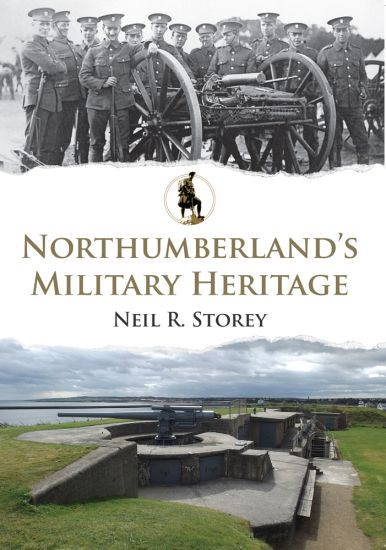
The military heritage of Northumberland is without doubt one of the richest in all the British Isles. By nature of it being England’s most northern county, its borders have seen many bloody clashes and battles since the earliest times. Hadrian’s Wall stretches along the south of the county and is dotted with forts, garrisons and fortified settlements along its length. The first Viking raid was carried out upon Lindisfarne in 793. There were clashes with the Scots for centuries and from the thirteenth century and for 400 years afterwards there were border raids by reivers. The Battle of Newburn in 1640 was one of the flashpoints that led to the English Civil War, and many a noble Northumberland family was ruined in the Jacobite Rebellion of 1745. It is hardly surprising that within the boundaries of the county there can be found more castles than anywhere else in Britain and, as a breed of fighting men, the steel of the Northumbrians is like no other. The men of the North were the backbone of the British Army; a number of regiments have recruited here, including the Coldstream Guards, King’s Own Scottish Borderers and, of course, our very own Northumberland Fusiliers, ‘The Fighting Fifth’. They all served with distinction wherever they fought – from the Peninsular War to South Africa, through two world wars, and beyond. Award-winning military historian Neil R. Storey knows and loves Northumberland and this book will interest anyone keen to know more about its remarkable military history.
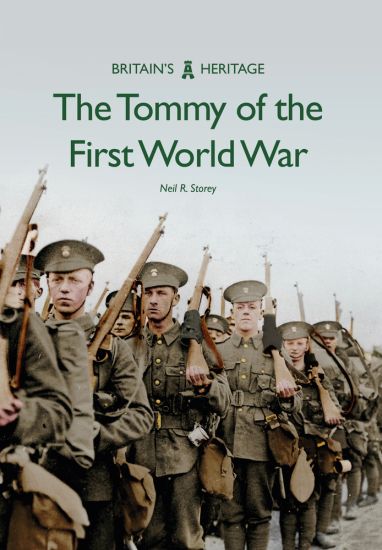
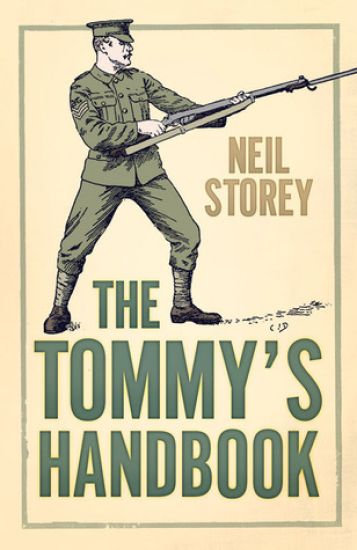
‘Tommy Atkins’ has been the nickname given to soldiers of the British Army since the eighteenth century. The origin of the name is shrouded in mystery, but it has stuck. By 1914, the Tommy had changed dramatically since the days of Queen Victoria’s redcoats. Edwardian army reforms had improved recruitment and training and had re-organised the regular forces and reserves. When the First World War broke out, the system went smoothly into action and the BEF was carried across the Channel to France. But the British Army was relatively small and the First World War required a rapid expansion of the ranks. Lord Kitchener’s call for men raised the so-called New Army, half a million strong, but more were needed and conscription came into force. Many of those who volunteered together were also trained together and fought side by side in battle. In the fire of machine guns and amid the shell-fire, large numbers of men from city parishes, towns and villages fell together. Neil Storey takes us through the recruitment, equipment, training and experiences of these soldiers in the First World War: the Tommies, ‘the poor bloody infantry’. This book is part of the Britain’s Heritage series, which provides definitive introductions to the riches of Britain’s past, and is the perfect way to get acquainted with the Tommy of the First World War.
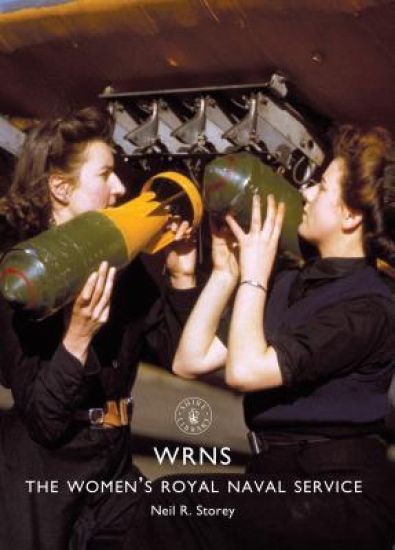
From cooks and clerks to weapons analysts and air mechanics, generations of women have served in the Wrens (Women’s Royal Naval Service or WRNS). The Royal Navy was the first of the UK armed services to admit women during the First World War with the purpose of freeing up a man to go to sea by giving his job to a trained female worker. Disbanded in 1919, the Wrens were reinstated on the outbreak of the Second World War. This book focuses on the work and experiences of Wrens during the two world wars, introducing the kinds of jobs they performed and the places where they served. It contains poignant accounts from the women themselves, along with contemporary images of the Wrens in action and modern photographs of their uniforms, badges and insignia.
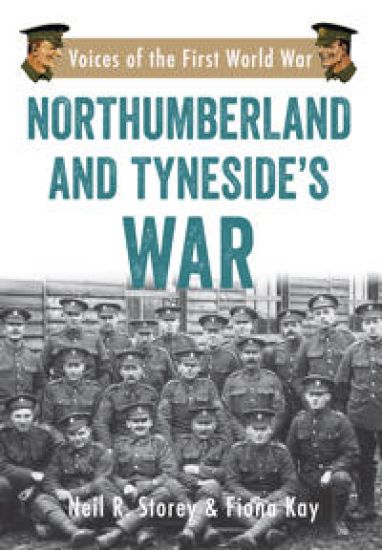
This book tells the story of the people of Tyneside and Northumberland during the First World War, both in action on the front line and on the Home Front. The book is filled with many previously unpublished accounts of life at the front, the stories of soldiers written in their own words in letters home during the war and in accounts written in the years after, which have remained in family archives ever since. There are also numerous accounts published in local newspapers during the years 1914–19. Illustrated with a wonderful selection of photographs from the authors’ extensive archive of original photographs and postcards, many of which have not been published since the war, this book presents a fascinating and revealing insight into the story of the North East, its military forces and its people during the First World War.
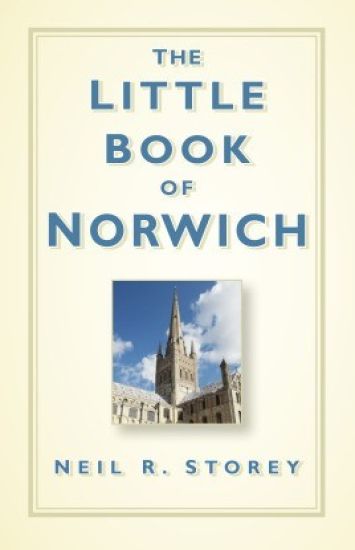
Norwich is a city that has seen it all. Its citizens have been murdered with poisoned dumplings, royalty and rogues have walked the same cobbled streets, and rioters have mustered outside its city gates. Quirky details and local anecdotes abound as this jam-packed compendium explores the UK’s most easterly city, from its earliest origins to the present day. Looking at conflicts, sports, entertainment, traditions and all that makes Norwich special, this book will entertain and enthrall all those looking for some frivolous facts about this marvellous city.
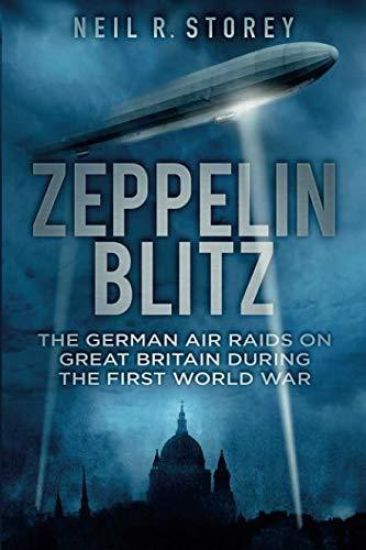
In 1907, H. G. Wells published a science fiction novel called The War in the Air. It proved to be portentous. In the early years of the First World War, German lighter-than-air flying machines, Zeppelins, undertook a series of attacks on the British mainland. German military strategy was to subdue Britain, both by the damage these raids caused and by the terrifying nature of the craft that carried them out. This strategy proved successful. The early raids caused significant damage, many civilian casualties and provoked terror and anger in equal measure. But the British rapidly learnt how to deal with these futuristic monsters. A variety of defence mechanisms were developed: searchlights, guns and fighter aircraft were deployed, the British learnt to pick up the airships’ radio messages and a central communications headquarters was set up. Within months aerial strategy and its impact on the lives of civilians and the course of conflict became part of human warfare. As the Chief of the Imperial German Naval Airship Division, Peter Strasser, crisply put it: ‘There is no such thing as a non-combatant any more. Modern war is total war.’ Zeppelin Blitz is the first full, raid-by-raid, year-by-year account of the Zeppelin air raids on Britain during the First World War, based on contemporary official reports and documents.
In the years immediately before the First World War, the British Army was comprehensively reformed, and new training manuals and regulations were issued across the force. Covering topics such as uniform, drill and marching songs, equipment, trench construction, scouting and reconnaissance work, field communications, modern military techniques and strategy, and how casualties and prisoners of war should be dealt with, these manuals contained concise, practical advice compiled by experts. They were regularly updated and reprinted in response to the latest developments in warfare. Packed with excerpts carefully selected by historian Neil R. Storey from his nationally respected archive, this volume provides an authentic overview of how a typical Tommy was trained both at home and in the field during the First World War.
Animals in the First World War
Neil R. Storey
Shire Publications
2014
nidottu
Halvin toimitettuna 14,70 €
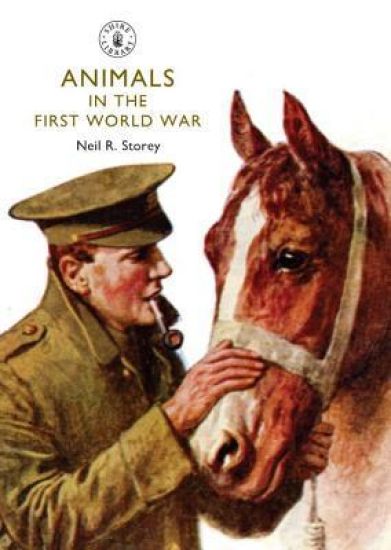
The burden of the Great War was not shouldered by soldiers alone: the tasks, the camaraderie, the day-to-day life and the devastation were all shared with the animals that accompanied the forces abroad. The horses that took part in the last cavalry charges or hauled heavy guns are the most famous examples, but were far from alone: pigeons carried vital messages, dogs sniffed out wounded soldiers, camels were used as beasts of burden in the desert, and even ships’ cats and baby orang-utans had their parts to play. From noted historian Neil R. Storey, this book looks at all the practical ways in which animals were essential to the war effort, but is equally interested in their roles as companions, mascots and morale boosters – on land, in the air and at sea. Neil R. Storey is a social and military historian specialising in the impact of war on society. He has written over twenty-five books, countless articles and has given lectures across the UK, including at the Imperial War Museum. He has acted as a consultant on a number of television documentaries and dramas.
The Little Book of Murder is a chilling compendium of intriguing, obscure and strange facts and trivia about murders and murderers from around the world. From infamous cases and serial killers, to unusual murder weapons and crime scene investigations, this book is sure to make you sit up and say, ‘I never knew that!’ A reference book and a quirky guide, this volume can be dipped in to time and time again to reveal something new about the murderers, the victims, the people who write about crime, and the advances in scientific detection. A remarkably engaging little book, this is essential reading for true crime and crime fiction fans alike.