Kirjojen hintavertailu – 12 903 724 kirjaa ja 27 kauppaa

Kirjailija

Neil Selwyn

Kirjat ja teokset yhdessä paikassa: 32 kirjaa, julkaisuja vuosilta 2005–2027, suosituimpiin kuuluu Facial Recognition in Everyday Life. Vertaile teosten hintoja ja tarkista saatavuus suomalaisista kirjakaupoista.

32 kirjaa

Kirjojen julkaisuvuodet: 2005–2027.

Digital Technology and the Contemporary University
Digital Technology and the Contemporary University examines the often messy realities of higher education in the ‘digital age’. Drawing on a variety of theoretical and empirical perspectives, the book explores the intimate links between digital technology and wider shifts within contemporary higher education – not least the continued rise of the managerialist ‘bureaucratic’ university. It highlights the ways that these new trends can be challenged, and possibly changed altogether. Addressing a persistent gap in higher education and educational technology research, where digital technology is rarely subject to an appropriately critical approach, Degrees of Digitization offers an alternative reading of the social, political, economic and cultural issues surrounding universities and technology. The book highlights emerging themes that are beginning to be recognised and discussed in academia, but as yet have not been explored thoroughly. Over the course of eight wide-ranging chapters the book addresses issues such as:The role of digital technology in university reformDigital technologies and the organisation of universitiesDigital technology and the working lives of university staffDigital technology and the ‘student experience’Reimagining the place of digital technology within the contemporary universityThis book will be of great interest to all students, academic researchers and writers working in the areas of education studies and/or educational technology, as well as being essential reading for anyone working in the areas of higher education research and digital media research.
Digital Technology and the Contemporary University

Digital Technology and the Contemporary University

Neil Selwyn

Routledge
2014
nidottu

Halvin toimitettuna 58,10 €

Digital Technology and the Contemporary University examines the often messy realities of higher education in the ‘digital age’. Drawing on a variety of theoretical and empirical perspectives, the book explores the intimate links between digital technology and wider shifts within contemporary higher education – not least the continued rise of the managerialist ‘bureaucratic’ university. It highlights the ways that these new trends can be challenged, and possibly changed altogether. Addressing a persistent gap in higher education and educational technology research, where digital technology is rarely subject to an appropriately critical approach, Degrees of Digitization offers an alternative reading of the social, political, economic and cultural issues surrounding universities and technology. The book highlights emerging themes that are beginning to be recognised and discussed in academia, but as yet have not been explored thoroughly. Over the course of eight wide-ranging chapters the book addresses issues such as:The role of digital technology in university reformDigital technologies and the organisation of universitiesDigital technology and the working lives of university staffDigital technology and the ‘student experience’Reimagining the place of digital technology within the contemporary universityThis book will be of great interest to all students, academic researchers and writers working in the areas of education studies and/or educational technology, as well as being essential reading for anyone working in the areas of higher education research and digital media research.
Distrusting Educational Technology
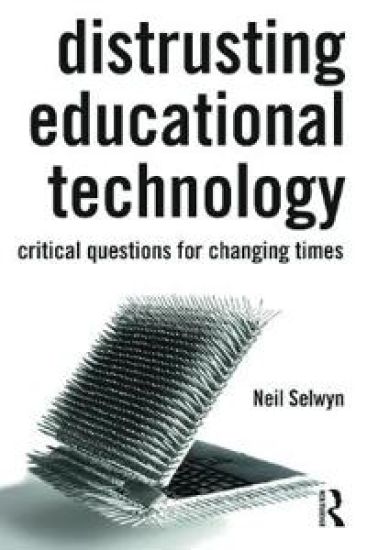
Distrusting Educational Technology critically explores the optimistic consensus that has arisen around the use of digital technology in education. Drawing on a variety of theoretical and empirical perspectives, this book shows how apparently neutral forms of educational technology have actually served to align educational provision and practices with neo-liberal values, thereby eroding the nature of education as a public good and moving it instead toward the individualistic tendencies of twenty-first century capitalism. Following a wide-ranging interrogation of the ideological dimensions of educational technology, this book examines in detail specific types of digital technology in use in education today, including virtual education, ‘open’ courses, digital games, and social media. It then concludes with specific recommendations for fairer forms of educational technology. An ideal read for anyone interested in the fast-changing nature of contemporary education, Distrusting Educational Technology comprises an ambitious and much-needed critique.
Distrusting Educational Technology
Distrusting Educational Technology critically explores the optimistic consensus that has arisen around the use of digital technology in education. Drawing on a variety of theoretical and empirical perspectives, this book shows how apparently neutral forms of educational technology have actually served to align educational provision and practices with neo-liberal values, thereby eroding the nature of education as a public good and moving it instead toward the individualistic tendencies of twenty-first century capitalism. Following a wide-ranging interrogation of the ideological dimensions of educational technology, this book examines in detail specific types of digital technology in use in education today, including virtual education, ‘open’ courses, digital games, and social media. It then concludes with specific recommendations for fairer forms of educational technology. An ideal read for anyone interested in the fast-changing nature of contemporary education, Distrusting Educational Technology comprises an ambitious and much-needed critique.
Education in a Digital World

Education in a Digital World

Neil Selwyn

Routledge
2012
nidottu
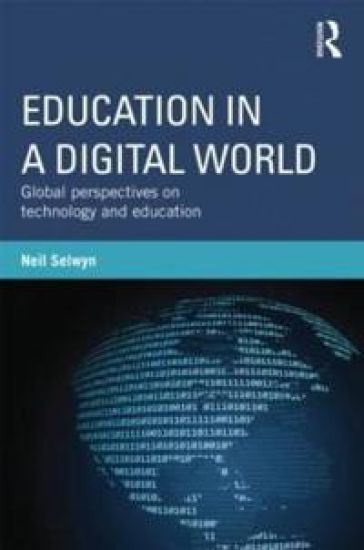
Drawing on a wealth of theoretical and empirical work, Education in a Digital World tackles a number of pressing questions, such as, how are ‘global’ trends in educational technology refracted through national policies and processes? How exactly are educational technologies linked to issues of global economics and the fortunes of national and international economies? To what extent are digital technologies implicated in the commercialisation, marketization and commodification of education? These questions, and others, are addressed throughout eight wide-ranging chapters, which consider topics such as the national policy strategies of countries across North and South America, Europe and East Asia, the educational technology portfolios of international organizations such as the United Nations and Microsoft, as well as the role of education and technology in international development and the on-going efforts to provide ‘one laptop per child’ across low-income regions and countries. Through these examples Selwyn develops a detailed analysis of education, technology and globalisation, drawing together arguments and debates from various academic perspectives. Written in a detailed but accessible manner, this is an essential book for anyone wishing to gain a better understanding of the role of education and technology in contemporary globalised society.
Education in a Digital World

Education in a Digital World

Neil Selwyn

Routledge
2012
sidottu
Drawing on a wealth of theoretical and empirical work, Education in a Digital World tackles a number of pressing questions, such as, how are ‘global’ trends in educational technology refracted through national policies and processes? How exactly are educational technologies linked to issues of global economics and the fortunes of national and international economies? To what extent are digital technologies implicated in the commercialisation, marketization and commodification of education? These questions, and others, are addressed throughout eight wide-ranging chapters, which consider topics such as the national policy strategies of countries across North and South America, Europe and East Asia, the educational technology portfolios of international organizations such as the United Nations and Microsoft, as well as the role of education and technology in international development and the on-going efforts to provide ‘one laptop per child’ across low-income regions and countries. Through these examples Selwyn develops a detailed analysis of education, technology and globalisation, drawing together arguments and debates from various academic perspectives. Written in a detailed but accessible manner, this is an essential book for anyone wishing to gain a better understanding of the role of education and technology in contemporary globalised society.
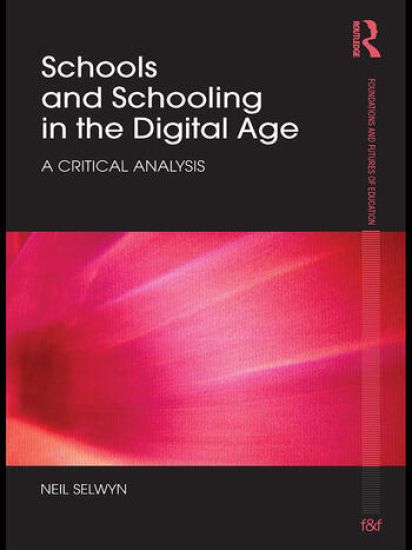
Schools and Schooling in the Digital Age
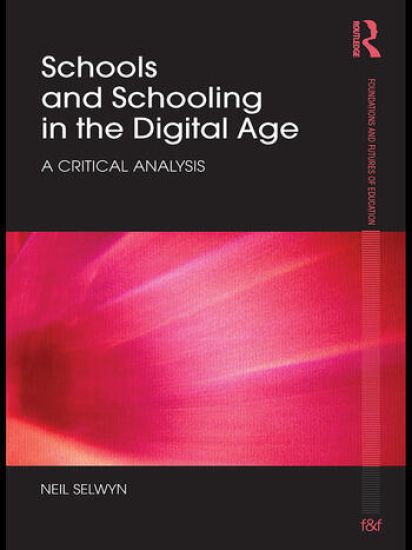
This book presents a wide-ranging and critical exploration of a topic that lies at the heart of contemporary education. The use of digital technology is now a key feature of schools and schooling around the world. Yet despite its prominence, technology use continues to be an area of education that rarely receives sustained critical attention and thought, especially from those people who are most involved and affected by it. Technology tends to be something that many teachers, learners, parents, policy-makers and even academics approach as a routine rather than reflective matter. Tackling the wider picture, addressing the social, cultural, economic, political and commercial aspects of schools and schooling in the digital age, this book offers to make sense of what happens, and what does not happen, when the digital and the educational come together in the guise of schools technology. In particular, the book examines contemporary schooling in terms of social justice, equality and participatory democracy. Seeking to re-politicise an increasingly depoliticised area of educational debate and analysis, setting out to challenge the many contradictions that characterise the field of education technology today, the author concludes by suggesting what forms schools and schooling in the digital age could, and should, take. This is the perfect volume for anyone interested in the application and use of technology in education, as well as the education policy and politics that surround it; many will also find its innovative proposals for technology use an inspiration for their own teaching and learning.
Schools and Schooling in the Digital Age
This book presents a wide-ranging and critical exploration of a topic that lies at the heart of contemporary education. The use of digital technology is now a key feature of schools and schooling around the world. Yet despite its prominence, technology use continues to be an area of education that rarely receives sustained critical attention and thought, especially from those people who are most involved and affected by it. Technology tends to be something that many teachers, learners, parents, policy-makers and even academics approach as a routine rather than reflective matter. Tackling the wider picture, addressing the social, cultural, economic, political and commercial aspects of schools and schooling in the digital age, this book offers to make sense of what happens, and what does not happen, when the digital and the educational come together in the guise of schools technology. In particular, the book examines contemporary schooling in terms of social justice, equality and participatory democracy. Seeking to re-politicise an increasingly depoliticised area of educational debate and analysis, setting out to challenge the many contradictions that characterise the field of education technology today, the author concludes by suggesting what forms schools and schooling in the digital age could, and should, take. This is the perfect volume for anyone interested in the application and use of technology in education, as well as the education policy and politics that surround it; many will also find its innovative proposals for technology use an inspiration for their own teaching and learning.
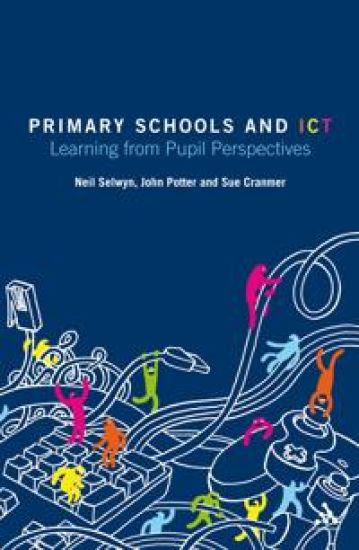
Primary Schools and ICT

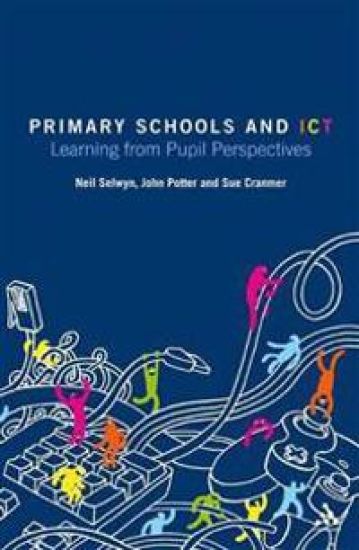
Primary Schools and ICT

Neil Selwyn; Sue Cranmer; John Potter

Network Continuum Education
2010
nidottu
The use of information and communication technologies (ICTs) in primary schools is often problematic and frustrating for teachers and pupils alike. Drawing on a study of the experiences and perceptions of over 600 primary pupils, this book explores how ICT provision may be improved from a 'bottom-up' perspective - considering a number of radical suggestions for recasting primary schools as sites of innovative, imaginative and empowering technology use. There have been relatively few empirical studies of primary school IT use, and very few studies of pupils' perceptions of using technologies in primary schools. This book addresses the lack of 'learner voice' in the existing literature by providing interesting, thought-provoking insights into children's views of ICT. From this background, the book is able to make a number of practical suggestions for changes to the nature of ICT organisation and provision in schools, and so will benefit schools' efforts to better align education ICT use with the needs of children.
Primary Schools and ICT

Primary Schools and ICT

Neil Selwyn; Sue Cranmer; John Potter

Network Continuum Education
2010
sidottu
The use of information and communication technologies (ICTs) in primary schools is often problematic and frustrating for teachers and pupils alike. Drawing on a study of the experiences and perceptions of over 600 primary pupils, this book explores how ICT provision may be improved from a 'bottom-up' perspective - considering a number of radical suggestions for recasting primary schools as sites of innovative, imaginative and empowering technology use. There have been relatively few empirical studies of primary school IT use, and very few studies of pupils' perceptions of using technologies in primary schools. This book addresses the lack of 'learner voice' in the existing literature by providing interesting, thought-provoking insights into children's views of ICT. From this background, the book is able to make a number of practical suggestions for changes to the nature of ICT organisation and provision in schools, and so will benefit schools' efforts to better align education ICT use with the needs of children.
Adult Learning in the Digital Age

Adult Learning in the Digital Age

Neil Selwyn; Stephen Gorard; John Furlong

Routledge
2005
sidottu
This engaging book sheds light on the ways in which adults in the twenty-first century interact with technology in different learning environments. Based on one of the first large-scale academic research projects in this area, the authors present their findings and offer practical recommendations for the use of new technology in a learning society. They invite debate on:why ICTs are believed to be capable of affecting positive change in adult learningthe drawbacks and limits of ICT in adult educationwhat makes a lifelong learner the wider social, economic, cultural and political realities of the information age and the learning society. Adult Learning addresses key questions and provides a sound empirical foundation to the existing debate, highlighting the complex realities of the learning society and e-learning rhetoric. It tells the story of those who are excluded from the learning society, and offers a set of strong recommendations for practitioners, policy-makers, and politicians, as well as researchers and students.
Adult Learning in the Digital Age

Adult Learning in the Digital Age

Neil Selwyn; Stephen Gorard; John Furlong

Routledge
2005
nidottu
This engaging book sheds light on the ways in which adults in the twenty-first century interact with technology in different learning environments. Based on one of the first large-scale academic research projects in this area, the authors present their findings and offer practical recommendations for the use of new technology in a learning society. They invite debate on:why ICTs are believed to be capable of affecting positive change in adult learningthe drawbacks and limits of ICT in adult educationwhat makes a lifelong learner the wider social, economic, cultural and political realities of the information age and the learning society. Adult Learning addresses key questions and provides a sound empirical foundation to the existing debate, highlighting the complex realities of the learning society and e-learning rhetoric. It tells the story of those who are excluded from the learning society, and offers a set of strong recommendations for practitioners, policy-makers, and politicians, as well as researchers and students.