Kirjojen hintavertailu – 12 859 819 kirjaa ja 27 kauppaa
Kirjailija
Neil Southern
Kirjat ja teokset yhdessä paikassa: 3 kirjaa, julkaisuja vuosilta 2011–2018, suosituimpiin kuuluu New South African Review 2. Vertaile teosten hintoja ja tarkista saatavuus suomalaisista kirjakaupoista.
William Attwell; Leslie Bank; Naidoo Prishani; Patrick Bond; Imraan Buccus; John Daniel; Jane Duncan; Fig David; Hamill James; Janine Hicks; John Hoffman; Paul Hoffman; Malose Langa; Lindsay Don; Clifford Mabhena; Rajohane Matshedisho; Pillay Devan; Saloojee Haroon; Satgar Vishwas; Christopher Saunders; Sharife Khadija; Skinner Kate; Southall Roger; Neil Southern; Karl von Holdt; Edward Webster; Williams Michelle
The second volume of the New South African Review (NSAR) continues a tradition of debate and critical, analytical scholarship about contemporary South Africa. Drawing on authors from academia and beyond, it aims to be informative, discursive and provocative. In this volume, the New Growth Path (NGP) adopted by the South African government in 2010 provides the basis for a debate about whether 'decent work' is the best possible solution to South Africa's problems of low economic growth and high unemployment. Rising inequality is explored against the backdrop of the failings of Black Economic Empowerment (BEE) and Broad-Based Black Economic Empowerment (BBBEE). The NGP's proposals for 'greening the economy' are discussed, with emphasis on the creation of 'green jobs' and biofuels. The volume also includes investigations into the crisis of acid mine drainage on the Witwatersrand, and other persistent environmental challenges. Possibilities for participatory forms of government are surveyed, and civil society activism is explored in relation to the South African Broadcasting Corporation (SABC) and environmental campaigns. The crisis in child care in public hospitals, the difficulties that characterise attempts at building relationships between the police and a township community, and the problems related to the absence of legislation to govern the powers of traditional authorities over land allocation (through the experience of the Eastern Cape) are also featured. Asking whether the NGP reflects a set of new policies or an attempt to re-dress old (com)promises in new clothes, this volume brings together different voices in debate about possibilities for alternatives to neo-liberal and capitalist development in South Africa.
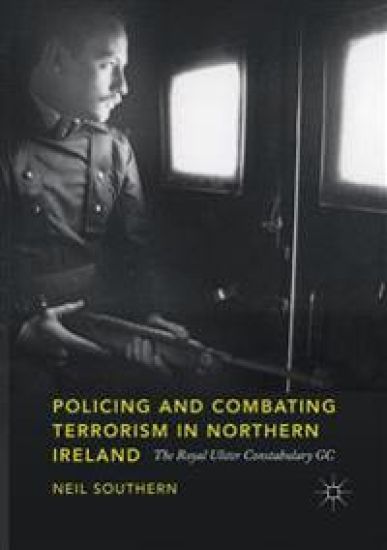
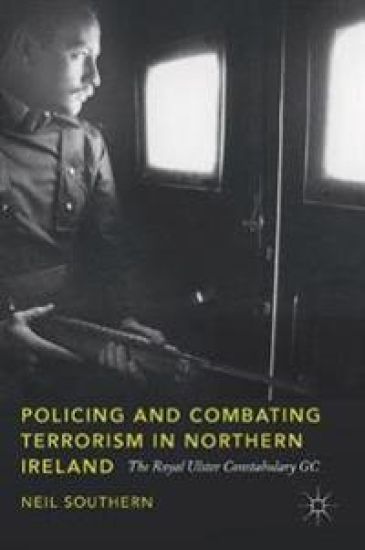
This book explores the challenges of combating terrorism from a policing perspective using the example of the Royal Ulster Constabulary GC (RUC) in Northern Ireland. The RUC was in the frontline of counter-terrorism work for thirty years of conflict during which time it also provided a normal policing service to the public. However, combating a protracted and vicious terrorist campaign exacted a heaving price on the force. Importantly, the book addresses a seriously under-researched theme in terrorism studies, namely, the impact of terrorism on members of the security forces. Accordingly, the book examines how officers have been affected by the conflict as terrorists adopted a strategy which targeted them both on and off duty. This resulted in a high percentage of officers being killed whilst off duty - sometimes in the company of their wives and children. The experience of officers' wives is also documented thus highlighting the familial impact of terrorism. Generally speaking, the victims of terrorist attacks have received scant scholarly attention which has resulted in victims' experiences being little understood. This piece of work casts a specific and unique light on the nature of victimhood as it has been experienced by members of this branch of the security forces in Northern Ireland.