Kirjojen hintavertailu – 12 859 818 kirjaa ja 27 kauppaa
Kirjailija
Nelly Lahoud
Kirjat ja teokset yhdessä paikassa: 6 kirjaa, julkaisuja vuosilta 2005–2026, suosituimpiin kuuluu Empires of Faith. Vertaile teosten hintoja ja tarkista saatavuus suomalaisista kirjakaupoista.
Raina Abouzeid; Jon B. Alterman; Ali M. Ansari; James Barr; Ali Fathollah-Nejad; Peter Frankopan; Chaim Gans; Amber Gartrell; Kim Ghattas; Andrew S. Gilmour; Martin Goodman; Sir John Jenkins; Halil M. Karaveli; Elisabeth Kendall; Hugh Kennedy; Stephen Kotkin; Nelly Lahoud; Göran Larsson; Gabriel Martinez-Gros; General Sir Simon Mayall; Yossef Rapoport; Mark Ronan; Stefanie Rudolf; Peter Sarris; Nathan Shachar; Brendan Simms; Selena Wisnom
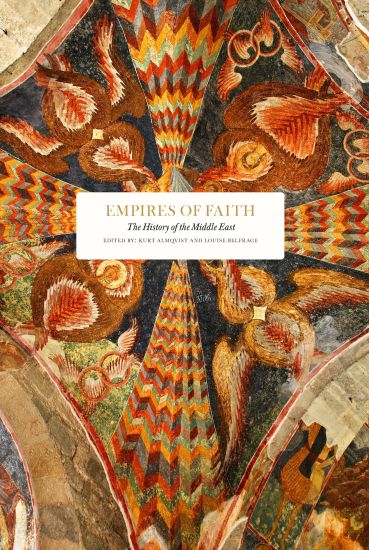
Mellanöstern har alltid varit en central plats för handel och erövringar. Läget har medfört enorma rikedomar, kulturellt utbyte och intellektuell vitalitet – men också konflikter, instabilitet och ihållande geopolitiska spänningar. Att förstå regionens förflutna är avgörande för att förstå dess nutid. Antologin Empires of Faith utforskar Mellanösterns långa historia – från Mesopotamien, de persiska kungarikena och Alexander den store till kristendomens och islams uppkomst, det bysantinska och ottomanska riket, och 1900-talets dramatiska omvandling av regionen. Hur har religion, civilisation och imperialistiska ambitioner format regionen? Vilka arv lämnade de stora imperierna efter sig och hur påverkade de lagstiftning, kultur, styre och undersåtarnas vardagsliv? Och i vilken utsträckning är historiens efterverkningar fortfarande synliga i dagens politiska och religiösa landskap? Boken utkommer även på svenska våren 2027.
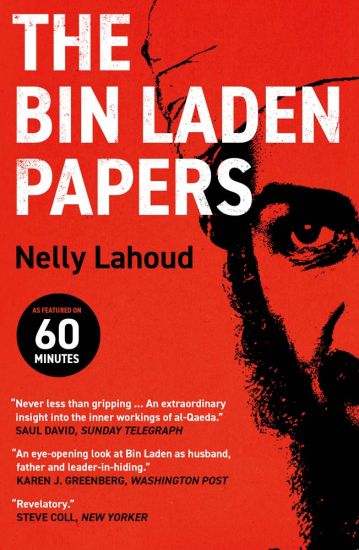
An inside look at al-Qaeda from 9/11 to the death of its founder—told through the words of Bin Laden and his closest circle As seen on 60 Minutes “A comprehensive, meticulously constructed and eye-opening look at bin Laden as husband, father and leader-in-hiding. . . . An engaging and persuasive read.”—Karen J. Greenberg, Washington Post “Never less than gripping. . . . [Offers] an extraordinary insight into the inner workings of al-Qaeda, both before and after 9/11, and lays bare the terrorist organisation’s closely guarded plans, ambitions and frustrations.”—Saul David, Sunday Telegraph Usama Bin Laden’s greatest fear was not capture or death but the exposure of al-Qaeda’s secrets. At great risk to themselves and the entire mission, the U. S. Special Operations Forces, who carried out the Abbottabad raid that killed Bin Laden, took an additional eighteen minutes to collect Bin Laden’s hard drives and thereby expose al-Qaeda’s secrets. In this groundbreaking book, Nelly Lahoud dives into Bin Laden’s files and meticulously distills the nearly 6,000 pages of Arabic private communications. For the first time, al-Qaeda’s closely guarded secrets are laid bare, shattering misconceptions and revealing how and what Bin Laden communicated with his associates, his plans for future attacks, and al-Qaeda’s hostility toward countries such as Saudi Arabia, Iran, and Pakistan. Lahoud presents firsthand accounts of al-Qaeda from 9/11 until the elimination of Bin Laden, in his own words and those of his family and closest associates.
This book is a study of political thought in Islam from the viewpoint of the history of ideas and the relevance of these ideas to contemporary Arabic political discourse. The author examines the use of the classical Islamic tradition (turath) and its religious and philosophical components by the three dominant Arabic political discourses: the Islamists, apologists and intellectuals. The book analyzes the different assumptions advanced by these discourses and the way they propose to apply or restore the turath in the present. Exploring connections between the medieval Islamic tradition and current debates, this book is essential reading for advanced students and researchers of Islam and political thought.
Are violent jihadis an enduring feature of modern international affairs, or do they hold in their own doctrines the seeds of self-destruction? Historical precedent suggests the latter. Jihadi ideologues have formulated an individualist-centered Islam to mobilise Muslims far and wide, youths above all, to join a global jihad. However, the duty and right to an individually initiated jihad constitutes just one side of this do-it-yourself Islam; the other is the duty to protect the purity of doctrinal beliefs against any perceived deviation by even their fellow jihadis. This book explores the religious philosophy underlying jihadism, as set against the background of the Kharijites, the first counter-establishment movement in Islam, whose idealistic and individualistic practice of Islam inevitably led them to deploy takfir against each other and thereby to self-destruct. By investigating the links between Kharijism and jihadism, Lahoud argues that the same doctrinal beliefs that appear to unite today's jihadis will also be the cause of their downfall.
This book is a study of political thought in Islam from the viewpoint of the history of ideas and the relevance of these ideas to contemporary Arabic political discourse. The author examines the use of the classical Islamic tradition (turath) and its religious and philosophical components by the three dominant Arabic political discourses: the Islamists, apologists and intellectuals. The book analyzes the different assumptions advanced by these discourses and the way they propose to apply or restore the turath in the present. Exploring connections between the medieval Islamic tradition and current debates, this book is essential reading for advanced students and researchers of Islam and political thought.