Kirjojen hintavertailu – 12 903 735 kirjaa ja 27 kauppaa

Kirjailija

Nevra Necipoglu

Kirjat ja teokset yhdessä paikassa: 3 kirjaa, julkaisuja vuosilta 2009–2021, suosituimpiin kuuluu Trade in Byzantium – Papers from the Third International Sevgi Gönül Byzantine Studies Symposium. Vertaile teosten hintoja ja tarkista saatavuus suomalaisista kirjakaupoista.

3 kirjaa

Kirjojen julkaisuvuodet: 2009–2021.

Trade in Byzantium – Papers from the Third International Sevgi Gönül Byzantine Studies Symposium
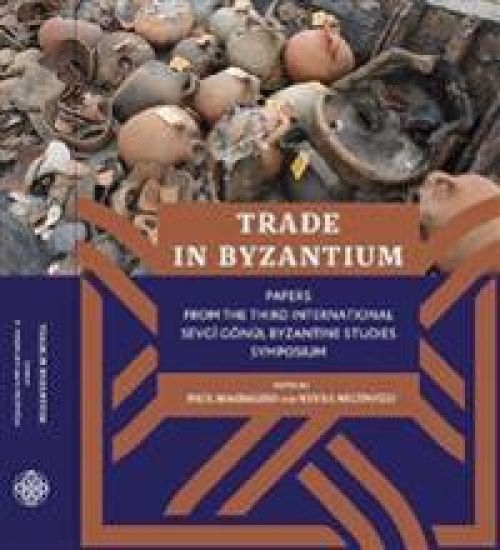
In the Byzantine Empire, Constantinople served not only as an administrative, military, and religious center, but also as one of trade and commerce. The city was selected as the new imperial capital due to its geographical advantages, its vast hinterland, its situation as an ideal vantage point for travel by land and sea, and its safe natural harbors, making it a perfect location for trade. Considering that medieval Anatolia, and especially Constantinople, was located at the center of a broad trade network and was a center of both production and consumption, trade is rightfully a continuing subject matter of Byzantine studies. In addition, since 2004, the Directorate of the Istanbul Archaeological Museums has carried out archaeological research in Üsküdar, Sirkeci, and Yenikapi, as part of the Marmaray and Metro projects. The excavations have revealed spectacular artifacts and new knowledge on Byzantine trade, ship-building technology, and ships and their cargo. In light of harbor excavation results and information accumulated from other ongoing research, it was the right time to re-evaluate trade in Byzantium. New findings and knowledge arising from the Yenikapi excavations, in particular, gave reason to revisit issues of trade in Byzantium again. The articles collected in this volume derive from papers presented at the Third International Sevgi Gönül Byzantine Studies Symposium on “Trade in Byzantium” held in Istanbul on 24–27 June 2013.
Byzantium between the Ottomans and the Latins

Byzantium between the Ottomans and the Latins

Nevra Necipoglu

Cambridge University Press
2012
pokkari
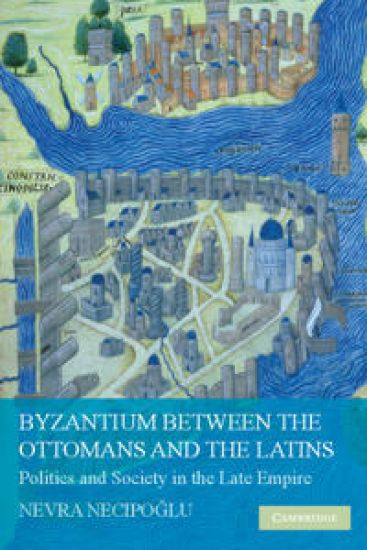
This is a detailed analysis of Byzantine political attitudes towards the Ottomans and western Europeans during the critical last century of Byzantium. The book covers three major regions of the Byzantine Empire - Thessalonike, Constantinople, and the Morea - where the political orientations of aristocrats, merchants, the urban populace, peasants, and members of ecclesiastical and monastic circles are examined against the background of social and economic conditions. Through its particular focus on the political and religious dispositions of individuals, families and social groups, the book offers an original view of late Byzantine politics and society that is not found in conventional narratives. Drawing on a wide range of Byzantine, western and Ottoman sources, it authoritatively illustrates how late Byzantium was drawn into an Ottoman system in spite of the westward-looking orientation of the majority of its ruling elite.
Byzantium between the Ottomans and the Latins

Byzantium between the Ottomans and the Latins

Nevra Necipoglu

Cambridge University Press
2009
sidottu
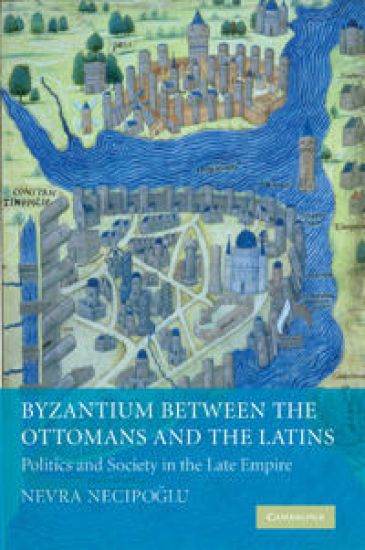
This is a detailed analysis of Byzantine political attitudes towards the Ottomans and western Europeans during the critical last century of Byzantium. The book covers three major regions of the Byzantine Empire - Thessalonike, Constantinople, and the Morea - where the political orientations of aristocrats, merchants, the urban populace, peasants, and members of ecclesiastical and monastic circles are examined against the background of social and economic conditions. Through its particular focus on the political and religious dispositions of individuals, families and social groups, the book offers an original view of late Byzantine politics and society that is not found in conventional narratives. Drawing on a wide range of Byzantine, western and Ottoman sources, it authoritatively illustrates how late Byzantium was drawn into an Ottoman system in spite of the westward-looking orientation of the majority of its ruling elite.