Kirjojen hintavertailu – 12 859 818 kirjaa ja 27 kauppaa

Kirjailija

Nicholas Carr

Kirjat ja teokset yhdessä paikassa: 16 kirjaa, julkaisuja vuosilta 2008–2026, suosituimpiin kuuluu Kunskap och information : den mänskliga intelligensen potential och fara. Vertaile teosten hintoja ja tarkista saatavuus suomalaisista kirjakaupoista.

16 kirjaa

Kirjojen julkaisuvuodet: 2008–2026.

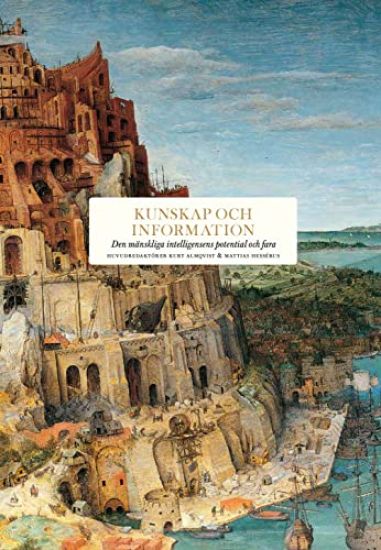
Kunskap och information : den mänskliga intelligensen potential och fara

Kunskap och information : den mänskliga intelligensen potential och fara

Mark Pagel; Mark Plotkin; John Hemming; Jessica Frazier; Richard Miles; Erica Benner; Peter Burke; Nathan Shachar; Suzana Herculano-Houzel; Mariano Sigman; Martin Ingvar; Michael Goodman; Gill Bennett; Simon Mayall; Maria Borelius; Andrew Keen; Nicholas Carr; Peter Frankopan; Christopher Coker; Janne Haaland Matláry; Elisabeth Kendall; Clarie Lehmann; David Goodhart; Brendan O´Neill; Fraser Nelson; Iain Martin; Adrian Wooldridge; S.J. M. Antoni J. Ucerler

Bokförlaget Stolpe
2021
sidottu
Vi har kommit långt från de religioner, myter och grundarberättelser som lade grunden till människans tidiga förståelse av världen och allting i den, och våra kunskaper har på senare tid ökat exponentiellt. I den här boken diskuterar ledande forskare inom konst och vetenskap hur kunskap och information har bevarats och förmedlats i historien, vilket leder oss fram till dagens digitala tidsålder och de många utmaningar som den ställer oss inför, inte minst beträffande våra persondata. Kommer vårt informationssamhälle, under växande spänning mellan en kunskapselit och dem som känner sig utestängda från offentlig diskussion och beslutsfattande, liksom under ökad friktion om tolkningsfrihet och yttrandefrihet i den akademiska världen, att bli en upplysningstid eller går vi in i en ny mörk tid för kunskapen? Texterna i den här illustrerade antologin härrör från det internationellt välrenommerade Engelsbergsseminariet 2018. Huvudredaktörer är Kurt Almqvist och Mattias Hessérus.
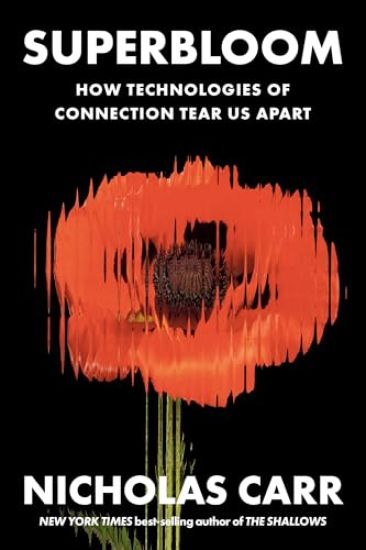
Superbloom

Superbloom

Nicholas Carr

WW NORTON CO
2026
nidottu
With rich psychological insights and vivid examples drawn from history and science, Superbloom provides both a panoramic view of how media shapes society and an intimate examination of the fate of the self in a time of radical dislocation. It may be too late to change the system, Nicholas Carr counsels, but it’s not too late to change ourselves.
Superbloom

Superbloom

Nicholas Carr

WW NORTON CO
2025
sidottu

Halvin toimitettuna 32,80 €

From the telegraph and telephone in the 1800s to the internet and social media in our own day, the public has welcomed new communication systems. Whenever people gain more power to share information, the assumption goes, society prospers. Superbloom tells a startlingly different story. As communication becomes more mechanised and efficient, it breeds confusion more than understanding, strife more than harmony. Media technologies all too often bring out the worst in us. A celebrated commentator on the human consequences of technology, Nicholas Carr reorients the conversation around modern communication, challenging some of our most cherished beliefs about self-expression, free speech and media democratisation. He reveals how messaging apps strip nuance from conversation, how “digital crowding” erodes empathy and triggers aggression, how online political debates narrow our minds and distort our perceptions and how advances in AI are further blurring the already hazy line between fantasy and reality. Even as Carr shows how tech companies and their tools of connection have failed us, he forces us to confront inconvenient truths about our own nature. The human psyche, it turns out, is profoundly ill-suited to the “superbloom” of information that technology has unleashed. With rich psychological insights and vivid examples drawn from history and science, Superbloom provides both a panoramic view of how media shapes society and an intimate examination of the fate of the self in a time of radical dislocation. It may be too late to change the system, Carr counsels, but it’s not too late to change ourselves.
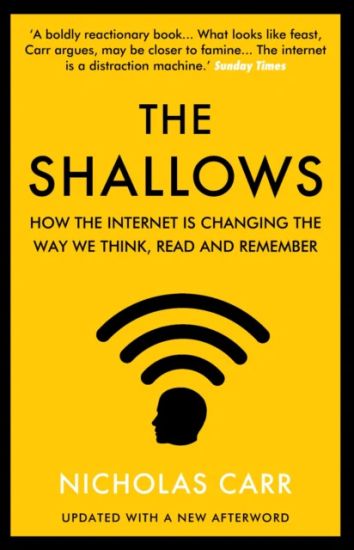
The Shallows

The Shallows

Nicholas Carr

Atlantic Books
2020
nidottu

Halvin toimitettuna 18,70 €

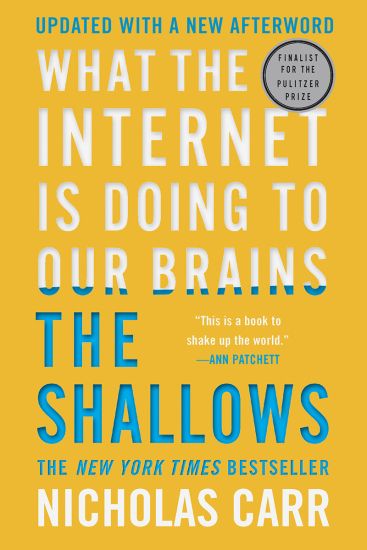
'Boldly reactionary... What looks like feast, Carr argues, may be closer to famine' Sunday Times'Chilling' The EconomistIn this ground-breaking and compelling book, Nicholas Carr argues that not since Gutenberg invented printing has humanity been exposed to such a mind-altering technology. The Shallows draws on the latest research to show that the Net is literally re-wiring our brains inducing only superficial understanding. As a consequence there are profound changes in the way we live and communicate, remember and socialise - even in our very conception of ourselves. By moving from the depths of thought to the shallows of distraction, the web, it seems, is actually fostering ignorance. The Shallows is not a manifesto for luddites, nor does it seek to turn back the clock. Rather it is a revelatory reminder of how far the Internet has become enmeshed in our daily existence and is affecting the way we think. This landmark book compels us all to look anew at our dependence on this all-pervasive technology. This 10th-anniversary edition includes a new afterword that brings the story up to date, with a deep examination of the cognitive and behavioural effects of smartphones and social media.
The Shallows: What the Internet Is Doing to Our Brains

The Shallows: What the Internet Is Doing to Our Brains

Nicholas Carr

W. W. Norton Company
2020
nidottu

Halvin toimitettuna 17,90 €

Nicholas Carr's bestseller The Shallows has become a foundational book in one of the most important debates of our time: As we enjoy the internet's bounties, are we sacrificing our ability to read and think deeply? This 10th-anniversary edition includes a new afterword that brings the story up to date, with a deep examination of the cognitive and behavioral effects of smartphones and social media.
Superficiales: Qué Está Haciendo Internet Con Nuestras Mentes / The Shallows
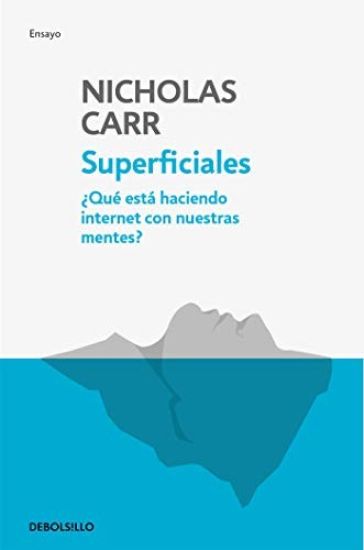
Qu est haciendo Internet con nuestras mentes? Este libro cambiar para siempre nuestro modo de entender y aprovechar las nuevas tecnolog as. « Google nos vuelve est pidos? Nicholas Carr condens as , en el t tulo de un c lebre art culo, uno de los debates m s importantes de nuestro tiempo: mientras disfrutamos de las bondades de la Red, estamos sacrificando nuestra capacidad para leer y pensar con profundidad? En este libro, Carr desarrolla sus argumentos para crear el m s revelador an lisis de las consecuencias intelectuales y culturales de Internet publicado hasta la fecha. Nuestro cerebro, como demuestran las evidencias cient ficas e hist ricas, cambia en respuesta a nuestras experiencias, y la tecnolog a que usamos para encontrar, almacenar y compartir informaci n puede, literalmente, alterar nuestros procesos neuronales. Adem s, cada tecnolog a de la informaci n conlleva una tica intelectual. As como el libro impreso serv a para centrar nuestra atenci n, fomentando el pensamiento profundo y creativo, Internet fomenta el picoteo r pido y distra do de peque os fragmentos de informaci n de muchas fuentes. Su tica es una tica industrial, de la velocidad y la eficiencia. La Red nos est reconfigurando a su propia imagen, volvi ndonos m s h biles para manejar y ojear superficialmente la informaci n pero menos capaces de concentraci n, contemplaci n y reflexi n. Este libro cambiar para siempre nuestro modo de entender y aprovechar las nuevas tecnolog as. ENGLISH DESCRIPTION Finalist for the 2011 Pulitzer Prize in General Nonfiction: "Nicholas Carr has written a Silent Spring for the literary mind.".-Michael Agger, Slate "Is Google making us stupid?" When Nicholas Carr posed that question, in a celebrated Atlantic Monthly cover story, he tapped into a well of anxiety about how the Internet is changing us. He also crystallized one of the most important debates of our time: As we enjoy the Net's bounties, are we sacrificing our ability to read and think deeply? Now, Carr expands his argument into the most compelling exploration of the Internet's intellectual and cultural consequences yet published. As he describes how human thought has been shaped through the centuries by "tools of the mind" from the alphabet to maps, to the printing press, the clock, and the computer Carr interweaves a fascinating account of recent discoveries in neuroscience by such pioneers as Michael Merzenich and Eric Kandel. Our brains, the historical and scientific evidence reveals, change in response to our experiences. The technologies we use to find, store, and share information can literally reroute our neural pathways. Building on the insights of thinkers from Plato to McLuhan, Carr makes a convincing case that every information technology carries an intellectual ethic a set of assumptions about the nature of knowledge and intelligence. He explains how the printed book served to focus our attention, promoting deep and creative thought. In stark contrast, the Internet encourages the rapid, distracted sampling of small bits of information from many sources. Its ethic is that of the industrialist, an ethic of speed and efficiency, of optimized production and consumption and now the Net is remaking us in its own image. We are becoming ever more adept at scanning and skimming, but what we are losing is our capacity for concentration, contemplation, and reflection. Part intellectual history, part popular science, and part cultural criticism, The Shallows sparkles with memorable vignettes Friedrich Nietzsche wrestling with a typewriter, Sigmund Freud dissecting the brains of sea creatures, Nathaniel Hawthorne contemplating the thunderous approach of a steam locomotive even as it plumbs profound questions about the state of our modern psyche. This is a book that will forever alter the way we think about media and our minds.

Utopia Is Creepy

Utopia Is Creepy

Nicholas Carr

WW Norton Co
2017
nidottu
Nicholas Carr has made his name as an incisive writer on our complicated relationship with technology. Utopia Is Creepy, a sharp and often funny indictment of our tech-besotted culture, collects essays drawn from Carr’s popular blog Rough Type as well as seminal pieces that first appeared in The Atlantic, the MIT Technology Review and The Wall Street Journal, to provide an alternative history of our digital age over the last ten years. Carr lays bare the pitfalls alongside the benefits of the internet age, and dissects the philistinism and misanthropy that underlie Silicon Valley’s “liberation mythology”. With assessments of some of the crucial issues of the day, from online surveillance to the state of public discourse, Carr puts his finger on today’s most pressing issues.
Utopia Is Creepy

Utopia Is Creepy

Nicholas Carr

WW Norton Co
2016
sidottu
With a razor wit, Nicholas Carr cuts through Silicon Valley’s unsettlingly cheery vision of the technological future to ask a hard question: Have we been seduced by a lie? Gathering a decade’s worth of posts from his blog, Rough Type, as well as his seminal essays, Utopia Is Creepy offers an alternative history of the digital age, chronicling its roller-coaster crazes and crashes, its blind triumphs, and its unintended consequences. Carr’s favorite targets are those zealots who believe so fervently in computers and data that they abandon common sense. Cheap digital tools do not make us all the next Fellini or Dylan. Social networks, diverting as they may be, are not vehicles for self-enlightenment. And “likes” and retweets are not going to elevate political discourse. When we expect technologies—designed for profit—to deliver a paradise of prosperity and convenience, we have forgotten ourselves. In response, Carr offers searching assessments of the future of work, the fate of reading, and the rise of artificial intelligence, challenging us to see our world anew. In famous essays including “Is Google Making Us Stupid?” and “Life, Liberty, and the Pursuit of Privacy,” Carr dissects the logic behind Silicon Valley’s “liberation mythology,” showing how technology has both enriched and imprisoned us—often at the same time. Drawing on artists ranging from Walt Whitman to the Clash, while weaving in the latest findings from science and sociology, Utopia Is Creepy compels us to question the technological momentum that has trapped us in its flow. “Resistance is never futile,” argues Carr, and this book delivers the proof.
Glass Cage

Glass Cage

Nicholas Carr

Random House UK
2016
pokkari
Reveals how automation is affecting our ability to solve problems, forge memories and acquire skills. This book shows how the most important decisions of our lives are now being made by machines and the radical effect this is having on our ability to learn. It argues that we must rethink its role in our lives.
The Glass Cage: How Our Computers Are Changing Us

The Glass Cage: How Our Computers Are Changing Us

Nicholas Carr

W. W. Norton Company
2015
nidottu
In The Glass Cage, best-selling author Nicholas Carr digs behind the headlines about factory robots and self-driving cars, wearable computers and digitized medicine, as he explores the hidden costs of granting software dominion over our work and our leisure. Even as they bring ease to our lives, these programs are stealing something essential from us. Drawing on psychological and neurological studies that underscore how tightly people's happiness and satisfaction are tied to performing hard work in the real world, Carr reveals something we already suspect: shifting our attention to computer screens can leave us disengaged and discontented. From nineteenth-century textile mills to the cockpits of modern jets, from the frozen hunting grounds of Inuit tribes to the sterile landscapes of GPS maps, The Glass Cage explores the impact of automation from a deeply human perspective, examining the personal as well as the economic consequences of our growing dependence on computers. With a characteristic blend of history and philosophy, poetry and science, Carr takes us on a journey from the work and early theory of Adam Smith and Alfred North Whitehead to the latest research into human attention, memory, and happiness, culminating in a moving meditation on how we can use technology to expand the human experience.
The Glass Cage

The Glass Cage

Nicholas Carr

WW Norton Co
2014
sidottu
In The Glass Cage, best-selling author Nicholas Carr digs behind the headlines about factory robots and self-driving cars, wearable computers and digitized medicine, as he explores the hidden costs of granting software dominion over our work and our leisure. Even as they bring ease to our lives, these programs are stealing something essential from us. Drawing on psychological and neurological studies that underscore how tightly people's happiness and satisfaction are tied to performing hard work in the real world, Carr reveals something we already suspect: shifting our attention to computer screens can leave us disengaged and discontented. From nineteenth-century textile mills to the cockpits of modern jets, from the frozen hunting grounds of Inuit tribes to the sterile landscapes of GPS maps, The Glass Cage explores the impact of automation from a deeply human perspective, examining the personal as well as the economic consequences of our growing dependence on computers. With a characteristic blend of history and philosophy, poetry and science, Carr takes us on a journey from the work and early theory of Adam Smith and Alfred North Whitehead to the latest research into human attention, memory, and happiness, culminating in a moving meditation on how we can use technology to expand the human experience.
The Big Switch

The Big Switch

Nicholas Carr

WW Norton Co
2013
nidottu
Hailed as “the most influential book so far on the cloud computing movement” (Christian Science Monitor), The Big Switch makes a simple and profound statement: Computing is turning into a utility, and the effects of this transition will ultimately change society as completely as the advent of cheap electricity did. In a new chapter for this edition that brings the story up-to-date, Nicholas Carr revisits the dramatic new world being conjured from the circuits of the “World Wide Computer.”
Stop What You're Doing And Read This!

Stop What You're Doing And Read This!

Mark Haddon; Michael Rosen; Zadie Smith; Carmen Callil; Jeanette Winterson; Tim Parks; Blake Morrison; Maryanne Wolf; Mirit Barzillai; Nicholas Carr; Jane Davis

Vintage
2011
pokkari
In any 24 hours there might be sleeping, eating, kids, parents, friends, lovers, work, school, travel, deadlines, emails, phone calls, Facebook, Twitter, the news, the TV, Playstation, music, movies, sport, responsibilities, passions, desires, dreams. Why should you stop what you're doing and read a book? People have always needed stories. We need literature - novels, poetry - because we need to make sense of our lives, test our depths, understand our joys and discover what humans are capable of. Great books can provide companionship when we are lonely or peacefulness in the midst of an overcrowded daily life. Reading provides a unique kind of pleasure and no-one should live without it. In the ten essays in this book some of our finest authors and passionate advocates from the worlds of science, publishing, technology and social enterprise tell us about the experience of reading, why access to books should never be taken forgranted, how reading transforms our brains, and how literature can save lives. In any 24 hours there are so many demands on your time and attention - make books one of them. Carmen Callil Tim ParksNicholas Carr Michael RosenJane Davis Zadie SmithMark Haddon Jeanette WintersonBlake Morrison Dr Maryanne Wolf & Dr Mirit Barzillai
The Shallows

The Shallows

Nicholas Carr

WW Norton Co
2010
sidottu
The New York Times bestseller that everyone is talking about . . . “Nicholas Carr has written a Silent Spring for the literary mind.” –Michael Agger, Slate “Witty, ambitious, and immensely readable, The Shallows actually manages to describe the weird, new, artificial world in which we now live.” —Dana Gioia, former Chairman of the National Endowment for the Arts “This is a lovely story well told – an ode to a quieter, less frenetic time when reading was more than skimming and thought was more than mere recitation.” —San Francisco Chronicle “Unceasingly interesting.” –The Sunday Times Is Google making us stupid? When Nicholas Carr posed that question in a celebrated Atlantic essay, he tapped into a well of anxiety about how the Internet is changing us. He also crystallized one of the most important debates of our time: As we enjoy the Net’s bounties, are we sacrificing our ability to read and think deeply? Now Carr expands his argument into the most compelling exploration of the Internet’s intellectual and cultural consequences yet published. As he describes how human thought has been shaped through the centuries by “tools of the mind” — from the alphabet, to maps, to the printing press, the clock, and the computer — Carr interweaves a fascinating account of recent discoveries in neuroscience by such pioneers as Michael Merzenich and Eric Kandel. Our brains, the historical and scientific evidence reveals, change in response to our experiences. The technologies we use to find, store, and share information can literally reroute our neural pathways. Building on the insights of thinkers from Plato to McLuhan, Carr makes a convincing case that every information technology carries an intellectual ethic — a set of assumptions about the nature of knowledge and intelligence. He explains how the printed book served to focus our attention, promoting deep and creative thought. In stark contrast, the Internet encourages the rapid, distracted sampling of small bits of information from many sources. Its ethic is the ethic of the industrialist, an ethic of speed and efficiency, of optimized production and consumption — and now the Net is remaking us in its own image. We are becoming ever more adept at scanning and skimming, but what we are losing is our capacity for concentration, contemplation, and reflection. Part intellectual history, part popular science, and part cultural criticism, The Shallows sparkles with memorable vignettes — Friedrich Nietzsche wrestling with a typewriter, Sigmund Freud dissecting the brains of sea creatures, Nathaniel Hawthorne contemplating the thunderous approach of a steam locomotive — even as it plumbs profound questions about the state of our modern psyche. This is a book that will forever alter the way we think about media and our minds
Pinnalliset

Pinnalliset

Nicholas Carr

Terra Cognita
2010
nidottu

Halvin toimitettuna 44,90 €

Tämä Nicholas Carrin kysymys kiteyttää yhden aikamme tärkeimmistä keskusteluista. Uhraammeko kykymme lukea ja ajatella syvällisesti, kun nautimme verkon hedelmistä? Tuleeko meistä pinnallisempia? Tässä kirjassa Carr tutkii internetin älyllisiä ja kulttuurisia vaikutuksia vakuuttavalla tavalla. Hän kuvaa, miten aakkosten, kirjapainon, kellon ja tietokoneen kaltaiset "mielen työkalut" ovat aikojen saatossa muokanneet ihmisen ajattelua nykyisen kulttuurin luoneeseen muotoon, ja esittelee kiehtovia uusia neurotieteen löydöksiä internetin vaikutuksista ajatteluumme. Historialliset ja tieteelliset todisteet paljastavat, että aivomme muuttuvat kokemustemme seurauksena. Informaation löytämiseen, tallentamiseen ja jakeluun käyttämämme teknologiat voivat kirjaimellisesti johdottaa aivomme uudelleen. Painettu kirja keskitti huomiomme ja kannusti syvään ja luovaan ajatteluun. Internet sen sijaan rohkaisee monista lähteistä tulevien informaation palojen nopeaan, hajamieliseen vilkaisuun. Internetillä on nopeuden ja tehokkuuden teollinen etiikka, jonka tarkoitus on optimoida tuotanto ja kulutus. Se ei suosi syvällisyyttä ja perusteellisuutta. Ja internet muokkaa meitä omaksi kuvakseen. Meistä tulee parempia skannaajia ja silmäilijöitä, mutta olemmeko menettämässä kykymme keskittyä, ajatella ja pohdiskella?
The Big Switch

The Big Switch

Nicholas Carr

WW Norton Co
2008
sidottu
An analysis of an evolving trend in computer-based business makes predictions about what will be its role in transforming economics and culture, in an account that evaluates how the shift from private computer systems to Internet-based networks has initiated a major revolution that will impact all components of society. 25,000 first printing.