Kirjojen hintavertailu – 12 859 824 kirjaa ja 27 kauppaa

Kirjailija

Nicholas Morieson

Kirjat ja teokset yhdessä paikassa: 6 kirjaa, julkaisuja vuosilta 2021–2026, suosituimpiin kuuluu Weaponizing Civilizationalism for Authoritarianism. Vertaile teosten hintoja ja tarkista saatavuus suomalaisista kirjakaupoista.

6 kirjaa

Kirjojen julkaisuvuodet: 2021–2026.

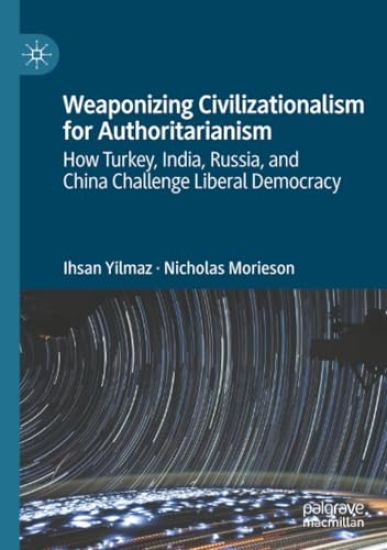
Weaponizing Civilizationalism for Authoritarianism

Weaponizing Civilizationalism for Authoritarianism

Yilmaz Ihsan; Nicholas Morieson

Springer Verlag Singapore
2026
Nidottu
This book, based on a systematic analysis of leaders' speeches, examines how regimes in Turkey, India, Russia, and China strategically weaponize the concept of 'civilization' along with emotional appeals, such as pride, fear, and nostalgia, to challenge global liberal democratic norms. As the influence of liberal democracy wanes, these nations increasingly declare themselves ‘civilization-states’. By redefining national identity to include peoples living in foreign countries, justifying belligerence abroad, and reinforcing anti-democratic practices domestically, these regimes position themselves as guardians of transnational peoples with distinctive civilizational values. This is the first book to systematically explore how and why these states leverage civilization and emotional manipulation to reshape both domestic politics and international relations.

Weaponizing Civilizationalism for Authoritarianism

Weaponizing Civilizationalism for Authoritarianism

Ihsan Yilmaz; Nicholas Morieson

SPRINGER VERLAG, SINGAPORE
2025
sidottu

Halvin toimitettuna 187,60 €

This book, based on a systematic analysis of leaders' speeches, examines how regimes in Turkey, India, Russia, and China strategically weaponize the concept of 'civilization' along with emotional appeals, such as pride, fear, and nostalgia, to challenge global liberal democratic norms. As the influence of liberal democracy wanes, these nations increasingly declare themselves ‘civilization-states’. By redefining national identity to include peoples living in foreign countries, justifying belligerence abroad, and reinforcing anti-democratic practices domestically, these regimes position themselves as guardians of transnational peoples with distinctive civilizational values. This is the first book to systematically explore how and why these states leverage civilization and emotional manipulation to reshape both domestic politics and international relations.
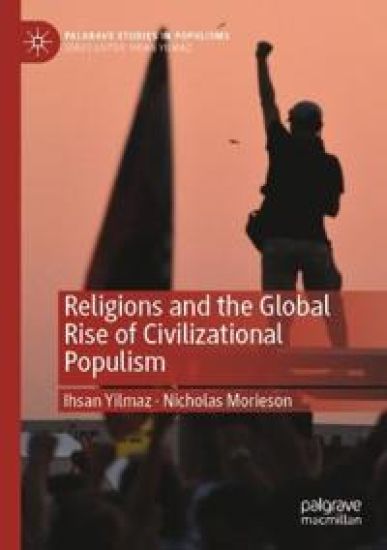
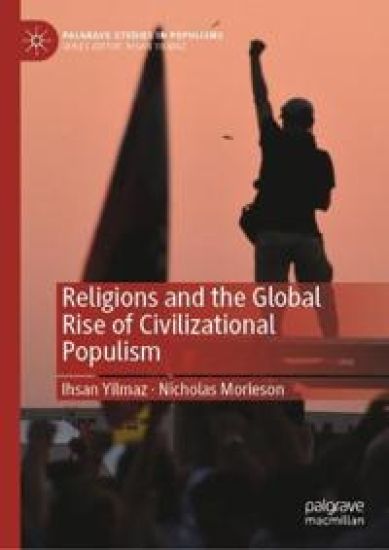
Religions and the Global Rise of Civilizational Populism

Religions and the Global Rise of Civilizational Populism

Ihsan Yilmaz; Nicholas Morieson

SPRINGER VERLAG, SINGAPORE
2024
nidottu
This books explores the rise of civilizational populism throughout the world, and its consequences. Civilizational populism posits that democracy ought to be based upon enacting the ‘people’s will’, yet it adds a new and troubling dimension to populism’s thin ideology: a civilization based classification of peoples and division of society. Today, we increasingly find not conflict between civilizations, but conflict within states over their civilizational identity. From Western Europe to Turkey, and from India and Pakistan to Indonesia, populists are increasingly employing a civilization based classification of peoples in order to define the identities of ‘the people’ and their perceived enemies. This book is the first to examine civilizational populism as global phenomenon rather than a uniquely Western form of politics. Through a series of case studies, the book examines the role played by religion in forming civilizational identities, but also investigates the often deleterious consequences of civilizational populism entering the political mainstream.
Religions and the Global Rise of Civilizational Populism

Religions and the Global Rise of Civilizational Populism

Ihsan Yilmaz; Nicholas Morieson

SPRINGER VERLAG, SINGAPORE
2023
sidottu
This books explores the rise of civilizational populism throughout the world, and its consequences. Civilizational populism posits that democracy ought to be based upon enacting the ‘people’s will’, yet it adds a new and troubling dimension to populism’s thin ideology: a civilization based classification of peoples and division of society. Today, we increasingly find not conflict between civilizations, but conflict within states over their civilizational identity. From Western Europe to Turkey, and from India and Pakistan to Indonesia, populists are increasingly employing a civilization based classification of peoples in order to define the identities of ‘the people’ and their perceived enemies. This book is the first to examine civilizational populism as global phenomenon rather than a uniquely Western form of politics. Through a series of case studies, the book examines the role played by religion in forming civilizational identities, but also investigates the often deleterious consequences of civilizational populism entering the political mainstream.