Kirjojen hintavertailu – 12 903 733 kirjaa ja 27 kauppaa

Kirjailija

Nick Lambert

Kirjat ja teokset yhdessä paikassa: 5 kirjaa, julkaisuja vuosilta 2008–2019, suosituimpiin kuuluu Jews and Europe in the Twenty-First Century. Vertaile teosten hintoja ja tarkista saatavuus suomalaisista kirjakaupoista.

5 kirjaa

Kirjojen julkaisuvuodet: 2008–2019.

Technology and the Blue Economy

Technology and the Blue Economy

Nick Lambert; Jonathan Turner; Andy Hamflett

Kogan Page Ltd
2019
sidottu
70 per cent of the planet is covered by water, and 90 per cent of global economic trade is transported by sea. The world's seas and oceans are big business. Based on gross marine product, the ocean can be considered the world's seventh-largest economy, with the total global value of the Blue Economy predicted to rise to $3 trillion by 2030. Grounded in detailed market research, and brought to life through over 250 meticulously researched case studies, Technology and the Blue Economy presents a compelling overview of an inspiring and innovative sector that includes offshore renewable energy, ports and harbours, shipping, maritime surveillance, cyber security, aquaculture and ocean conservation. It tackles questions like these: · With Earth observation satellites providing unprecedented levels of data about the ocean, can machine learning capabilities develop at pace to make sense of all this new information? · How can ships protect themselves when one shipping firm alone records 50,000 daily attempts to breach its cyber security systems? · With floating wind farms now pushing further out to sea to convert natural energy, what role do robots have in managing essential maintenance in these more remote environments? · When passenger ferries are already sailing themselves and self-docking in port without human intervention, are we entering an age where human error is eradicated? · With fish farming predicted to account for 62 per cent of all the seafood consumed globally by 2030, how can 3D imaging cameras and net-cleaning robots help to stop mass deaths of fish that can run into millions in a single incident? · In the age of smartphone ubiquity, how important a role might social media and citizen science play in ocean conservation? · With luxury cruise ships now marketing themselves as 'smart, connected cities', crunching passenger data in real-time, do they now provide the gold standard of customer experience within the tourist industry? · Is optical scanning technology the solution to countering slavery at sea, a real concern in the south-east Asian fishing industry? · Can satellite-enabled tracking and autonomous clean-up systems help to counter one of the greatest conservation issues of the day - the fight against ocean plastic pollution? Technology and the Blue Economy explores how innovators can develop the right business models to capitalize on growth opportunities, and analyses the critical success factors for emerging technologies.
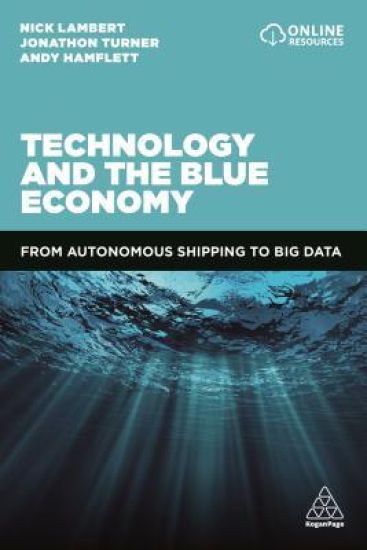
Technology and the Blue Economy

Technology and the Blue Economy

Nick Lambert; Jonathan Turner; Andy Hamflett

Kogan Page Ltd
2019
nidottu
70 per cent of the planet is covered by water, and 90 per cent of global economic trade is transported by sea. The world's seas and oceans are big business. Based on gross marine product, the ocean can be considered the world's seventh-largest economy, with the total global value of the Blue Economy predicted to rise to $3 trillion by 2030. Grounded in detailed market research, and brought to life through over 250 meticulously researched case studies, Technology and the Blue Economy presents a compelling overview of an inspiring and innovative sector that includes offshore renewable energy, ports and harbours, shipping, maritime surveillance, cyber security, aquaculture and ocean conservation. It tackles questions like these: · With Earth observation satellites providing unprecedented levels of data about the ocean, can machine learning capabilities develop at pace to make sense of all this new information? · How can ships protect themselves when one shipping firm alone records 50,000 daily attempts to breach its cyber security systems? · With floating wind farms now pushing further out to sea to convert natural energy, what role do robots have in managing essential maintenance in these more remote environments? · When passenger ferries are already sailing themselves and self-docking in port without human intervention, are we entering an age where human error is eradicated? · With fish farming predicted to account for 62 per cent of all the seafood consumed globally by 2030, how can 3D imaging cameras and net-cleaning robots help to stop mass deaths of fish that can run into millions in a single incident? · In the age of smartphone ubiquity, how important a role might social media and citizen science play in ocean conservation? · With luxury cruise ships now marketing themselves as 'smart, connected cities', crunching passenger data in real-time, do they now provide the gold standard of customer experience within the tourist industry? · Is optical scanning technology the solution to countering slavery at sea, a real concern in the south-east Asian fishing industry? · Can satellite-enabled tracking and autonomous clean-up systems help to counter one of the greatest conservation issues of the day - the fight against ocean plastic pollution? Technology and the Blue Economy explores how innovators can develop the right business models to capitalize on growth opportunities, and analyses the critical success factors for emerging technologies.
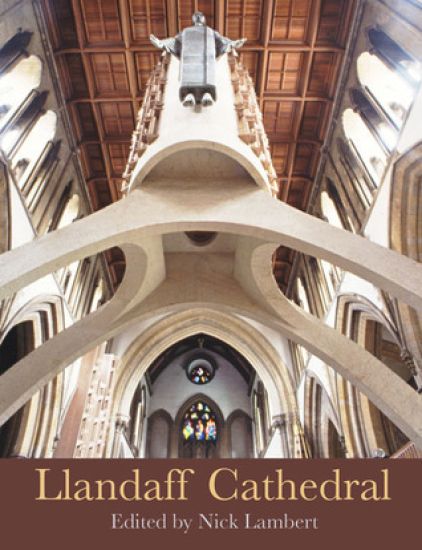
Llandaff Cathedral

Llandaff Cathedral

Nick Lambert

Seren
2009
nidottu
This is the first new book to be published about Llandaff Cathedral for more than a century. As the seat of the Archbishop of Wales, Llandaff is the hub of the Church in Wales. The cathedral dates to the eleventh century and is one of the landmark buildings of both Cardiff and Wales. In this welcome and overdue book expert authors guide us through the history, architecture, art and heritage of the cathedral from Roman times to the twenty-first century. The building and its ornamentation include almost every style in that long period as it was developed through extension, refurbishment and redevelopment. The story includes resurrection from extensive bomb damage during the Second World War and the controversial majestas by Epstein that made the cathedral national news in the sixties. Accessibly written for the lay reader, the book is lavishly illustrated with line drawings, plans, and archive and contemporary photographs. The research for the book has brought to light fascinating, never before seen images from the cathedral archive and elsewhere. Essay subjects include:The Cathedral until the ReformationThree Centuries, Three RestorationsArt in the CathedralCathedral GlassA Brief History of the Llandaff BellsMusic in the CathedralAuthors:Pat Aithie is a photographer, artist and writerNick Lambert is researcher in architectural history at the School of Architecture and the Built Environment, University of Westminster. Nevil James is the former archivist at the Cathedral. Canon Graham Holcombe is responsible for all aspects of music at the Cathedral. Nick Lambert is researcher in architectural history at the School of Architecture and the Built Environment, University of Westminster.
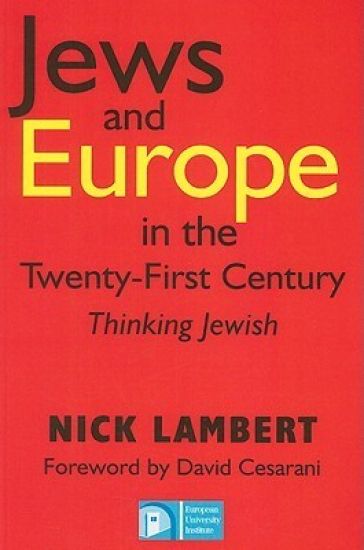
Jews and Europe in the Twenty-First Century

Jews and Europe in the Twenty-First Century

Nick Lambert

Vallentine Mitchell Co Ltd
2008
sidottu
"Jews and Europe in the Twenty-First Century" is a collection of interviews with more than ninety prominent Jewish intellectuals, politicians, writers and scientists from across Western Europe. Nick Lambert's penetrating interviews and analyses reveal their thoughts, fears and hopes for the future. Deep disquiet and insecurity, even among those who hold 'establishment' positions, is uncovered. The author also explores why Jews have not been involved in constructing the European Union - and shows why they should have been. He concludes that Jews will continue to observe the shaping of the European project from an upstairs window - with most longing to be part of a Europe which has now vanished, or been extinguished, and which some of the interviewees admit to having attempted to sustain in their novel-writing. In this unique collection the interviewees reveal that they have often felt alien both to Jewish communal life and to the national societies in which they live, with their relationship to Israel a further controversial area. Lambert shows that we are approaching a time of cultural clashes between different groups of Jews in Europe, in which the future of Jewish identity will be rooted either in Western liberal values or in stricter religious observance. In an age in which political Islam dominates the headlines, this book provides an insider's view of life among another seminal, divided, yet often forgotten group in Europe.