Kirjojen hintavertailu – 12 903 725 kirjaa ja 27 kauppaa

Kirjailija

Nicole Graham

Kirjat ja teokset yhdessä paikassa: 5 kirjaa, julkaisuja vuosilta 2010–2025, suosituimpiin kuuluu Feminism and the Religious Significance of Laughing Bodies. Vertaile teosten hintoja ja tarkista saatavuus suomalaisista kirjakaupoista.

5 kirjaa

Kirjojen julkaisuvuodet: 2010–2025.

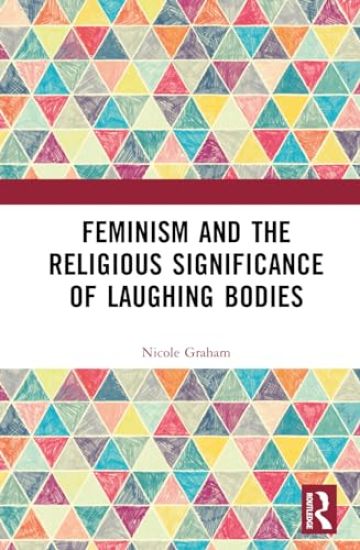
Feminism and the Religious Significance of Laughing Bodies
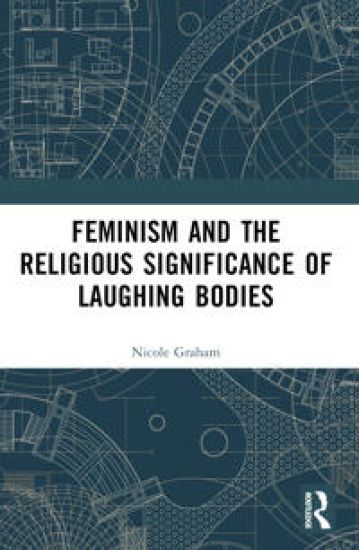
This book identifies the significance of the body through a feminist reconceptualisation of laughter as a means of insight. It positions itself within the emerging scholarship on religion and humour but distinguishes itself by moving away from the emphasis on humour and instead focuses on the place and role of laughter. Through a feminist reading of laughter, which is grounded in the philosophical and psychological works of William James, this book emphasises the importance of the body to offer an exploration of laughter as a means of insight. In doing so, it challenges the classificatory orders of knowledge by recognising and arguing for the value of the body in the creation of knowledge and understanding. To demonstrate the centrality of the body for insight laughter, and thus the creation of knowledge, this book engages with laughter within three thematic areas: religious experience, gendered experiences of laughter, and the ethics of laughter. This book will be of interest to students and researchers in religious studies, theology, gender studies, humour studies, philosophy, and the history of ideas.
Stand-up Comedy, Theology, and Ethics

Stand-up Comedy, Theology, and Ethics

Jacob D. Myers; Nicole Graham

BLOOMSBURY PUBLISHING PLC
2025
sidottu
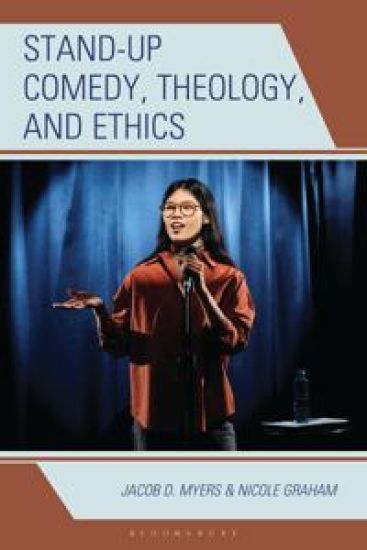
Bringing together the distinct but connected disciplines of theology and ethics, Stand-up Comedy, Theology, and Ethics adds to the growing field of humor and religion. Beginning by re-considering what we know about jokes and laughter, the authors propose that more attention needs to be paid to the quasi-sacramental, magical quality of jokes and the ways laughter can shift the affective states of an audience. They then turn their attention to key issues and debates within stand-up comedy. First, is the comical legitimacy or illegitimacy of comedians who employ humor ambiguously so that we are not sure at who or what they are “punching”. Second, is the phenomenon of canceling comedians for their behavior off stage. Third, is the sociopolitical possibilities of stand-up. Ultimately, the authors argue that there is theological, religious, and ethical significance to contemporary stand-up comedy.
Feminism and the Religious Significance of Laughing Bodies
This book identifies the significance of the body through a feminist reconceptualisation of laughter as a means of insight. It positions itself within the emerging scholarship on religion and humour but distinguishes itself by moving away from the emphasis on humour and instead focuses on the place and role of laughter. Through a feminist reading of laughter, which is grounded in the philosophical and psychological works of William James, this book emphasises the importance of the body to offer an exploration of laughter as a means of insight. In doing so, it challenges the classificatory orders of knowledge by recognising and arguing for the value of the body in the creation of knowledge and understanding. To demonstrate the centrality of the body for insight laughter, and thus the creation of knowledge, this book engages with laughter within three thematic areas: religious experience, gendered experiences of laughter, and the ethics of laughter. This book will be of interest to students and researchers in religious studies, theology, gender studies, humour studies, philosophy, and the history of ideas.
Lawscape

Lawscape

Nicole Graham

Routledge Cavendish
2011
nidottu
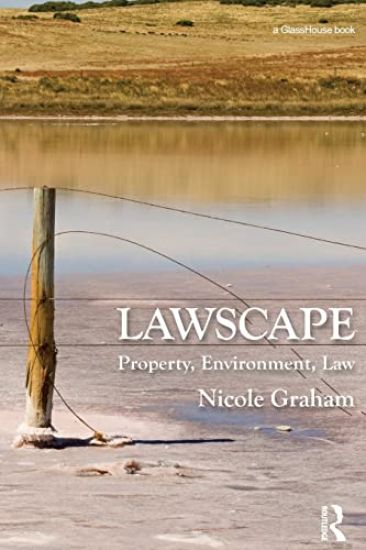
Lawscape: Property, Environment, Law considers the ways in which property law transforms both natural environments and social economies. Addressing law's relationship to land and natural resources through its property regime, Lawscape engages the abstract philosophy of property law with the material environments of place. Whilst most accounts of land law have contributed cultural analyses of historical and political value predominantly through the lens of property rights, few have contributed analyses of the natural consequences of property law through the lens of property responsibilities. Lawscape does this by addressing the relationship between the commodification of land, instituted in and by property law, and ecological and economic histories. Its synthesis of property law and environmental law provides a genuinely transdisciplinary analysis of the particular cultural concepts and practices of land tenure that have been created, and exported, across the globe.
Lawscape

Lawscape

Nicole Graham

Routledge Cavendish
2010
sidottu
Lawscape: Property, Environment, Law considers the ways in which property law transforms both natural environments and social economies. Addressing law's relationship to land and natural resources through its property regime, Lawscape engages the abstract philosophy of property law with the material environments of place. Whilst most accounts of land law have contributed cultural analyses of historical and political value predominantly through the lens of property rights, few have contributed analyses of the natural consequences of property law through the lens of property responsibilities. Lawscape does this by addressing the relationship between the commodification of land, instituted in and by property law, and ecological and economic histories. Its synthesis of property law and environmental law provides a genuinely transdisciplinary analysis of the particular cultural concepts and practices of land tenure that have been created, and exported, across the globe.