Kirjojen hintavertailu – 12 859 827 kirjaa ja 27 kauppaa

Kirjailija

Nicoletta Vallorani

Kirjat ja teokset yhdessä paikassa: 3 kirjaa, julkaisuja vuosilta 2021–2022, suosituimpiin kuuluu Freetaly. Vertaile teosten hintoja ja tarkista saatavuus suomalaisista kirjakaupoista.

3 kirjaa

Kirjojen julkaisuvuodet: 2021–2022.

Freetaly

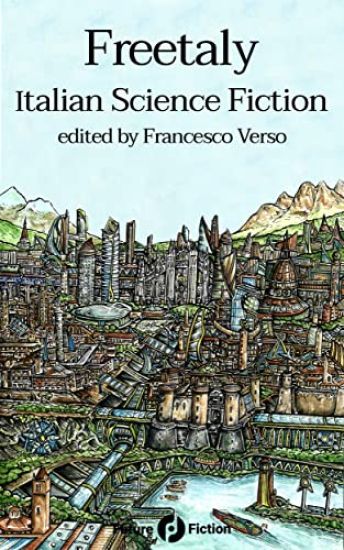
Freetaly

Clelia Farris; Nicoletta Vallorani; Francesca Conforti

Future Fiction
2022
pokkari
From the otherworldly voyage depicted in Dante's Divina Commedia and the early modern utopias by Giordano Bruno and Tommaso Campanella, up through the proto-SF of Primo Levi and the Imaginary Fiction of Tommaso Landolfi and Italo Calvino, Italy has always been a cradle of fantastic literature. This anthology highlights the works of award-winning and emerging writers of contemporary Italian science fiction and will introduce international readers to exciting stories they wouldn't otherwise be able to read. Represented here are some of the winners of the Urania Award (Italy's most prestigious SF award), authors published by major Italian publishing houses, with stories that explore a wide range of topics, including bio-ethical issues, AI, transhumanism and posthumanism, climate fiction, and environmental concerns. Embrace the Science Fiction Renaissance of Italian literature Table of contentIntroduction: Contemporary Italian SF by Francesco VersoLinda De Santi - BeautymarkFrancesco Grasso - The Race of CrowsAndrea Viscusi - Bad parentsNicoletta Vallorani - The Catalog of VirginsClelia Farris - In bloomFrancesco Verso - The Green ShipMichele Piccolino - The Love AlgorithmRomina Braggion - Flower QueenRoberto Quaglia and Ian Watson - The Moby Clitoris of His BelovedAlessandro Fambrini e Stefano Carducci - China on the MoonAlessandro Vietti - Being OvalFrancesca Conforti - RewardAlda Teodorani - Pony and CowTranslations by Carlotta Codeb , Sally McCorry, Micheal Colbert, Rachael Cordasco, and Amanda Blee.
The Relocation of Culture

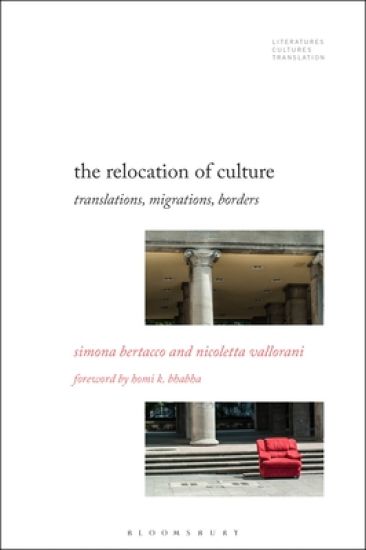
The Relocation of Culture

Simona Bertacco; Nicoletta Vallorani; Homi Bhabha

Bloomsbury Academic USA
2021
nidottu
The Relocation of Culture is about accents and borders—about people and cultures that have accents and that cross borders. It is a book that deals with translation and nomadic identities, and with the many ways in which the increasing relevance of forced migrations has affected the practice of languages and the understanding of cultures in our times. Simona Bertacco and Nicoletta Vallorani examine the theoretical and practical nexus of translation and migration, two of the most visible and anxiety-producing keywords of our age, and use translation as the method for a global cultural theory firmly based in the humanities, both as creative output and interdisciplinary scholarship. Positioning their work within the field of translation studies with important borrowings from literary and cultural studies, visual and migration studies, the authors suggest a theory of translation that makes space for complexity, considers different “languages” (words, images, sounds, bodies), and takes into account both our emotional, pre-linguistic and instinctual reaction to the other as an invader and an enemy and the responsibility for the other that lies at the heart of translation. This process necessarily involves a reflection on the location and relocation of cultures in contemporary times.
The Relocation of Culture

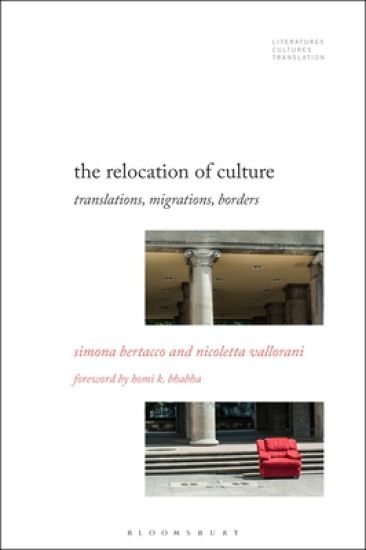
The Relocation of Culture

Simona Bertacco; Nicoletta Vallorani; Homi Bhabha

Bloomsbury Academic USA
2021
sidottu
The Relocation of Culture is about accents and borders—about people and cultures that have accents and that cross borders. It is a book that deals with translation and nomadic identities, and with the many ways in which the increasing relevance of forced migrations has affected the practice of languages and the understanding of cultures in our times. Simona Bertacco and Nicoletta Vallorani examine the theoretical and practical nexus of translation and migration, two of the most visible and anxiety-producing keywords of our age, and use translation as the method for a global cultural theory firmly based in the humanities, both as creative output and interdisciplinary scholarship. Positioning their work within the field of translation studies with important borrowings from literary and cultural studies, visual and migration studies, the authors suggest a theory of translation that makes space for complexity, considers different “languages” (words, images, sounds, bodies), and takes into account both our emotional, pre-linguistic and instinctual reaction to the other as an invader and an enemy and the responsibility for the other that lies at the heart of translation. This process necessarily involves a reflection on the location and relocation of cultures in contemporary times.