
Kirjojen hintavertailu – 12 903 725 kirjaa ja 27 kauppaa

Kirjailija

Nigel Haworth

Kirjat ja teokset yhdessä paikassa: 2 kirjaa, julkaisuja vuodelta 2010, suosituimpiin kuuluu International Labour Organization (ILO). Vertaile teosten hintoja ja tarkista saatavuus suomalaisista kirjakaupoista.

2 kirjaa

International Labour Organization (ILO)

International Labour Organization (ILO)

Steve Hughes; Nigel Haworth

Routledge
2010
sidottu
The International Labour Organization (ILO) is broadening its agenda and carving out a role as a key player in global economic policy-making, and this volume provides a succinct and comprehensive guide to this important organization. By charting the history and development of the ILO and examining its key functions and structure the authors offer a clear and detailed account of its work, and provide an important discussion of the current criticisms and debates that surround the organization. The work moves on to discuss the position that the ILO takes in our understanding of global governance and seeks to evaluate the impact of emerging issues such as the global economic crisis, and critically examines the future direction of the organization. This fresh and accessible account of the International Labour Organization provides an excellent understanding of its purpose and structure and will be of interest to all students of international politics, international organizations and international political economy.
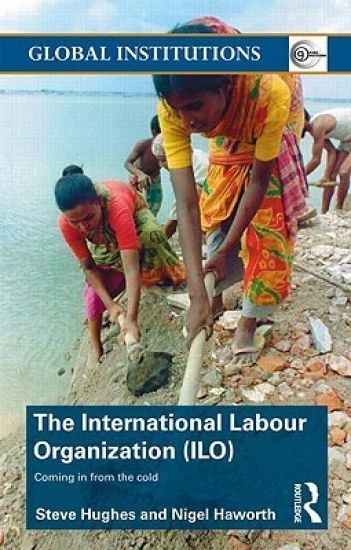
International Labour Organization (ILO)

International Labour Organization (ILO)

Steve Hughes; Nigel Haworth

Routledge
2010
nidottu
The International Labour Organization (ILO) is broadening its agenda and carving out a role as a key player in global economic policy-making, and this volume provides a succinct and comprehensive guide to this important organization. By charting the history and development of the ILO and examining its key functions and structure the authors offer a clear and detailed account of its work, and provide an important discussion of the current criticisms and debates that surround the organization. The work moves on to discuss the position that the ILO takes in our understanding of global governance and seeks to evaluate the impact of emerging issues such as the global economic crisis, and critically examines the future direction of the organization. This fresh and accessible account of the International Labour Organization provides an excellent understanding of its purpose and structure and will be of interest to all students of international politics, international organizations and international political economy.