Kirjojen hintavertailu – 12 903 725 kirjaa ja 27 kauppaa

Kirjailija

Nigel Spivey

Kirjat ja teokset yhdessä paikassa: 5 kirjaa, julkaisuja vuosilta 1997–2021, suosituimpiin kuuluu Classical Civilization. Vertaile teosten hintoja ja tarkista saatavuus suomalaisista kirjakaupoista.

5 kirjaa

Kirjojen julkaisuvuodet: 1997–2021.

Ruins

Ruins

Gabriele Tinti; Nigel Spivey

URTEXT LTD
2021
nidottu
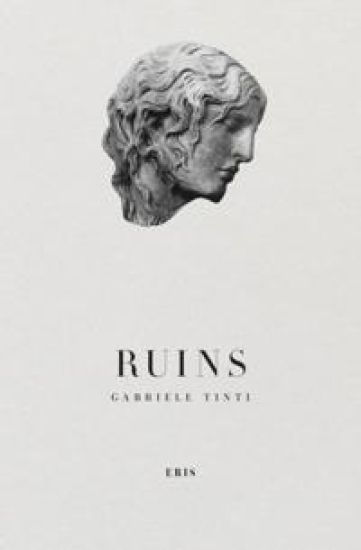
Ruins gathers a series of writings in the form of verses, fragments, and short essays that Gabriele Tinti has dedicated to the “living sculpture of the actor”. The poet moves from the tragic sense of death and vacuity which afflicts even those masterpieces we wish eternal, with the aim of giving new life and thought to Graeco-Roman statuary, to all those relics of a now-lost humanity. Through its many courses and varied ideas, the book explores a distinctive relationship with the ancient world, and with the very reasons behind the making of art. This volume is the culmination of live readings by some of the best-known actors of our time (James Cosmo, Marton Csokas, Robert Davi, Abel Ferrara, Stephen Fry, Alessandro Haber, Joe Mantegna, Malcolm McDowell, Jamie McShane, Franco Nero, Vincent Piazza, Michele Placido, and Kevin Spacey), all performed before important works of ancient art. Ruins includes essays by the eminent scholars of ancient art Seán Hemingway (Metropolitan Museum), Kenneth Lapatin (Getty Museum), Christian Gliwitzky (Staatliche Antikensammlungen und Glyptothek), Andrew Stewart (UC Berkeley), Lynda Nead (Birkbeck, University of London), and Nigel Spivey (University of Cambridge).
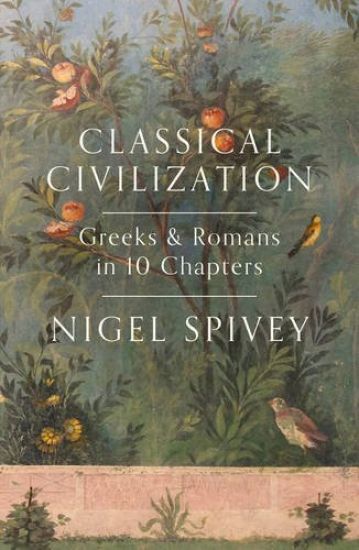
Classical Civilization

Classical Civilization

Nigel Spivey

Head of Zeus
2016
nidottu
A concise and accessible study of the foundations, development and enduring legacy of the cultures of Greece and Rome, centred on ten locations of seminal importance in the development of Classical civilisation. Starting with Troy, where history, myth and cosmology fuse to form the origins of Classical civilisation, Nigel Spivey explores the contrasting politics of Athens and Sparta, the diffusion of classical ideals across the Mediterranean world, Classical science and philosophy, the eastward export of Greek culture with the conquests of Alexander the Great, the power and spread of the Roman imperium, and the long Byzantine twilight of Antiquity. A secure grasp of the nature of our Greek and Roman heritage is absolutely fundamental to a true understanding of contemporary European society and culture. Nigel Spivey outlines and explains that heritage with supreme passion, rigour and clarity.
Greek Sculpture

Greek Sculpture

Nigel Spivey

Cambridge University Press
2013
pokkari
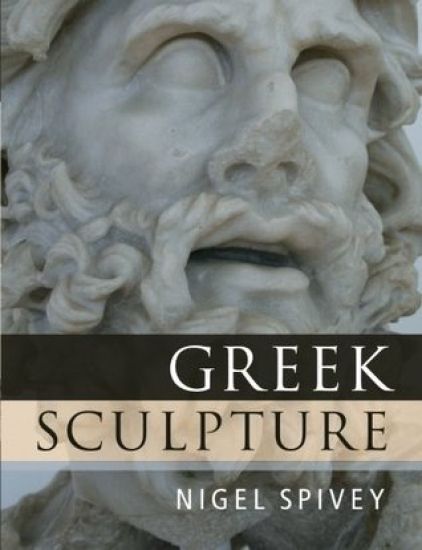
Ancient Greek sculpture seems to have a timeless quality – provoking reactions that may range from awe to alienation. Yet it was a particular product of its age: and to know how and why it was once created is to embark upon an understanding of its 'Classic' status. In this richly illustrated and carefully written survey, encompassing works from c.700 BC to the end of antiquity, Nigel Spivey expounds not only the social function of Greek sculpture but also its aesthetic and technical achievement. Fresh approaches are reconciled with traditional modes of study as the connoisseurship of this art is sympathetically unravelled, while source material and historical narratives are woven into detailed explanations, putting the art into its proper context. Greek Sculpture is the ideal textbook for students of classics, classical civilisation, art history and archaeology – and an accessible account for all interested readers.
The Ancient Olympics

The Ancient Olympics

Nigel Spivey

Oxford University Press
2012
nidottu
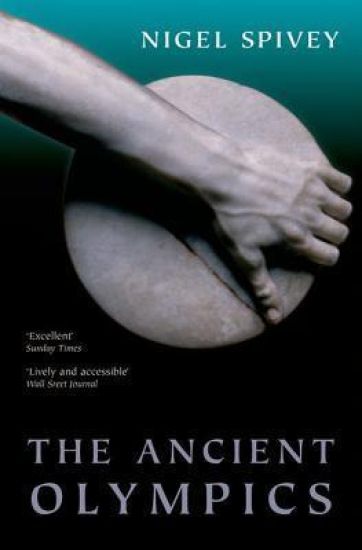
The word 'athletics' is derived from the Greek verb 'to struggle for a prize'. After reading this book, no one will see the Olympics as a graceful display of Greek beauty again, but as war by other means. Nigel Spivey paints a portrait of the Greek Olympics as they really were - fierce contests between bitter rivals, in which victors won kudos and rewards, and losers faced scorn and even assault. Victory was almost worth dying for, and a number of athletes did just that. Many more resorted to cheating and bribery. Contested always bitterly and often bloodily, the ancient Olympics were not an idealistic celebration of unity, but a clash of military powers in an arena not far removed from the battlefield.
Etruscan Art

Etruscan Art

Nigel Spivey

Thames Hudson Ltd
1997
nidottu
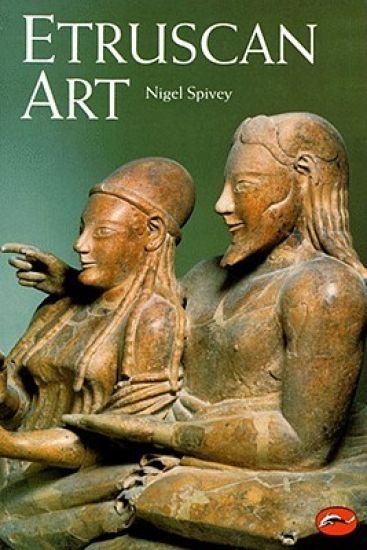
The Etruscans are one of the enigmas of history. A cultured, artistic, socially adept and seemingly tolerant and pleasure-loving people, they dominated Central Italy for 800 years until their civilization was absorbed and their identity obliterated by the growing power of Rome in the fourth and third centuries BC. During the last 400 years their art has come to be appreciated and enjoyed; rich archaeological evidence survives despite a continuing history of pillage, with the emergence of richly frescoed tombs, exquisite jewelry and sculpture, metalwork and painted vases at sites such as Ceverteri, Tarquinia and Vulci paying testament to the rich artistic culture of the Etruscans. The author has also written "Understanding Greek Sculpture".