
Kirjojen hintavertailu – 12 859 818 kirjaa ja 27 kauppaa

Kirjailija

Niina Meriläinen

Kirjat ja teokset yhdessä paikassa: 2 kirjaa, julkaisuja vuosilta 2024–2026, suosituimpiin kuuluu Deaf People, Injustice and Reconciliation. Vertaile teosten hintoja ja tarkista saatavuus suomalaisista kirjakaupoista.

2 kirjaa

Kirjojen julkaisuvuodet: 2024–2026.

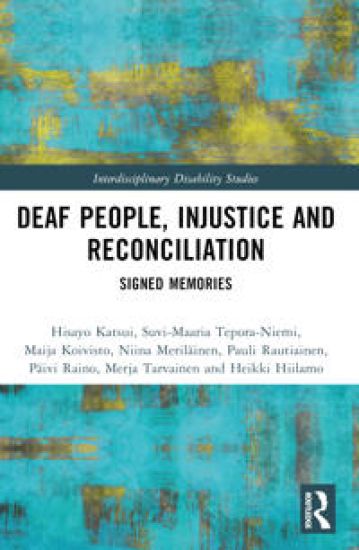
Deaf People, Injustice and Reconciliation

Deaf People, Injustice and Reconciliation

Hisayo Katsui; Maija Koivisto; Pauli Rautiainen; Niina Meriläinen; Suvi-Maaria Tepora-Niemi; Merja Tarvainen; Päivi Raino; Heikki Hiilamo

TAYLOR FRANCIS LTD
2026
nidottu
This book focuses on injustices that have taken place to deaf people and the sign language community in Finland from 1900. For decades, memories and stories about past injustices have been passed down from one generation to another among deaf people and the sign language community. This research explains this history from the perspective of deaf people and their community and contributes to the truth and reconciliation process of the Finnish Government with the community, which is globally the first of its kind. Using participatory research methods, it is relevant for Disability Studies, Social Work, and Human Rights Studies, Political Science and History.
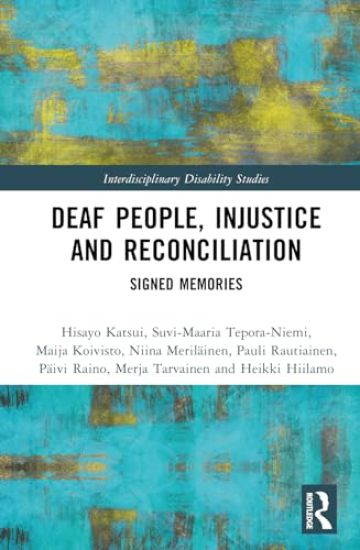
Deaf People, Injustice and Reconciliation

Deaf People, Injustice and Reconciliation

Hisayo Katsui; Maija Koivisto; Pauli Rautiainen; Niina Meriläinen; Suvi-Maaria Tepora-Niemi; Merja Tarvainen; Päivi Raino; Heikki Hiilamo

TAYLOR FRANCIS LTD
2024
sidottu
This book focuses on injustices that have taken place to deaf people and the sign language community in Finland from 1900. For decades, memories and stories about past injustices have been passed down from one generation to another among deaf people and the sign language community. This research explains this history from the perspective of deaf people and their community and contributes to the truth and reconciliation process of the Finnish Government with the community, which is globally the first of its kind. Using participatory research methods, it is relevant for Disability Studies, Social Work, and Human Rights Studies, Political Science and History.