Kirjojen hintavertailu – 12 859 818 kirjaa ja 27 kauppaa

Kirjailija

Niklas Bremberg

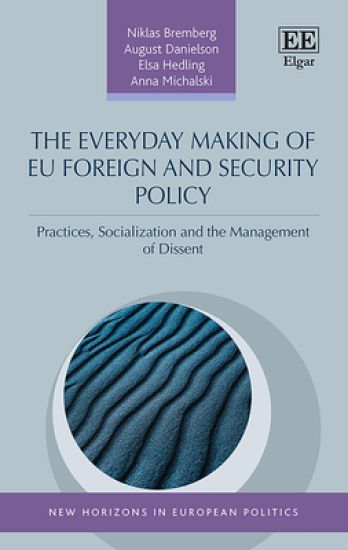
Kirjat ja teokset yhdessä paikassa: 5 kirjaa, julkaisuja vuosilta 2015–2024, suosituimpiin kuuluu The Everyday Making of EU Foreign and Security Policy. Vertaile teosten hintoja ja tarkista saatavuus suomalaisista kirjakaupoista.

5 kirjaa

Kirjojen julkaisuvuodet: 2015–2024.

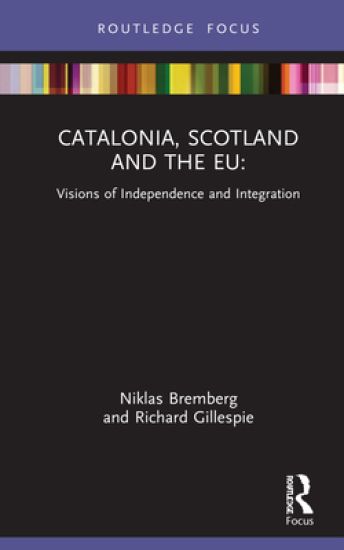
Catalonia, Scotland and the EU:

Catalonia, Scotland and the EU:

Niklas Bremberg; Richard Gillespie

TAYLOR FRANCIS LTD
2024
nidottu
The electoral success of secessionist parties in Catalonia and Scotland over the last decade, together with Brexit and the support for Eurosceptic parties in many EU member states, have prompted a rethink of many taken-for-granted notions about politics in Spain, the UK and the EU. Secessionist parties in Catalonia and Scotland often combine calls for independence with support for the EU, but independence for Catalonia might entail the loss of EU membership. In the UK, Scotland voted for the UK to remain in the EU, yet it was forced to leave the Union along with the rest of the country: what effect has Brexit had on Scottish independence claims? Through comparing Catalonia and Scotland, this short volume aims to contribute to debates on, and advance knowledge of, visions of independence and integration, how they interrelate in Europe’s emergent political order, and what they entail for European integration and democracy in the EU.
Catalonia, Scotland and the EU:

Catalonia, Scotland and the EU:

Niklas Bremberg; Richard Gillespie

TAYLOR FRANCIS LTD
2022
sidottu
The electoral success of secessionist parties in Catalonia and Scotland over the last decade, together with Brexit and the support for Eurosceptic parties in many EU member states, have prompted a rethink of many taken-for-granted notions about politics in Spain, the UK and the EU. Secessionist parties in Catalonia and Scotland often combine calls for independence with support for the EU, but independence for Catalonia might entail the loss of EU membership. In the UK, Scotland voted for the UK to remain in the EU, yet it was forced to leave the Union along with the rest of the country: what effect has Brexit had on Scottish independence claims? Through comparing Catalonia and Scotland, this short volume aims to contribute to debates on, and advance knowledge of, visions of independence and integration, how they interrelate in Europe’s emergent political order, and what they entail for European integration and democracy in the EU.
EU och de nya säkerhetshoten

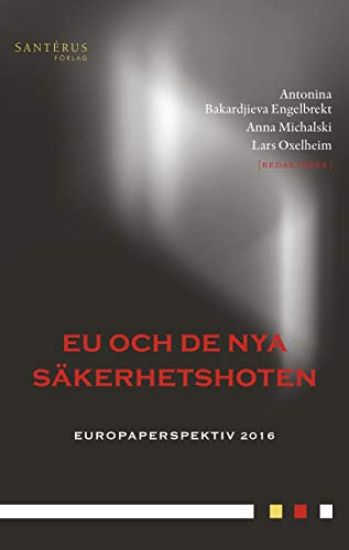
EU och de nya säkerhetshoten

Niklas Bremberg; Mikael Eriksson; Joakim Gullstrand; Christian Jörgensen; Cecilia Magnusson Sjöberg; Gregor Noll; Charles Parker; Thomas Persson; Roger Svensson; Charlotte Wagnsson; Sten Widmalm; Inger Österdahl

Santérus Förlag
2016
sidottu
Den främsta drivkraften bakom EU:s tillkomst var behovet av att garantera fred, säkerhet och stabilitet på den europeiska kontinenten. I denna huvuduppgift möter nu unionen och medlemsstaterna nya inre och yttre utmaningar, såsom krigshot i unionens närområde, hot mot livsmedelssäkerheten, cyberattacker och andra oförutsedda händelser. I närområdet har Rysslands stormaktsambitioner ställt den rådande linjen med diplomati och ekonomiska sanktioner mot förnyade förslag om att inrätta en regelrätt EU-armé. Nya verktyg i kampen mot terrorism och organiserad brottslighet väcker frågor om övervakningssamhällets risker. Flyktingströmmarna över Medelhavet belyser samtidigt hur EU:s säkerhetsambitioner kan komma i konflikt med grundläggande mänskliga rättigheter. Frågan är vilka krav på samarbete och gemensamma åtaganden som ställs för att säkerställa den europeiska säkerheten? Lissabonfördragets solidaritetsklausul innebär att medlemsländerna ska hjälpa varandra om det inträffar en terroristattack, naturkatastrof eller liknande - men hur långt sträcker sig detta åtagande? Riskerar hanteringen av de nya säkerhetshoten att äventyra samhällets öppenhet och medborgarnas integritet? Hur utvecklas relationen mellan EU och andra viktiga organisationer som FN och NATO i denna kontext? Och hur ställer sig de europeiska medborgarna till utvecklingen?
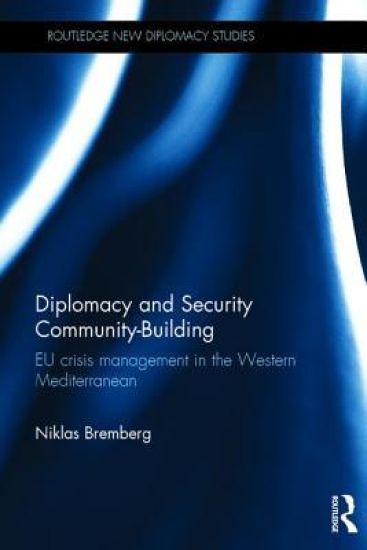
Diplomacy and Security Community-Building
This book contributes to the ongoing debate in IR on the role of security communities and formulates a new mechanism-based analytical framework. It argues that the question we need to ask is how security communities work at a time when armed conflicts among states have become significantly less frequent compared to other non-military threats and trans-boundary risks (e.g. terrorism and the adverse effects of climate change). Drawing upon recent advances in practice theory, the book suggests that the emergence and spread of cooperative security practices, ranging from multilateral diplomacy to crisis management, are as important for understanding how security communities work as more traditional confidence-building measures. Using the EU, Spain and Morocco as an in-depth case study, this volume reveals that through the institutionalization of multilateral venues, the EU has provided cooperative frameworks that otherwise would not have been available, and that the de-territorialized notion of security threats has created a new rationale for practical cooperation between Spanish and Moroccan diplomats, armed forces and civilian authorities. Within the broader context, this book provides a mechanism-based framework for studying regional organizations as security community-building institutions, and by utilizing that framework it shows how practice theory can be applied in empirical research to generate novel and thought-provoking results of relevance for the broader field of IR. This book will be of much interest to students of multilateral diplomacy, European Politics, foreign policy, security studies and IR in general.