Kirjojen hintavertailu – 12 859 818 kirjaa ja 27 kauppaa

Kirjailija

Niklas Olsen

Kirjat ja teokset yhdessä paikassa: 6 kirjaa, julkaisuja vuosilta 2012–2024, suosituimpiin kuuluu The Sovereign Consumer. Vertaile teosten hintoja ja tarkista saatavuus suomalaisista kirjakaupoista.

6 kirjaa

Kirjojen julkaisuvuodet: 2012–2024.

Naturens kriser

Naturens kriser

Johan Brun Mendes Cederfeldt; Nan Gerdes; Sebastian Ørtoft Rasmussen; Martin Fog Arndal; Kristoffer Balslev Willert; Marie Kongsted Møller; Niklas Olsen; Manni Crone; Mads Ejsing; Stefan Gaarsmand Jacobsen; Niels Wilde; Lone Kølle Martinsen og Rithma Kreie Engelbreth Larsen

Aarhus Universitetsforlag
2024
nidottu
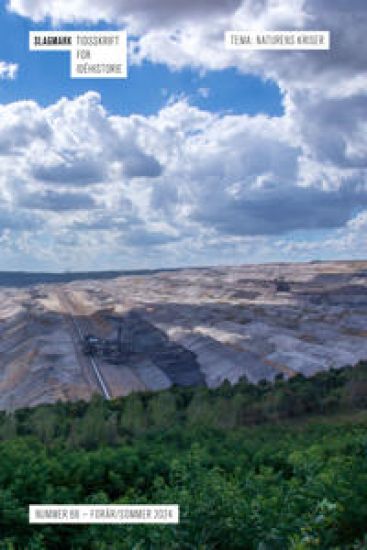
Samtidens voldsomme naturkriser kalder ikke kun på naturvidenskabelige studier, men i høj grad også på en omfattende humanvidenskabelig indsats – og specifikt på historisering og kontekstualisering. Naturens kriser kræver, at vi forstår, hvordan vi er endt som førstehåndsvidner til et globalt økologisk sammenbrud. Her er det ikke tilstrækkeligt med kurver over altings acceleration (udledninger, befolkningstal, energiforbrug, konsumerisme, personbiler); kriserne kræver også en forståelse af, hvordan reaktionerne på (og opfattelsen af) naturens tilstand er dybt indfiltret i historiske kampe om natur-, menneske- og samfundsforståelser. Som afspejlet i dette nummers artikler og anmeldelsesessays, kalder naturkrisernes idéhistorie på undersøgelse indenfor mange tænkelige sfærer: Fra senantikkens naturontologier til anti-kartesiske dyremetamorfoser i 1600-tallets franske eventyr, en romantisk vending bort fra dualismerne og mod naturen i 1700-tallet og helt frem til nekrofaunaens opkomst på tværs af tider. Fra økonomividenskabens udbredelse af en prometheansk tro på teknologiens frelse til fransk degrowth-filosofi som utopisk samfundskritik, og fra mikrofascismens forhold til økologi og naturbeherskelse til den danske klimapolitiske relative stilstand – og videre forbi grøn kapitalisme, darwinistisk kønsmytologi, længslen efter en hellig natur samt de mange -cæner, der florerer. Kort sagt: SLAGMARK #88 undersøger de presserende spørgsmål, der omkredser denne pluralitet af naturforståelser og krisereaktioner.
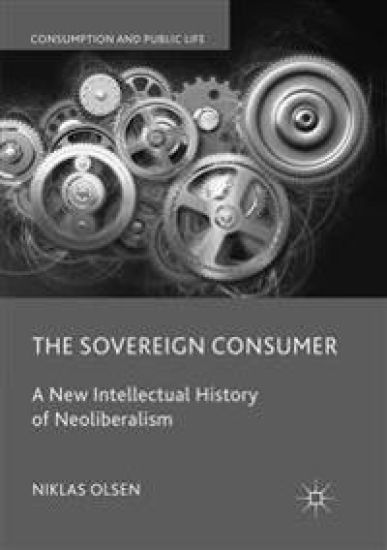
The Sovereign Consumer

The Sovereign Consumer

Niklas Olsen

Springer Nature Switzerland AG
2019
nidottu
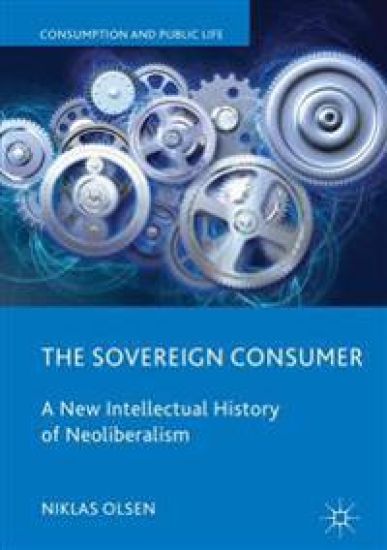
This book presents a new intellectual history of neoliberalism through the exploration of the sovereign consumer. Invented by neoliberal thinkers in the interwar period, this figure has been crucial to the construction and legimitization of neoliberal ideology and politics. Analysis of the sovereign consumer across time and space demonstrates how neoliberals have linked the figure both to the idea of democracy as a method of choice, and also to a re-invention of the market as the democratic forum par excellence. Moreover, Olsen contemplates how the sovereign consumer has served to marketize politics and functioned as a major driver in a wide-ranging transformation in political thinking, subjecting traditional political values to the narrow pursuit of economic growth. A politically timely project, The Sovereign Consumer will have a wide appeal in academic circles, especially for those interested in consumer and welfarestudies, and in political, economic and cultural thought in the twentieth century.
The Sovereign Consumer

The Sovereign Consumer

Niklas Olsen

Springer International Publishing AG
2018
sidottu
This book presents a new intellectual history of neoliberalism through the exploration of the sovereign consumer. Invented by neoliberal thinkers in the interwar period, this figure has been crucial to the construction and legimitization of neoliberal ideology and politics. Analysis of the sovereign consumer across time and space demonstrates how neoliberals have linked the figure both to the idea of democracy as a method of choice, and also to a re-invention of the market as the democratic forum par excellence. Moreover, Olsen contemplates how the sovereign consumer has served to marketize politics and functioned as a major driver in a wide-ranging transformation in political thinking, subjecting traditional political values to the narrow pursuit of economic growth. A politically timely project, The Sovereign Consumer will have a wide appeal in academic circles, especially for those interested in consumer and welfarestudies, and in political, economic and cultural thought in the twentieth century.
Nazismen, universiteterne og videnskaben i Danmark

Nazismen, universiteterne og videnskaben i Danmark

Niklas Olsen; Karl Christian Lammers; Palle Roslyng (red.)

Museum Tusculanums Forlag
2015
sidottu
Den tyske nazisme og udviklingerne i Tyskland efter 1933 vakte ikke blot bekymring, men også fascination og beundring i og uden for Tyskland. Det gjaldt både i den brede befolkning, hvor mange lod sig imponere af det nazistiske regimes ydre præsentation og selvfremstilling, og blandt intellektuelle og videnskabsfolk, der anede muligheder i de projekter, som nazisterne satte i gang. Formålet med denne bog er at undersøge, hvordan forskellige videnskabsfag og videnskabsfolk ved de danske universiteter reagerede på udfordringerne fra nazismen i perioden fra 1933 til 1945. Det drejer sig bl.a. om fag som medicin, jura, historie, germanistik og teologi, om forskere som germanisten Carl Roos, historikeren Aage Friis og fysikeren Niels Bohr, og om hvordan de universitetsstuderende, universitetet som institution og organisation og sider af kulturlivet forholdt sig til nazismen. Ambitionen er at give nye perspektiver på og et bredt overblik over de mangeartede udfordringer fra og reaktioner på nazismen og samtidig belyse institutionernes og de enkelte aktørers manøvrerum og interesser i perioden mellem 1933 og 1945 mere generelt. Bogen indeholder bidrag af Christoph Cornelissen, Jens Holger Schjørring, Finn Aaserud, Henrik Kragh Sørensen, Lene Koch, Henrik Tjørnelund, Lars Schreiber Pedersen, Lasse Olufson, Palle Roslyng-Jensen, Niklas Olsen og Karl Christian Lammers.
History in the Plural

History in the Plural

Niklas Olsen

Berghahn Books
2014
pokkari
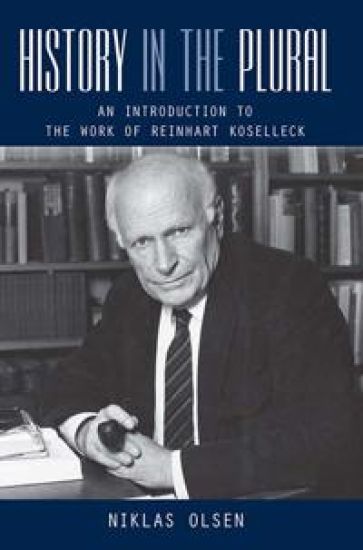
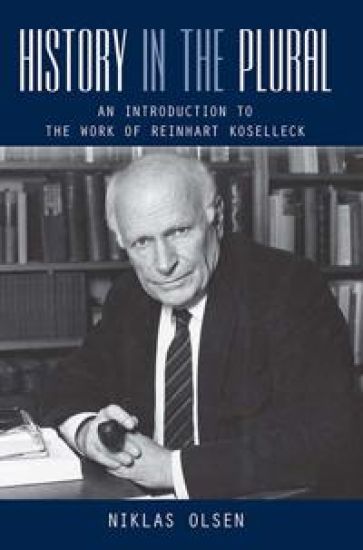
Reinhart Koselleck (1923–2006) was one of most imposing and influential European intellectual historians in the twentieth century. Constantly probing and transgressing the boundaries of mainstream historical writing, he created numerous highly innovative approaches, absorbing influences from other academic disciplines as represented in the work of philosophers and political thinkers like Hans Georg Gadamer and Carl Schmitt and that of internationally renowned scholars such as Hayden White, Michel Foucault, and Quentin Skinner. An advocate of “grand theory,” Koselleck was an inspiration to many scholars and helped move the discipline into new directions (such as conceptual history, theories of historical times and memory) and across disciplinary and national boundaries. He thus achieved a degree of international fame that was unusual for a German historian after 1945. This book not only presents the life and work of a “great thinker” and European intellectual, it also contributes to our understanding of complex theoretical and methodological issues in the cultural sciences and to our knowledge of the history of political, historical, and cultural thought in Germany from the 1950s to the present.
History in the Plural

History in the Plural

Niklas Olsen

Berghahn Books
2012
sidottu
Reinhart Koselleck (1923–2006) was one of most imposing and influential European intellectual historians in the twentieth century. Constantly probing and transgressing the boundaries of mainstream historical writing, he created numerous highly innovative approaches, absorbing influences from other academic disciplines as represented in the work of philosophers and political thinkers like Hans Georg Gadamer and Carl Schmitt and that of internationally renowned scholars such as Hayden White, Michel Foucault, and Quentin Skinner. An advocate of “grand theory,” Koselleck was an inspiration to many scholars and helped move the discipline into new directions (such as conceptual history, theories of historical times and memory) and across disciplinary and national boundaries. He thus achieved a degree of international fame that was unusual for a German historian after 1945. This book not only presents the life and work of a “great thinker” and European intellectual, it also contributes to our understanding of complex theoretical and methodological issues in the cultural sciences and to our knowledge of the history of political, historical, and cultural thought in Germany from the 1950s to the present.