Kirjojen hintavertailu – 12 903 725 kirjaa ja 27 kauppaa
Kirjailija
Nishi Sharma
Kirjat ja teokset yhdessä paikassa: 5 kirjaa, julkaisuja vuosilta 2011–2025, suosituimpiin kuuluu Smart Ocular Drug Delivery. Vertaile teosten hintoja ja tarkista saatavuus suomalaisista kirjakaupoista.
This book offers an in-depth exploration of the formulation and evaluation of a temperature-sensitive in-situ ocular gel drug delivery system using Acetazolamide, designed for the effective treatment of glaucoma. Traditional eye drop formulations often suffer from poor bioavailability and rapid drug elimination. In contrast, this innovative thermoresponsive gel transforms from liquid to gel upon instillation in the eye, ensuring prolonged contact time, sustained drug release, and enhanced therapeutic efficacy. Through systematic formulation development, physicochemical characterization, and in-vitro testing, this study demonstrates how smart drug delivery systems can significantly improve ocular drug retention and patient compliance. The work also discusses the potential of such advanced formulations to overcome the challenges associated with conventional glaucoma therapies. Ideal for pharmaceutical scientists, researchers, and students, this book bridges theoretical knowledge with practical application, making it a valuable reference in the field of novel drug delivery systems and ocular pharmacology.
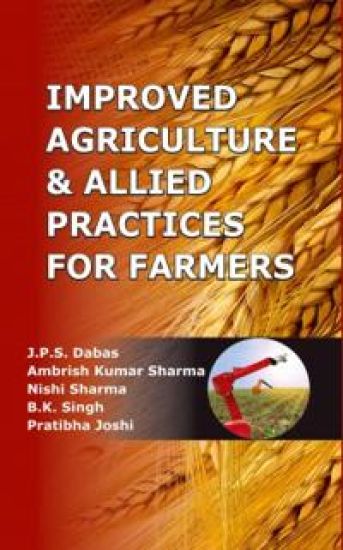
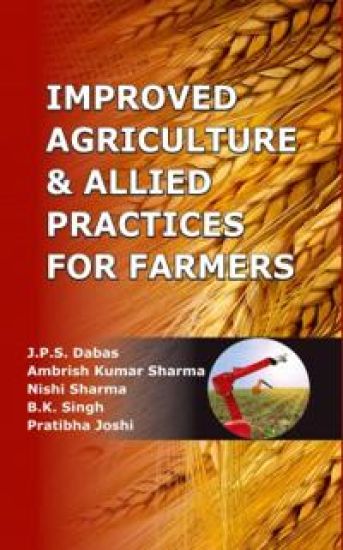
The book in question aims to emphasize the facets of enhanced Agricultural and related technologies for farmers. The opening segment of the book delves into crop production technologies for rice, mustard, lentil, sugarcane, and explores the IFA model and SRI techniques. The segment on Horticultural Production Technology delves into protected cultivation, vegetable and fruit production, floriculture, and diversification for nutritional security and prosperity. The Crop Protection unit provides information on weed management, nematode management, and integrated pest management. The section on natural resource management covers soil testing, bio-fertilizer, water management, and biogas.
The present volume endeavors to emphasize the various aspects of enhanced Agricultural and related technologies for farmers. The initial portion of the book focuses on crop production technologies, covering topics such as rice, mustard, lentil, sugarcane, IFA model, and SRI techniques. The segment on Horticultural Production Technology delves into protected cultivation, vegetable and fruit production, floriculture, and diversification for nutritional security and prosperity. The section on Crop Protection offers information on weed management, Nematode management, and integrated pest management. The natural resource management components encompass topics such as soil testing, bio fertilizer, water management, and biogas.
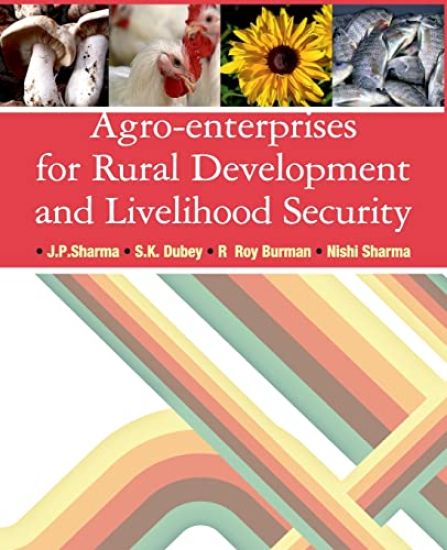
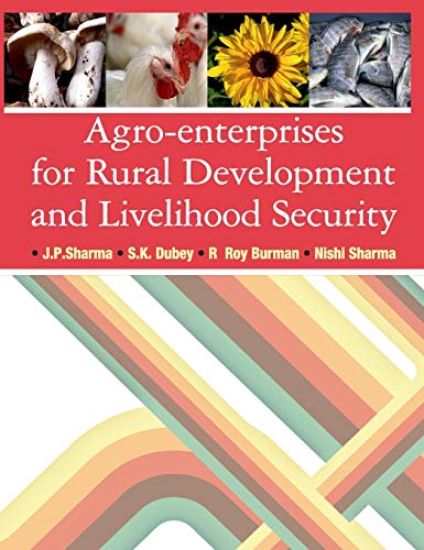
The current multi-pronged challenges of Indian agriculture demand for searching the viable alternative for restoring farmers' and rural youths' confidence in the agricultural vocation. Agri-enterprises offer such opportunities to help the agrarian communities to enhance their farm productivity and enhance income from the per unit of land and time. The present book on Agro-Enterprises for Rural Development and Livelihood Security is an excellent synthesis of scholarly concepts, cases and methodologies pertaining to enterprise promotion in agriculture and the related dimensions. For the benefit of the readers, the book has been divided into three segments. The first part deals with need for micro-enterprise promotion in agriculture, resource appraisal for micro-enterprise development, developing the self, characteristics of potential entrepreneurs and related aspects. The major aim of this section is to explore, unfreeze and broaden the cognitive and affective domain of the readers so that a desirable mindset among them may be created at the initial stage so that an effective learning may take place in the subsequent chapteIn the second dimension of the book, readers may find the description of varieties of technological options. These include the appropriate technologies and enterprises related to vegetable cultivation, protected cultivation, seed production, food processing, poultry farming, bee-keeping, dairy production and processing, fishery based enterprise, livestock and piggery based technological options having entrepreneurial potential. The successful experiences of the agri entrepreneurs are also shared in this section. The third and most important part of the book emphasizes on support system required to initiate and sustain the agri-enterprise. These include necessary management related interventions, trade, export, quality standards and other inter-related issues which would definitely enable readers to comprehend how to be successful agri-preneur. Besides, the role of civil society organizations for economic independence in rural India has also been narrated. On-line trading, project monitoring and evaluation and related issue for agricultural commodities are deliberated by the renowned authorities of the above fields.
The current multi-pronged challenges of Indian agriculture demand for searching the viable alternative for restoring farmers' and rural youths’ confidence in the agricultural vocation. Agri-enterprises offer such opportunities to help the agrarian communities to enhance their farm productivity and enhance income from the per unit of land and time. The present book on Agro-enterprises for Rural Development and Livelihoods Security is an excellent synthesis of scholarly concepts, cases and methodologies pertaining to enterprise promotion in agriculture and the related dimensions. For the benefit of the readers, the book has been divided into three segments. The first part deals with need for micro-enterprise promotion in agriculture, resource appraisal for micro-enterprise development, developing the self, characteristics of potential entrepreneurs and related aspects. The major aim of this section is to explore, unfreeze and broaden the cognitive and affective domain of the readers so that a desirable mindset among them may be created at the initial stage so that an effective learning may take place in the subsequent chapteIn the second dimension of the book, readers may find the description of varieties of technological options. These include the appropriate technologies and enterprises related to vegetable cultivation, protected cultivation, seed production, food processing, poultry farming, bee-keeping, dairy production and processing, fishery based enterprise, livestock and piggery based technological options having entrepreneurial potential. The successful experiences of the agri entrepreneurs are also shared in this section. The third and most important part of the book emphasizes on support system required to initiate and sustain the agri-enterprise. These include necessary management related interventions, trade, export, quality standards and other inter-related issues which would definitely enable readers to comprehend how to be successful agri-preneur. Besides, the role of civil society organizations for economic independence in rural India has also been narrated. On-line trading, project monitoring and evaluation and related issue for agricultural commodities are deliberated by the renowned authorities of the above fields.