Kirjojen hintavertailu – 12 903 735 kirjaa ja 27 kauppaa

Kirjailija

Nivi Manchanda

Kirjat ja teokset yhdessä paikassa: 3 kirjaa, julkaisuja vuosilta 2020–2025, suosituimpiin kuuluu Thinking World Politics Otherwise. Vertaile teosten hintoja ja tarkista saatavuus suomalaisista kirjakaupoista.

3 kirjaa

Kirjojen julkaisuvuodet: 2020–2025.

Thinking World Politics Otherwise

Thinking World Politics Otherwise

Rhys Crilley; Nivi Manchanda; Laura J. Shepherd; Cai Wilkinson; Caitlin Biddolph; Stefanie Fishel

Oxford University Press
2025
nidottu

Halvin toimitettuna 49,10 €

Thinking World Politics Otherwise is a different kind of textbook. It includes a variety of critical approaches and perspectives that seek to challenge and rethink orthodox understandings of International Relations. Moving away from traditional approaches based on theoretical and historical schools of thought, Thinking World Politics Otherwise brings together prominent voices in the field that recognize the importance of engaging with global politics from a range of perspectives and through a variety of cutting-edge approaches. It provides students with the opportunity to become familiar with a wide spectrum of approaches, issues, and cases that have been historically marginalized in the discipline. Key Features · Includes a variety of approaches that have been historically marginalized in the discipline. · Each section editor, as an expert in the approach represented in their section, provides an introduction to the section to give readers an overview of the approach. · Diverse topics and chapters, ranging from understanding how the everyday shapes our view of the world to a planetary examination of international mobility, provides students with a wide range of learning opportunities. · Also available as an e-book with functionality, navigation features, and links that offer extra learning support. Digital formats and resources Thinking World Politics Otherwise is available for students and institutions to purchase in a variety of formats and is supported by online resources. The e-book offers a mobile experience and convenient access along with self-test multiple choice questions, functionality tools, navigation features, and links that offer extra learning support: www.oxfordtextbooks.co.uk/ebooks The digital version, available on Politics Trove, is also accompanied by online resources. These include: For lecturers: - PowerPoint slides with a deck for each chapter to help build lecture materials
Imagining Afghanistan

Imagining Afghanistan

Nivi Manchanda

Cambridge University Press
2022
pokkari
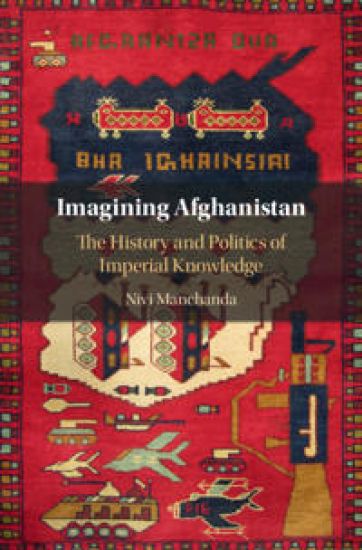
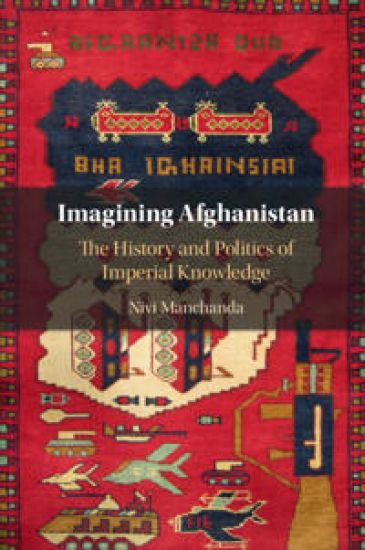
Over time and across different genres, Afghanistan has been presented to the world as potential ally, dangerous enemy, gendered space, and mysterious locale. These powerful, if competing, visions seek to make sense of Afghanistan and to render it legible. In this innovative examination, Nivi Manchanda uncovers and critically explores Anglophone practices of knowledge cultivation and representational strategies, and argues that Afghanistan occupies a distinctive place in the imperial imagination: over-determined and under-theorised, owing largely to the particular history of imperial intervention in the region. Focusing on representations of gender, state and tribes, Manchanda re-historicises and de-mythologises the study of Afghanistan through a sustained critique of colonial forms of knowing and demonstrates how the development of pervasive tropes in Western conceptions of Afghanistan have enabled Western intervention, invasion and bombing in the region from the nineteenth century to the present.
Imagining Afghanistan

Imagining Afghanistan

Nivi Manchanda

Cambridge University Press
2020
sidottu
Over time and across different genres, Afghanistan has been presented to the world as potential ally, dangerous enemy, gendered space, and mysterious locale. These powerful, if competing, visions seek to make sense of Afghanistan and to render it legible. In this innovative examination, Nivi Manchanda uncovers and critically explores Anglophone practices of knowledge cultivation and representational strategies, and argues that Afghanistan occupies a distinctive place in the imperial imagination: over-determined and under-theorised, owing largely to the particular history of imperial intervention in the region. Focusing on representations of gender, state and tribes, Manchanda re-historicises and de-mythologises the study of Afghanistan through a sustained critique of colonial forms of knowing and demonstrates how the development of pervasive tropes in Western conceptions of Afghanistan have enabled Western intervention, invasion and bombing in the region from the nineteenth century to the present.