
Kirjojen hintavertailu – 12 859 828 kirjaa ja 27 kauppaa

Kirjailija

Njabulo Kambule

Kirjat ja teokset yhdessä paikassa: 2 kirjaa, julkaisuja vuosilta 2021–2022, suosituimpiin kuuluu The Deployment of Prepaid Electricity Meters in Sub-Saharan Africa. Vertaile teosten hintoja ja tarkista saatavuus suomalaisista kirjakaupoista.

2 kirjaa

Kirjojen julkaisuvuodet: 2021–2022.

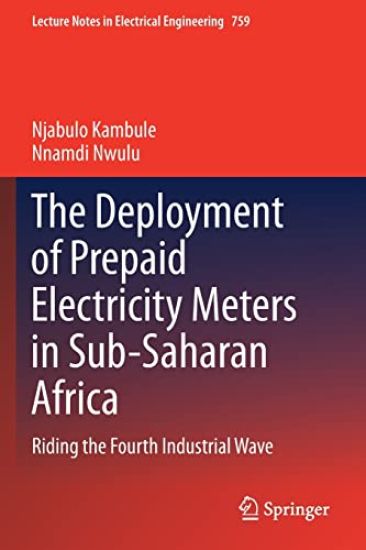
The Deployment of Prepaid Electricity Meters in Sub-Saharan Africa

The Deployment of Prepaid Electricity Meters in Sub-Saharan Africa

Njabulo Kambule; Nnamdi Nwulu

Springer Nature Switzerland AG
2022
nidottu
This book provides a novel and holistic perspective on the deployment of prepaid electricity meter technology among energy impoverished (vulnerable) households based in developing or under-developed communities of Sub-Saharan Africa. It explores and reviews the nexus between the technology and socio-economic development, technology acceptance and rejection in low-income households, and ultimately proposes a contextual model to avert or assuage energy poverty in the region using the technology. Science is applied as a convenient, valid, and reliable model to generate bespoke, contextual, and relevant knowledge for policy makers on the development of prepaid meter market in the region. The knowledge shared contributes to extant discourse and debates around the effectiveness of the technology within indigent household settings. The book is intended for energy/electricity utilities, prepaid electricity businesses, policy developers, and other interested parties whose work is related to prepaid electricity meters.
The Deployment of Prepaid Electricity Meters in Sub-Saharan Africa

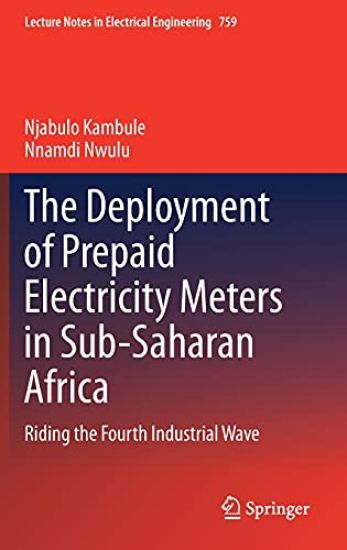
The Deployment of Prepaid Electricity Meters in Sub-Saharan Africa

Njabulo Kambule; Nnamdi Nwulu

Springer Nature Switzerland AG
2021
sidottu
This book provides a novel and holistic perspective on the deployment of prepaid electricity meter technology among energy impoverished (vulnerable) households based in developing or under-developed communities of Sub-Saharan Africa. It explores and reviews the nexus between the technology and socio-economic development, technology acceptance and rejection in low-income households, and ultimately proposes a contextual model to avert or assuage energy poverty in the region using the technology. Science is applied as a convenient, valid, and reliable model to generate bespoke, contextual, and relevant knowledge for policy makers on the development of prepaid meter market in the region. The knowledge shared contributes to extant discourse and debates around the effectiveness of the technology within indigent household settings. The book is intended for energy/electricity utilities, prepaid electricity businesses, policy developers, and other interested parties whose work is related to prepaid electricity meters.