Kirjojen hintavertailu – 12 859 826 kirjaa ja 27 kauppaa

Kirjailija

Noor Zulfiqar

Kirjat ja teokset yhdessä paikassa: 16 kirjaa, julkaisuja vuosilta 2025–2026, suosituimpiin kuuluu O Magnetismo Verde. Vertaile teosten hintoja ja tarkista saatavuus suomalaisista kirjakaupoista.

16 kirjaa

Kirjojen julkaisuvuodet: 2025–2026.

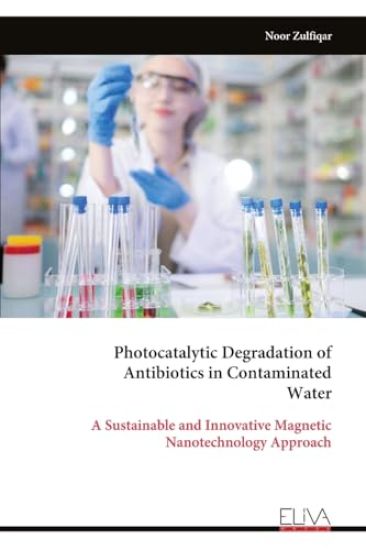
Photocatalytic Degradation of Antibiotics in Contaminated Water
Water pollution caused by pharmaceutical residues, especially antibiotics, is an escalating global concern. These persistent contaminants not only disrupt aquatic ecosystems but also contribute to the rise of antibiotic-resistant bacteria, posing severe threats to environmental and human health. Addressing this urgent issue requires advanced, sustainable, and cost-effective technologies for water treatment. This book explores a cutting-edge approach rooted in photocatalysis combined with magnetic nanotechnology to degrade antibiotics in contaminated water systems. It offers a detailed analysis of the development and application of magnetic nanomaterials that act as efficient, light-driven catalysts capable of breaking down hazardous organic compounds. The focus is on designing recyclable, magnetically separable nanocatalysts that not only enhance photocatalytic efficiency but also simplify post-treatment recovery processes, making them suitable for large-scale and sustainable applications. The content blends fundamental concepts with practical implementation strategies. Topics covered include the synthesis and surface engineering of magnetic nanocomposites, photocatalytic mechanisms, environmental factors influencing degradation efficiency, and case studies demonstrating real-world applicability. Special attention is given to the green synthesis of nanomaterials and their alignment with sustainable development goals. By integrating advanced materials science with environmental remediation strategies, this book provides a valuable resource for researchers, environmental scientists, engineers, and graduate students. It contributes to the growing field of eco-friendly water treatment technologies and offers a visionary perspective on how magnetic nanotechnology can drive sustainable solutions for one of the most critical environmental challenges of our time.
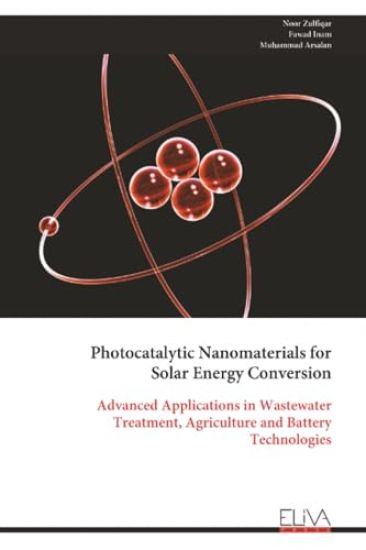
Photocatalytic Nanomaterials for Solar Energy Conversion
This comprehensive and timely book explores the fascinating world of photocatalytic nanomaterials, advanced materials engineered to harness solar energy for addressing urgent global challenges, offering an in-depth look at their synthesis, structural properties, and diverse applications. As the push for cleaner energy and sustainable technologies intensifies, photocatalysis stands out as a transformative approach by merging nanotechnology with solar energy conversion to support environmentally friendly innovations. The book focuses on a wide range of nanomaterials including metal oxides, doped semiconductors, composites, and heterostructures that show enhanced photocatalytic performance under sunlight or visible light. Special attention is given to their application in wastewater treatment, where these materials efficiently degrade persistent organic pollutants, heavy metals, and pharmaceutical residues, contributing to cleaner water systems. Additionally, it examines their role in agriculture by promoting safer crop production through the breakdown of agrochemical contaminants and microbial threats. A significant portion of the book is devoted to their emerging use in energy systems, particularly in battery technologies, where photocatalytic nanomaterials are being explored for their potential to enhance energy storage, improve charge-discharge cycles, and support the development of solar-charged batteries. With its interdisciplinary approach and emphasis on real-world applications, this book is an essential reference for researchers, students, and professionals working in nanoscience, environmental chemistry, materials engineering, and renewable energy. Through recent advancements, experimental insights, and sustainable design strategies, it offers a forward-looking perspective on how photocatalytic nanomaterials can power a cleaner and more energy-efficient future.