Kirjojen hintavertailu – 12 903 724 kirjaa ja 27 kauppaa

Kirjailija

Norbert Götz

Kirjat ja teokset yhdessä paikassa: 5 kirjaa, julkaisuja vuosilta 2011–2022, suosituimpiin kuuluu Ett nordiskt rum : historiska och framtida gemenskaper från Baltikum till Barents hav. Vertaile teosten hintoja ja tarkista saatavuus suomalaisista kirjakaupoista.

5 kirjaa

Kirjojen julkaisuvuodet: 2011–2022.

Ett nordiskt rum : historiska och framtida gemenskaper från Baltikum till Barents hav

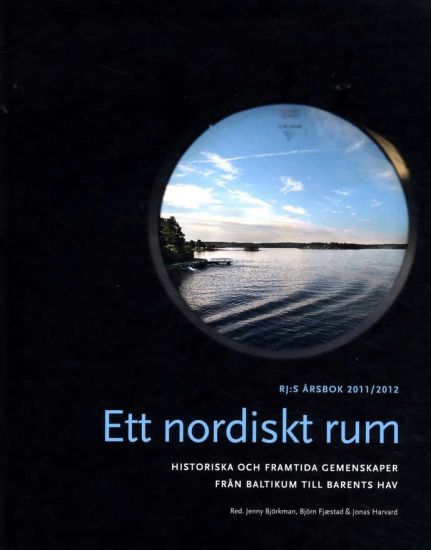
Ett nordiskt rum : historiska och framtida gemenskaper från Baltikum till Barents hav

Jenny Björkman; Björn Fjæstad; Jonas Harvard; Gunnar Wetterberg; Norbert Götz; Stuart Burch; Peter Aronsson; Susanne Österlund-Pötzsch; Inger Damsholt; Lizette Gradén; Pärtel Piirimäe; Andres Andresen; Nicholas Aylott; Karl Magnus Johansson; Kadri Simm; Lisbeth Lewander; Sanna Turoma; Sverker Sörlin

Makadam förlag
2011
sidottu
Norden fem självständiga länder i Europas nordvästra hörn. Det är det hårda Norden. Men det finns också ett mjukt Norden, som är en ideologisk och medial konstruktion, inte sällan med kommersiella förtecken. Det handlar om jämlikhet, tillit, kort distans till makten, inklusivitet, flexibilitet, kärlek till naturen, luthersk arbetsetik samt sparsmakad och ljus estetik. Vi häruppe är inte så lite övertygade om de egna lösningarnas universella förträfflighet. Men varför är de tre baltiska länderna inte med i gemenskapen? Har det med den svenska stormaktstiden att göra, med arvet efter Sovjettiden eller med något annat? I regionernas Europa kan det också finnas plats för ett fördjupat nordiskt samarbete kanske rentav en politisk union? Det finns argument både för och emot. En ännu svårare fråga är vad som är nordiskt. Handlar det om historia, nutidskultur eller samhällsekonomi? Vad har vi gemensamt som skiljer oss från omvärlden? Kanske mer än vi tror. Eller möjligen tvärtom. Riksbankens Jubileumsfonds årsbok 2011/2012, Ett nordiskt rum, vrider och vänder på Norden. Årsboken utsträcker det nordiska i sydöstlig riktning, men undersöker också den exotiska periferin norr om norr. Med stora övergripande penseldrag, både historiskt och i nutid, och med nedslag i belysande detaljer målas ett nordiskt rum upp som är på en gång välbekant och helt nytt. Författare: Andres Andresen Peter Aronsson Nicholas Aylott Stuart Burch Inger Damsholt Björn Fjæstad Lizette Gradén Norbert Götz Jonas Harvard Karl Magnus Johansson Lisbeth Lewander Pärtel Piirimäe Valters Scerbinskis Kadri Simm Sverker Sörlin Sanna Turoma Gunnar Wetterberg Susanne Österlund-Pötzsch
Humanitarianism in the Modern World

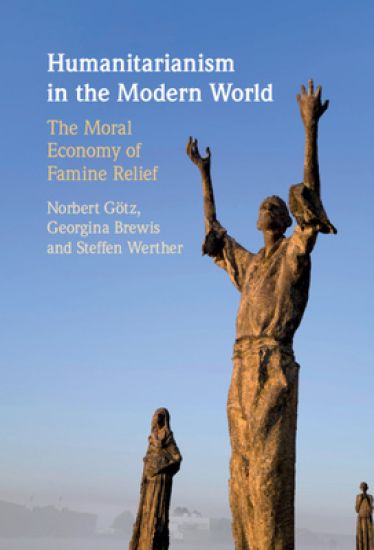
Humanitarianism in the Modern World

Norbert Götz; Georgina Brewis; Steffen Werther

Cambridge University Press
2022
pokkari
This is an innovative new history of famine relief and humanitarianism. The authors apply a moral economy approach to shed new light on the forces and ideas that motivated and shaped humanitarian aid during the Great Irish Famine, the famine of 1921-1922 in Soviet Russia and the Ukraine, and the 1980s Ethiopian famine. They place these episodes within a distinctive periodisation of humanitarianism which emphasises the correlations with politico-economic regimes: the time of elitist laissez-faire liberalism in the nineteenth century as one of ad hoc humanitarianism; that of Taylorism and mass society from c.1900-1970 as one of organised humanitarianism; and the blend of individualised post-material lifestyles and neoliberal public management since 1970 as one of expressive humanitarianism. The book as a whole shifts the focus of the history of humanitarianism from the imperatives of crisis management to the pragmatic mechanisms of fundraising, relief efforts on the ground, and finance. This book is also available as Open Access on Cambridge Core.
Humanitarianism in the Modern World

Humanitarianism in the Modern World

Norbert Götz; Georgina Brewis; Steffen Werther

Cambridge University Press
2020
sidottu
This is an innovative new history of famine relief and humanitarianism. The authors apply a moral economy approach to shed new light on the forces and ideas that motivated and shaped humanitarian aid during the Great Irish Famine, the famine of 1921-1922 in Soviet Russia and the Ukraine, and the 1980s Ethiopian famine. They place these episodes within a distinctive periodisation of humanitarianism which emphasises the correlations with politico-economic regimes: the time of elitist laissez-faire liberalism in the nineteenth century as one of ad hoc humanitarianism; that of Taylorism and mass society from c.1900-1970 as one of organised humanitarianism; and the blend of individualised post-material lifestyles and neoliberal public management since 1970 as one of expressive humanitarianism. The book as a whole shifts the focus of the history of humanitarianism from the imperatives of crisis management to the pragmatic mechanisms of fundraising, relief efforts on the ground, and finance. This book is also available as Open Access on Cambridge Core.
Civil Society in the Baltic Sea Region
This title was first published in 2003. The Baltic Sea region offers exceptionally rich material for the discussion of civil society. This is because it has witnessed the erosion of communist regimes, the crisis of the welfare state, the increasing importance of new social movements and the shift from a centralist paradigm to one oriented towards networks. This engaging book focuses on the phenomena and prospects for civil society in north-eastern Europe which have had a major impact on political and scholarly debates since 1989. Nineteen experts from the region provide a comprehensive and comparative account of the history, the present state and the perspectives of civil society in the Baltic Sea area. The reader will learn that civil society should not only be seen in opposition to the state and that it has a major impact on current developments of European integration.
Civil Society in the Baltic Sea Region
This title was first published in 2003. The Baltic Sea region offers exceptionally rich material for the discussion of civil society. This is because it has witnessed the erosion of communist regimes, the crisis of the welfare state, the increasing importance of new social movements and the shift from a centralist paradigm to one oriented towards networks. This engaging book focuses on the phenomena and prospects for civil society in north-eastern Europe which have had a major impact on political and scholarly debates since 1989. Nineteen experts from the region provide a comprehensive and comparative account of the history, the present state and the perspectives of civil society in the Baltic Sea area. The reader will learn that civil society should not only be seen in opposition to the state and that it has a major impact on current developments of European integration.