
Kirjojen hintavertailu – 12 903 725 kirjaa ja 27 kauppaa

Kirjailija

Noriko Mizuta Lippit

Kirjat ja teokset yhdessä paikassa: 6 kirjaa, julkaisuja vuosilta 1991–2019, suosituimpiin kuuluu Reality and Fiction in Modern Japanese Literature. Vertaile teosten hintoja ja tarkista saatavuus suomalaisista kirjakaupoista.

6 kirjaa

Kirjojen julkaisuvuodet: 1991–2019.
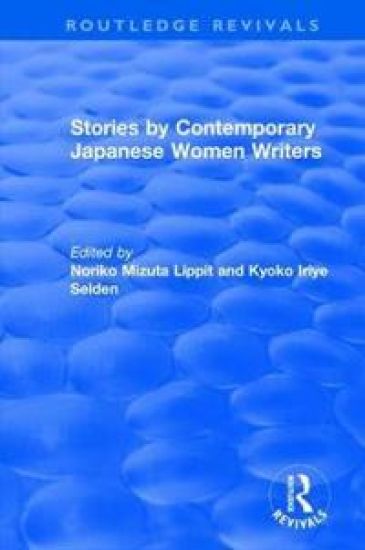
Revival: Stories by Contemporary Japanese Women Writers (1983)

Revival: Stories by Contemporary Japanese Women Writers (1983)

Noriko Mizuta Lippit; Kyoko Iriye Selden
Routledge
2019
nidottu
This title was first published in 1982. The authors deal with the experiences of modern women with penetrating sincerity and honesty, but their philosophic profundity in understanding modern life, their intellectual capacity to view their experience in a historical and social context, and their mastery of the art of fiction render the traditional category of 'female school literature' totally inadequate to characterize their works. Indeed, they stand at the core of modern Japanese literature as a whole.
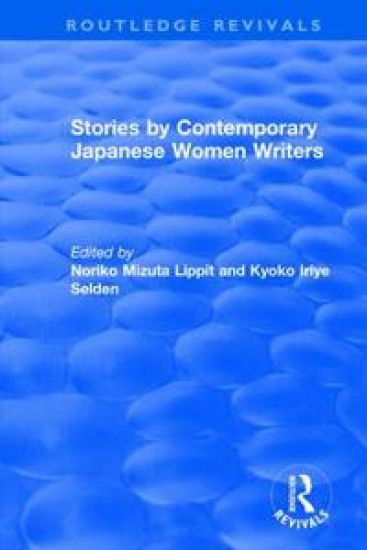
Revival: Stories by Contemporary Japanese Women Writers (1983)

Revival: Stories by Contemporary Japanese Women Writers (1983)

Noriko Mizuta Lippit; Kyoko Iriye Selden
Routledge
2017
sidottu
This title was first published in 1982. The authors deal with the experiences of modern women with penetrating sincerity and honesty, but their philosophic profundity in understanding modern life, their intellectual capacity to view their experience in a historical and social context, and their mastery of the art of fiction render the traditional category of 'female school literature' totally inadequate to characterize their works. Indeed, they stand at the core of modern Japanese literature as a whole.
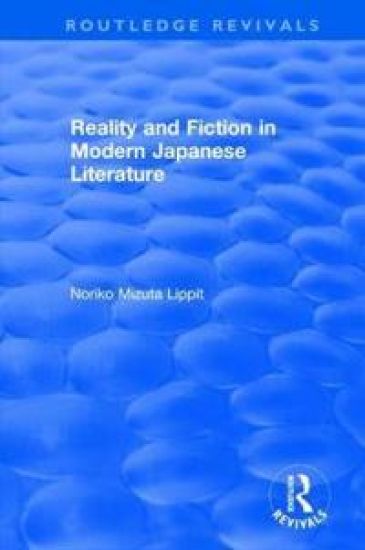
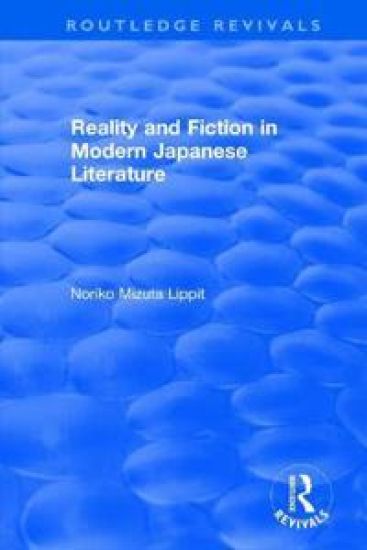
Reality and Fiction in Modern Japanese Literature
This title was first published in 1980. In twentieth century Japanese literature, the opposition and interaction of realism and romanticism on the level of literary concepts, and of Marxism and aestheticism (including, in part, modernism) on the level of literary ideology, supplies a most vital basis for writers searching for new methods of literary expression, fostering debates among the writers and creating the setting for active experimentation with style, form and language. This study is a result of an extended stay in the United States by the author who turned increasingly toward questioning and evaluating my own relation to Japan's literary heritage. For Japanese who have witnessed (at least intellectually) the violent attraction to and rejection of foreign cultures of many of their predecessors in the Meiji, Taisho and Showa eras, and their final, often sentimental and abstract, glorification of the Japanese cultural heritage, nihon kaiki (return to Japan) still presents enormously complex intellectual as well as emotional problems.
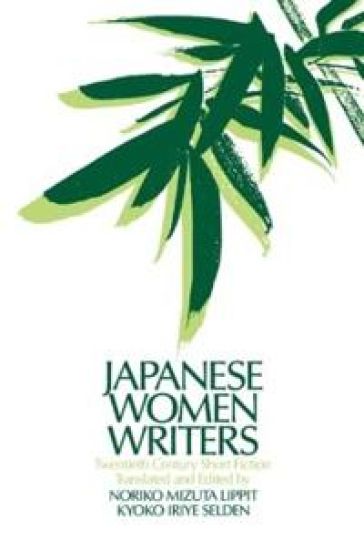
Japanese Women Writers: Twentieth Century Short Fiction

Japanese Women Writers: Twentieth Century Short Fiction

Noriko Mizuta Lippit; Kyoko Iriye Selden
M.E. Sharpe
1991
nidottu
This collection includes translated works by Japanese women writers that deal with the experiences of modern women. The work of these women represents current feminist perception, imagination and thought. "Here are Japanese women in infinite and fascinating variety -- ardent lovers, lonely single women, political activists, betrayed wives, loyal wives, protective mothers, embittered mothers, devoted daughters. ... a new sense of the richness of Japanese women's experience, a new appreciation for feelings too long submerged". -- The New York Times Book Review
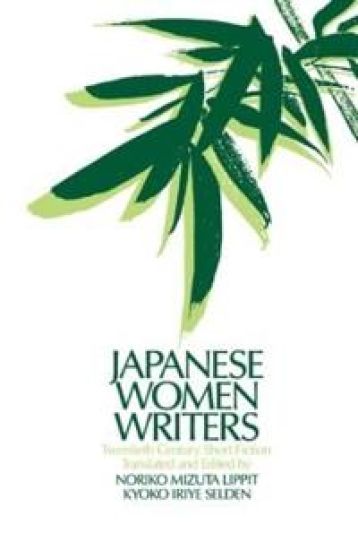
Japanese Women Writers: Twentieth Century Short Fiction

Japanese Women Writers: Twentieth Century Short Fiction

Noriko Mizuta Lippit; Kyoko Iriye Selden
M.E. Sharpe
1991
sidottu
This collection includes translated works by Japanese women writers that deal with the experiences of modern women. The work of these women represents current feminist perception, imagination and thought. "Here are Japanese women in infinite and fascinating variety -- ardent lovers, lonely single women, political activists, betrayed wives, loyal wives, protective mothers, embittered mothers, devoted daughters. ... a new sense of the richness of Japanese women's experience, a new appreciation for feelings too long submerged". -- The New York Times Book Review