Kirjojen hintavertailu – 12 903 724 kirjaa ja 27 kauppaa
Kirjailija
Nuno Garoupa
Kirjat ja teokset yhdessä paikassa: 7 kirjaa, julkaisuja vuosilta 2015–2024, suosituimpiin kuuluu A Direita Portuguesa: da Frustração à Decomposição. Vertaile teosten hintoja ja tarkista saatavuus suomalaisista kirjakaupoista.
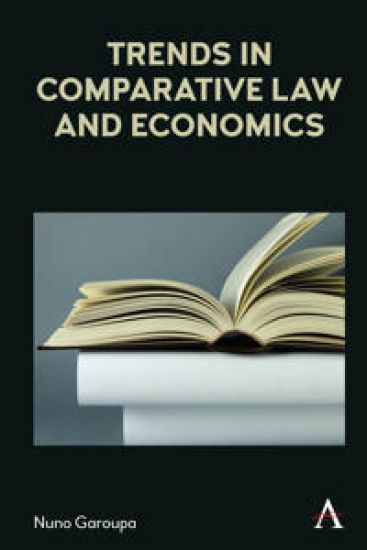
The book is a short introduction to comparative law and economics, a growing field in the interaction between law, economics and comparative political science. It is a guide to economists, lawyers and political scientists looking for a brief overview. It includes both strands of the traditional literature, namely the role of legal families and microeconomic analysis of legal rules in a comparative perspective. The study of courts at the global level is complemented by comparative judicial politics.
The book is a short introduction to comparative law and economics, a growing field in the interaction between law, economics and comparative political science. It is a guide to economists, lawyers and political scientists looking for a brief overview. It includes both strands of the traditional literature, namely the role of legal families and microeconomic analysis of legal rules in a comparative perspective. The study of courts at the global level is complemented by comparative judicial politics.
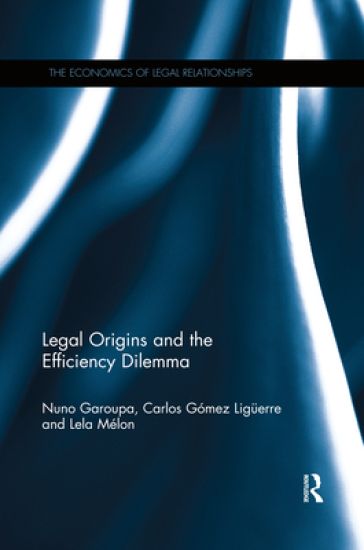
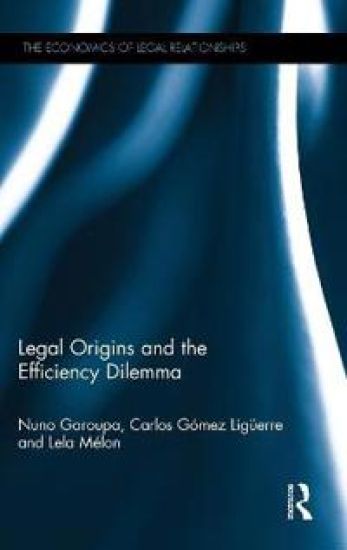
Economists advise that the law should seek efficiency. More recently, it has been suggested that common law systems are more conducive of economic growth than code-based civil law systems. This book argues that there is no theory to support such statements and provides evidence that rejects a 'one-size-fits-all' approach. Both common law and civil law systems are reviewed to debunk the relationship between the efficiency of the common law hypothesis and the alleged inferiority of codified law systems. Legal Origins and the Efficiency Dilemma has six aims: explaining the efficiency hypothesis of the common law since Posner’s 1973 book; summarizing the legal origins theory in the context of economic growth; debunking their relationship; discussing the meaning of 'common law' and the problems with the efficiency hypothesis by comparing laws across English speaking jurisdictions; illustrating the shortcomings of the legal origins theory with a comparative law and economics analysis; and concluding there is no theory and evidence to support the economic superiority of common law systems. Based on previous pieces by the authors, this book expands their work by including new areas of analysis (such as trusts), detailing previous analysis (such as French law versus common law in the areas of contract, property and torts), and updating for recent developments in the academic discourse. This volume is of interest to academics and students who study microeconomics, comparative law and foundations of law, as well as legal policy analysts.
Este livro re ne v rios textos divulgados por Nuno Garoupa, antigo Presidente da Funda o Francisco Manuel dos Santos, atualmente professor universit rio nos Estados Unidos, uma das vozes mais respeitadas no coment rio pol tico nacional. Os textos, publicados em diversos meios de comunica o social, incindem sobre a estrat gia e atua o dos partidos da direita portuguesa, PSD e CDS, entre 2004 e 2018. Dividido em tr s cap tulos, o livro come a com a Frustra o, de 2005 a 2011, anos do Governo S crates, onde o autor reflete sobre a incapacidade de a direita partid ria consubstanciar um projeto pol tico alternativo ao PS. Com o Governo Passos Coelho-Portas, entre 2011 e 2015, vem a Desilus o, pela aus ncia de um verdadeiro programa reformista. O ltimo cap tulo, relativo ao per odo entre 2015 e a atualidade, corresponde, por fim, Decomposi o, iniciada com a profunda derrota da direita no outono de 2015, incapaz de evitar e depois fazer oposi o ao Governo da Geringon a.
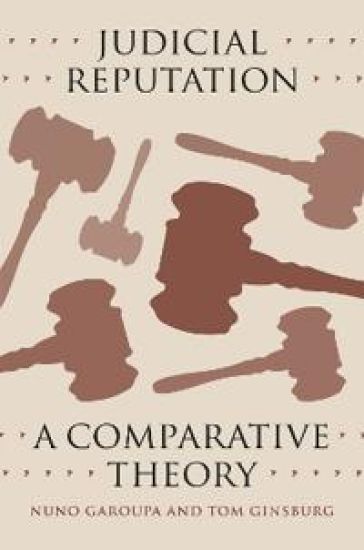
Judges are society's elders and experts, our masters and mediators. We depend on them to dispense justice with integrity, deliberation, and efficiency. Yet judges, as Alexander Hamilton famously noted, lack the power of the purse or the sword. They must rely almost entirely on their reputations to secure compliance with their decisions, obtain resources, and maintain their political influence. In Judicial Reputation, Nuno Garoupa and Tom Ginsburg explain how reputation is not only an essential quality of the judiciary as a whole, but also of individual judges. Perceptions of judicial systems around the world range from widespread admiration to utter contempt, and as judges participate within these institutions some earn respect, while others are scorned. Judicial Reputation explores how judges respond to the reputational incentives provided by the different audiences they interact with lawyers, politicians, the media, and the public itself and how institutional structures mediate these interactions. The judicial structure is best understood not through the lens of legal culture or tradition, but through the economics of information and reputation. Transcending those conventional lenses, Garoupa and Ginsburg employ their long-standing research on the latter to examine the fascinating effects that governmental interactions, multicourt systems, extrajudicial work, and the international rule-of-law movement have had on the reputations of judges in this era.
Economists advise that the law should seek efficiency. More recently, it has been suggested that common law systems are more conducive of economic growth than code-based civil law systems. This book argues that there is no theory to support such statements and provides evidence that rejects a 'one-size-fits-all' approach. Both common law and civil law systems are reviewed to debunk the relationship between the efficiency of the common law hypothesis and the alleged inferiority of codified law systems. Legal Origins and the Efficiency Dilemma has six aims: explaining the efficiency hypothesis of the common law since Posner’s 1973 book; summarizing the legal origins theory in the context of economic growth; debunking their relationship; discussing the meaning of 'common law' and the problems with the efficiency hypothesis by comparing laws across English speaking jurisdictions; illustrating the shortcomings of the legal origins theory with a comparative law and economics analysis; and concluding there is no theory and evidence to support the economic superiority of common law systems. Based on previous pieces by the authors, this book expands their work by including new areas of analysis (such as trusts), detailing previous analysis (such as French law versus common law in the areas of contract, property and torts), and updating for recent developments in the academic discourse. This volume is of interest to academics and students who study microeconomics, comparative law and foundations of law, as well as legal policy analysts.
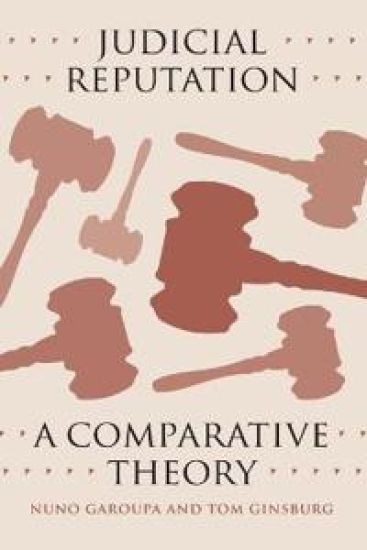
Judges are society's elders and experts, our masters and mediators. We depend on them to dispense justice with integrity, deliberation, and efficiency. Yet judges, as Alexander Hamilton famously noted, lack the power of the purse or the sword. They must rely almost entirely on their reputations to secure compliance with their decisions, obtain resources, and maintain their political influence. In Judicial Reputation, Nuno Garoupa and Tom Ginsburg show how reputation is not only an essential quality of the judiciary as a whole, but also of individual judges. Perceptions of judicial systems around the world range from widespread admiration to utter contempt, and as judges participate within these institutions some earn respect, while others are scorned. Transcending the conventional lenses of legal culture and tradition that are used to analyze this variation, Garoupa and Ginsburg approach the subject through their long-standing research on the economics of judiciary information and status, examining the fascinating effects that governmental interactions, multi-court systems, extrajudicial work, and the international rule-of-law movement have on the reputations of judges in this era.