Kirjojen hintavertailu – 12 859 819 kirjaa ja 27 kauppaa

Kirjailija

Nuria Triana-Toribio

Kirjat ja teokset yhdessä paikassa: 6 kirjaa, julkaisuja vuosilta 2002–2026, suosituimpiin kuuluu The Cinema of ÁLex De La Iglesia. Vertaile teosten hintoja ja tarkista saatavuus suomalaisista kirjakaupoista.

Nimi esiintyy myös muodoissa: Núria Triana-Toribio

6 kirjaa

Kirjojen julkaisuvuodet: 2002–2026.

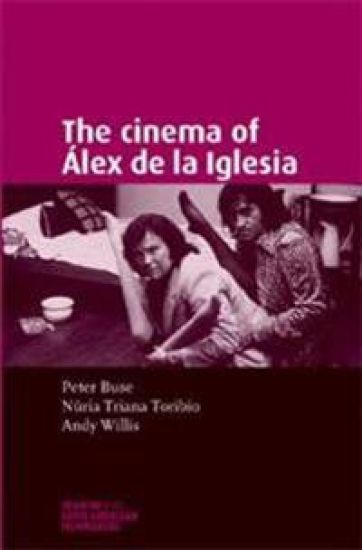
The Cinema of ÁLex De La Iglesia

The Cinema of ÁLex De La Iglesia

Andy Willis; Nuria Triana-Toribio; Peter Buse

Manchester University Press
2012
nidottu
Álex de la Iglesia, initially championed by Pedro Almodóvar, and at one time the enfant terrible of Spanish film, still makes film critics nervous. The director of some of the most important films of the Post-Franco era – Acción mutante, El día de la bestia, Muertos de risa – receives here the first full length study of his work. Breaking away from the pious tradition of acclaiming art-house auteurs, The cinema of Álex de la Iglesia tackles a new sort of beast: the popular auteur, who brings the provocation of the avant-garde to popular genres such as horror and comedy. This book brings together Anglo-American film theory, an exploration of the legal and economic history of Spanish audio-visual culture, a comprehensive knowledge of Spanish cultural forms and traditions (esperpento, sainete costumbrista) with a detailed textual analysis of all of Álex de la Iglesia’s seven feature films.
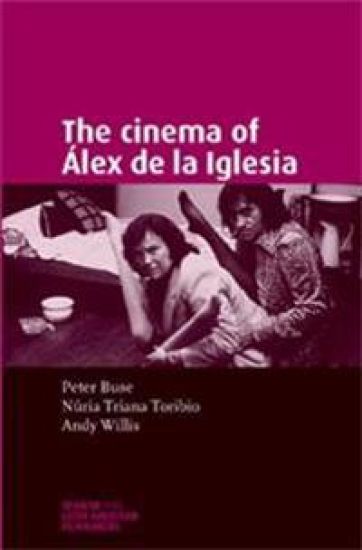
The Cinema of ÁLex De La Iglesia

The Cinema of ÁLex De La Iglesia

Andy Willis; Nuria Triana-Toribio; Peter Buse

Manchester University Press
2007
sidottu
Álex de la Iglesia, initially championed by Pedro Almodóvar, and at one time the enfant terrible of Spanish film, still makes film critics nervous. The director of some of the most important films of the Post-Franco era – Acción mutante, El día de la bestia, Muertos de risa – receives here the first full length study of his work. Breaking away from the pious tradition of acclaiming art-house auteurs, The cinema of Álex de la Iglesia tackles a new sort of beast: the popular auteur, who brings the provocation of the avant-garde to popular genres such as horror and comedy. This book brings together Anglo-American film theory, an exploration of the legal and economic history of Spanish audio-visual culture, a comprehensive knowledge of Spanish cultural forms and traditions (esperpento, sainete costumbrista) with a detailed textual analysis of all of Álex de la Iglesia’s seven feature films.
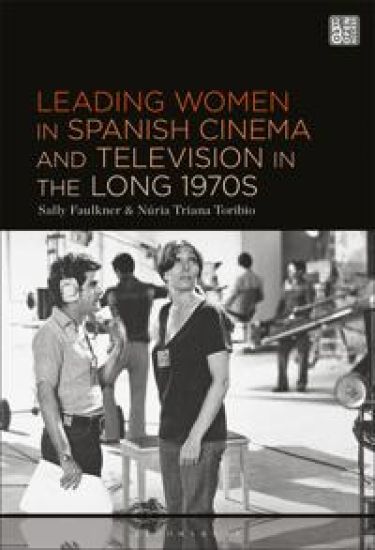
Leading Women in Spanish Cinema and Television, 1970-1980

Leading Women in Spanish Cinema and Television, 1970-1980

Sally Faulkner; Núria Triana-Toribio

BLOOMSBURY PUBLISHING PLC
2026
sidottu
This open access book offers a feminist cultural history of Spain of the 1970s, exploring the work of women in the audio-visual industries who joined the workforce in significant numbers over this decade of Transition from the Franco dictatorship, to a democracy that enshrined gender equality in its constitution of 1978. The innovations of Leading Women in Spanish Cinema and Television, 1970-1980 seeks the work of women in new places and analyses it in new ways. Rejecting the director-auteur approach, which has endured for over 75 years in both Film and Television Studies - despite the fact that it tends to occlude the work of women - the authors look instead at below-the-line roles in cinema. In particular, they investigate editing, forgotten or overlooked areas of television broadcasting, such as children’s programming, and film activism in the period, such as in the co-operative Drac Màgic: this is where the work of women can be found. The ebook editions of this book are available open access under a CC BY-NC-ND 4.0 licence on bloomsburycollections.com. Open access was funded by The Arts and Humanities Research Council.
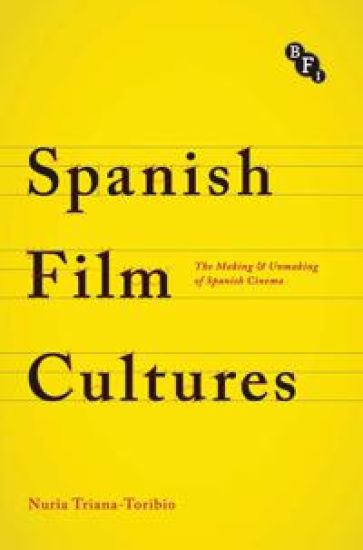
Spanish Film Cultures

Spanish Film Cultures

Núria Triana-Toribio

BFI Publishing
2016
nidottu
The past four decades have seen the Spanish film industry rise from isolation in the 1970s to international recognition within European and World Cinema today. Exploring the cultural and political imperatives that governed this success, this book shows how Spanish film culture was deliberately and strategically shaped into its current form.
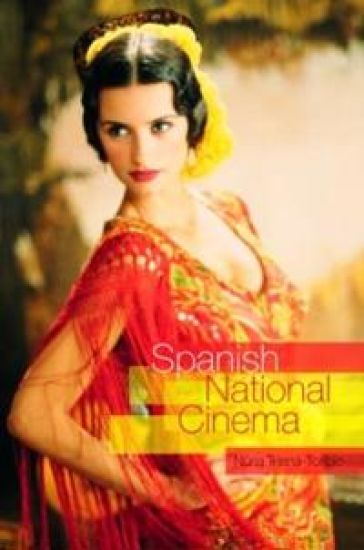
Spanish National Cinema

Spanish National Cinema

Nuria Triana-Toribio

Routledge
2002
nidottu
This study examines the discourses of nationalism as they intersected or clashed with Spanish film production from its inception to the present. While the book addresses the discourses around filmmakers such as Almodóvar and Medem, whose work has achieved international recognition, Spanish National Cinema is particularly novel in its treatment of a whole range of popular cinema rarely touched on in studies of Spanish cinema. Using accounts of films, popular film magazines and documents not readily available to an English-speaking audience, as well as case studies focusing on the key issues of each epoch, this volume illuminates the complex and changing relationship between cinema and Spanish national identity.
Spanish National Cinema

Spanish National Cinema

Nuria Triana-Toribio

Routledge
2002
sidottu
This study examines the discourses of nationalism as they intersected or clashed with Spanish film production from its inception to the present. While the book addresses the discourses around filmmakers such as Almodóvar and Medem, whose work has achieved international recognition, Spanish National Cinema is particularly novel in its treatment of a whole range of popular cinema rarely touched on in studies of Spanish cinema. Using accounts of films, popular film magazines and documents not readily available to an English-speaking audience, as well as case studies focusing on the key issues of each epoch, this volume illuminates the complex and changing relationship between cinema and Spanish national identity.