
Kirjojen hintavertailu – 12 859 818 kirjaa ja 27 kauppaa

Kirjailija

O'Hanlon Bill

Kirjat ja teokset yhdessä paikassa: 2 kirjaa, julkaisuja vuosilta 1993–1996, suosituimpiin kuuluu Stop Blaming, Start Loving!. Vertaile teosten hintoja ja tarkista saatavuus suomalaisista kirjakaupoista.

2 kirjaa

Kirjojen julkaisuvuodet: 1993–1996.

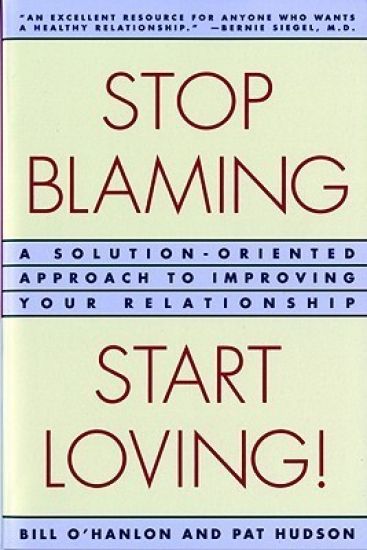
Stop Blaming, Start Loving!

Stop Blaming, Start Loving!

O'Hanlon Patricia Hudson; O'Hanlon Bill

WW Norton Co
1996
nidottu
Here is a fresh, new approach to relationships. It goes beyond analyzing relationships to changing them, even if one partner isn't interested. Using a solution-oriented approach, the authors show readers how to: break free of old patterns in days or weeks, not months or yearsquickly and easily solve relationship problemsimprove their sex lifeincrease feelings of love and closenessget over past hurts. Since making the shift from analyzing the past to plotting the future is not easy, Bill O'Hanlon and Pat Hudson summarize key points and action steps for each change. They share the stories of their friends and therapy clients who have stopped blaming and started loving, inspiring their readers to be creative as they transform today's dreams of more romance and happiness into tomorrow's reality.

Solution-Oriented Hypnosis

Solution-Oriented Hypnosis

O'Hanlon Bill; Michael Martin

WW Norton Co
1993
nidottu
When most people think of "hypnosis" they imagine either a sinister, Mesmeresque figure declaring to his subject "you're getting sleepier and sleepier ... your eyelids are getting heavier and heavier, you vill go into trance," or an entertainer compelling a subject to "cluck like a chicken." In this comprehensive introduction to hypnosis based on the pioneering work of Milton H. Erickson, Bill O'Hanlon demystifies the concept of "trance" and "hypnosis." He goes to the heart of the subject by answering the question: "What is trance?" But be forewarned: This is no dry, formal discourse on trance induction techniques. Rather, readers are invited to share the experience of attending one of O'Hanlon's lively and popular two-day workshops on Ericksonian hypnosis. In an energetic and often humorous manner, O'Hanlon takes his audience through the basics of trance induction and explains the how, what, and why of hypnosis. Readers familiar with Erickson's work will be delighted at the author's Class of Problems/Class of Solutions approach, which deconstructs Ericksonian interventions and provides a powerful new tool in directing clients toward solution. Each individual element of trance induction is explained clearly, through the use of case examples, demonstrations, and audience participation exercises. The book's gradual approach takes readers through the hypnotic process in a step-by-step fashion, increasing their skills and confidence.