
Kirjojen hintavertailu – 12 859 819 kirjaa ja 27 kauppaa

Kirjailija

Obayd-e Zakani

Kirjat ja teokset yhdessä paikassa: 2 kirjaa, julkaisuja vuosilta 2012–2014, suosituimpiin kuuluu Faces of Love. Vertaile teosten hintoja ja tarkista saatavuus suomalaisista kirjakaupoista.

2 kirjaa

Kirjojen julkaisuvuodet: 2012–2014.

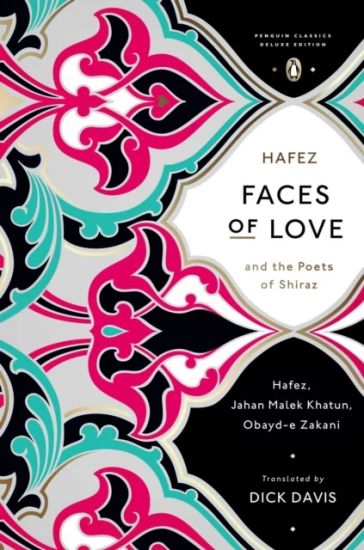
Faces of Love

Faces of Love

Hafez; Obayd-e Zakani; Jahan Malek Khatun

Penguin Classics
2014
nidottu

Halvin toimitettuna 18,70 €

Acclaimed translator Dick Davis breathes new life into the timeless works of three masters of fourteenth-century Persian literature. Together, Hafez, a giant of world literature; Jahan Malek Khatun, an eloquent princess; and Obayd-e Zakani, a dissolute satirist, represent one of the most remarkable literary flowerings of any era. All three lived in the famed city of Shiraz, a provincial capital of south-central Iran, and all three drew support from arts-loving rulers during a time better known for its violence than its creative brilliance. Here Dick Davis, an award-winning poet widely considered 'our finest translator of Persian poetry' (The Times Literary Supplement), presents a diverse selection of some of the best poems by these world-renowned authors and shows us the spiritual and secular aspects of love, in varieties embracing every aspect of the human heart. A Choice Magazine Outstanding Academic Title for 2013Dick Davis is a translator, a poet, and a scholar of Persian literature who has published more than twenty books. He is a fellow of the Royal Society of Literature and has taught at the University of California at Santa Barbara and Ohio State University. He lives in Columbus, Ohio.

Faces of Love

Faces of Love

Shams al-Din Mohammad Hafez; Jahan Malek Khatun; Obayd-e Zakani

Mage Publishers
2012
nidottu
A giant of world literature, an eloquent princess, a dissolute satirist -- these are the three voices translated from fourteenth-century Persian by Dick Davis in Faces of Love. Together, they represent one of the most remarkable literary flowerings of any era. All three -- Hafez, Jahan Malek Khatun, and Obayd-e Zakani -- lived in Shiraz, a provincial capital in south-central Iran, and all drew support from arts-loving rulers at a time better known for invasions and political violence. Love was a frequent subject of their work: spiritual as well as secular, in varieties embracing every aspect of the human heart. They could hardly have been more different. Hafez -- destined to win fame throughout the world -- wrote lyrical poetry that was subtle, elusive, and rich in ambiguity. Jahan -- largely forgotten until recent decades -- was a privileged princess who could evoke passion, longing and heartbreak with uncanny power.(As Davis says: "To have this extraordinary poets fascinating and often very beautiful poems emerge from six hundred years of virtual oblivion seems almost miraculous") Obayd -- a satirist and truth-teller -- celebrated every pleasure of the flesh in language of astonishing and occasionally obscene honesty.