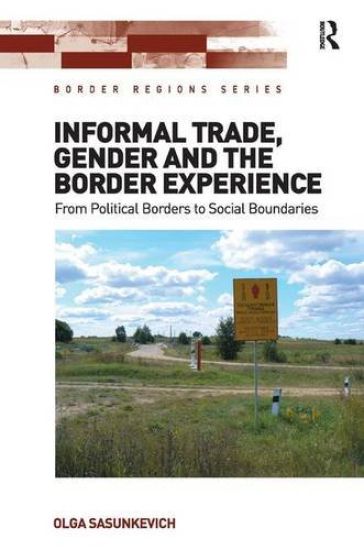
Kirjojen hintavertailu – 12 859 818 kirjaa ja 27 kauppaa

Kirjailija

Olga Sasunkevich

Kirjat ja teokset yhdessä paikassa: 4 kirjaa, julkaisuja vuosilta 2015–2021, suosituimpiin kuuluu Feminist and LGBTI+ Activism across Russia, Scandinavia and Turkey. Vertaile teosten hintoja ja tarkista saatavuus suomalaisista kirjakaupoista.

4 kirjaa

Kirjojen julkaisuvuodet: 2015–2021.

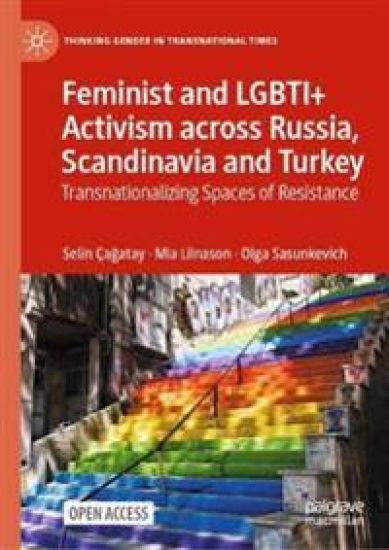
Feminist and LGBTI+ Activism across Russia, Scandinavia and Turkey

Feminist and LGBTI+ Activism across Russia, Scandinavia and Turkey

Selin Çagatay; Mia Liinason; Olga Sasunkevich

Springer Nature Switzerland AG
2021
sidottu
What do struggles for women’s and LGBTI+ rights in Russia, Turkey and the Scandinavian countries have in common? And what can actors who struggle for rights and justice in these contexts learn from each other? Based on a multisited ethnography of feminist and LGBTI+ activisms across Russia, Turkey and the Scandinavian countries, this Open Access book explores transnational struggles on various levels, from the micro-scale of the everyday to large-scale, spectacular events. Drawing on ethnographic insights and encounters from various sites, this book conceptualizes resistance as situated in the grey zone between barely perceptible, even hidden or covert, forms of mundane activist practices and highly visible street protests, gathering large crowds. Taking the reader beyond the dichotomies of visible/invisible and public/private, this book advances new understandings of resistance, solidarity, and activism in transnationalizing feminist and queer struggles, illustrated by rich ethnographic case studies from Russia, Scandinavia and Turkey.
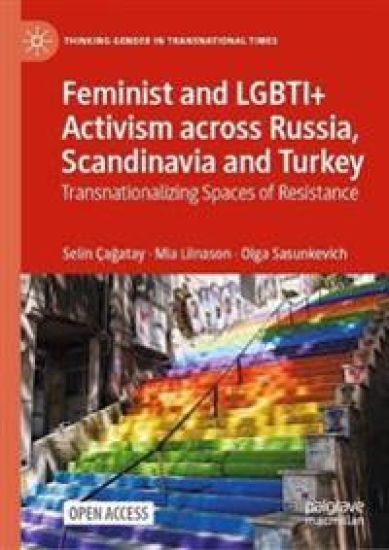
Feminist and LGBTI+ Activism across Russia, Scandinavia and Turkey

Feminist and LGBTI+ Activism across Russia, Scandinavia and Turkey

Selin Çagatay; Mia Liinason; Olga Sasunkevich

Springer Nature Switzerland AG
2021
nidottu
What do struggles for women’s and LGBTI+ rights in Russia, Turkey and the Scandinavian countries have in common? And what can actors who struggle for rights and justice in these contexts learn from each other? Based on a multisited ethnography of feminist and LGBTI+ activisms across Russia, Turkey and the Scandinavian countries, this Open Access book explores transnational struggles on various levels, from the micro-scale of the everyday to large-scale, spectacular events. Drawing on ethnographic insights and encounters from various sites, this book conceptualizes resistance as situated in the grey zone between barely perceptible, even hidden or covert, forms of mundane activist practices and highly visible street protests, gathering large crowds. Taking the reader beyond the dichotomies of visible/invisible and public/private, this book advances new understandings of resistance, solidarity, and activism in transnationalizing feminist and queer struggles, illustrated by rich ethnographic case studies from Russia, Scandinavia and Turkey.
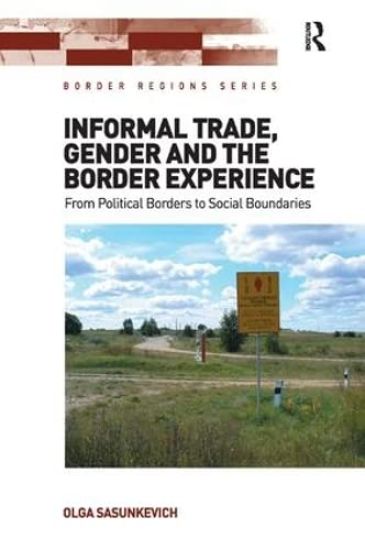
Informal Trade, Gender and the Border Experience
Detailing the history of a well-known phenomenon of post-socialism - cross-border petty trade and smuggling - as the history of a practice in daily life from a gendered perspective, this book considers how changes in these practices in a particular border region, between Belarus and Lithuania, have been accompanied, and to some extent provoked, by changes in the border regime. It looks at how the selective openness of the Belarus-Lithuania border worked during different periods over the last twenty years and how it influenced the involvement of different social groups in shuttle trade practices. Foremost, this book considers how political borders implement and/or intensify social boundaries and suggests that the selective openness of political borders, a prerequisite for the existence of female shuttle trade activities, is primarily built upon people’s social characteristics. However, it claims that what can be seen as the grounds for growing inequality at a global level, at a local one may have an important resourceful meaning for various social groups including those usually perceived as disadvantaged, such as widowed female retirees or unemployed single women with children.