Kirjojen hintavertailu – 12 903 724 kirjaa ja 27 kauppaa

Kirjailija

Oli Mould

Kirjat ja teokset yhdessä paikassa: 10 kirjaa, julkaisuja vuosilta 2015–2026, suosituimpiin kuuluu Against Creativity. Vertaile teosten hintoja ja tarkista saatavuus suomalaisista kirjakaupoista.

10 kirjaa

Kirjojen julkaisuvuodet: 2015–2026.

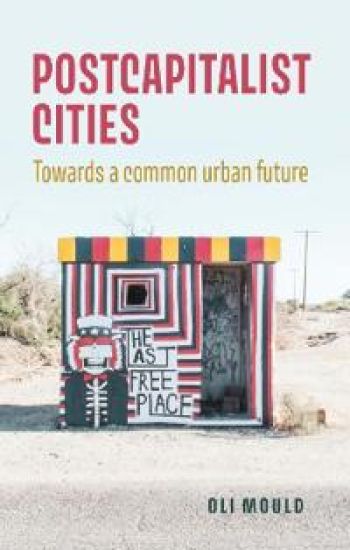
Postcapitalist Cities

Postcapitalist Cities

Oli Mould

MANCHESTER UNIVERSITY PRESS
2026
nidottu

Halvin toimitettuna 29,80 €

A visionary exploration of what the city might be in a postcapitalist world. In a world dominated by capitalism, where urban landscapes suffer from inequality, environmental degradation and social strife, a vision for what comes next is vital. Postcapitalist cities guides readers through contemporary urban life, presenting a transformative urban blueprint for a future of equity, sustainability and communal well-being. Combining vivid case studies with historical analysis and theoretical exploration, the book reveals how capitalism has shaped our cities and uncovers the revolutionary post-capitalist potential within them. From the urban protests of 1968 and the fare strikes in Santiago to urban commoning and the solarpunk movement, this book reveals how communities are planting seeds of radical transformation. Postcapitalist cities is a poignant critique but also a celebration of emerging urban practices that prioritise human dignity, democracy and social justice. It invites readers to dream, analyse and act. Whether you're an urban planner, activist, scholar or concerned citizen, this book provides the tools and inspiration to build cities where humanity can truly flourish.
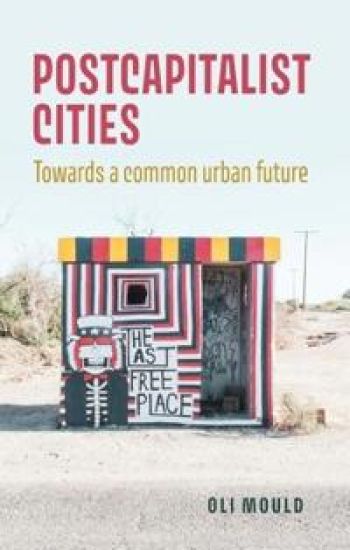
Postcapitalist Cities

Postcapitalist Cities

Oli Mould

MANCHESTER UNIVERSITY PRESS
2026
sidottu
A visionary exploration of what the city might be in a postcapitalist world. In a world dominated by capitalism, where urban landscapes suffer from inequality, environmental degradation and social strife, a vision for what comes next is vital. Postcapitalist cities guides readers through contemporary urban life, presenting a transformative urban blueprint for a future of equity, sustainability and communal well-being. Combining vivid case studies with historical analysis and theoretical exploration, the book reveals how capitalism has shaped our cities and uncovers the revolutionary post-capitalist potential within them. From the urban protests of 1968 and the fare strikes in Santiago to urban commoning and the solarpunk movement, this book reveals how communities are planting seeds of radical transformation. Postcapitalist cities is a poignant critique but also a celebration of emerging urban practices that prioritise human dignity, democracy and social justice. It invites readers to dream, analyse and act. Whether you're an urban planner, activist, scholar or concerned citizen, this book provides the tools and inspiration to build cities where humanity can truly flourish.
Seven Ethics Against Capitalism

Seven Ethics Against Capitalism

Oli Mould

Polity Press
2021
sidottu
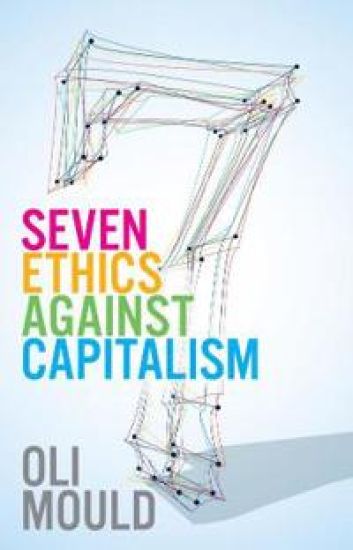
Capitalism has become so dominant that it is difficult to ever imagine a world in which its injustices and inequalities are not violently present. In this ambitious and compelling book, Oli Mould turns his diagnosis of capitalism's perversions towards defining the new set of ethics we need to succeed in organizing a more just society. In the wake of the coronavirus pandemic, capitalism has been rocked to its foundations and 'the commons' as a means of providing for all people in our world has come crashing into the foreground. However, in order for the commons to be a viable alternative to the injustices of capitalism, it needs to be grown to a planetary scale. This is not an easy process, but if we can commit to act ethically in the world, then suddenly anything is possible. Blending theoretical thinking and real-life examples of commoning in action, Mould guides the reader through a suite of ethical mindsets – mutualism, transmaterialism, minoritarianism, decodification, slowness, failure and love – which can stand firm against capitalism's seemingly inexorable ability to co-opt and subsume all before it. When thought of collectively, these ethics can offer tantalizing visions and practical approaches towards a world beyond capitalism.
Seven Ethics Against Capitalism

Seven Ethics Against Capitalism

Oli Mould

Polity Press
2021
nidottu
Capitalism has become so dominant that it is difficult to ever imagine a world in which its injustices and inequalities are not violently present. In this ambitious and compelling book, Oli Mould turns his diagnosis of capitalism's perversions towards defining the new set of ethics we need to succeed in organizing a more just society. In the wake of the coronavirus pandemic, capitalism has been rocked to its foundations and 'the commons' as a means of providing for all people in our world has come crashing into the foreground. However, in order for the commons to be a viable alternative to the injustices of capitalism, it needs to be grown to a planetary scale. This is not an easy process, but if we can commit to act ethically in the world, then suddenly anything is possible. Blending theoretical thinking and real-life examples of commoning in action, Mould guides the reader through a suite of ethical mindsets – mutualism, transmaterialism, minoritarianism, decodification, slowness, failure and love – which can stand firm against capitalism's seemingly inexorable ability to co-opt and subsume all before it. When thought of collectively, these ethics can offer tantalizing visions and practical approaches towards a world beyond capitalism.
Against Creativity

Against Creativity

Oli Mould

Verso Books
2020
nidottu
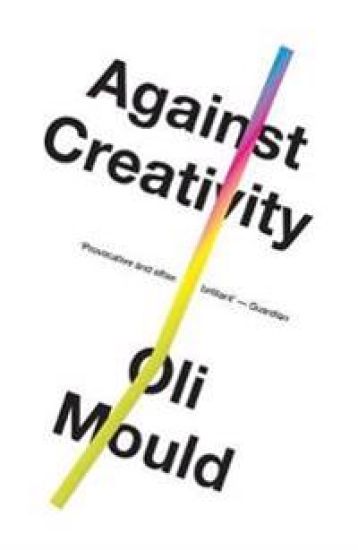
From line managers, corporate CEOs, urban designers, teachers, politicians, mayors, advertisers and even our friends and family, the message is 'be creative'. Creativity is heralded as the driving force of our contemporary society; celebrated as agile, progressive and liberating. It is the spring of the knowledge economy and shapes the cities we inhabit. It even defines our politics. What could possibly be wrong with this? In this brilliant, counter intuitive blast Oli Mould demands that we rethink the story we are being sold. Behind the novelty, he shows that creativity is a barely hidden form of neoliberal appropriation. It is a regime that prioritizes individual success over collective flourishing. It refuses to recognise anything - job, place, person - that is not profitable. And it impacts on everything around us: the places where we work, the way we are managed, how we spend our leisure time.
Against Creativity

Against Creativity

Oli Mould

Verso Books
2018
sidottu
From line managers, corporate CEOs, urban designers, teachers, politicians, mayors, advertisers and even our friends and family, the message is 'be creative'. Creativity is heralded as the driving force of our contemporary society; celebrated as agile, progressive and liberating. It is the spring of the knowledge economy and shapes the cities we inhabit. It even defines our politics. What could possibly be wrong with this? In this brilliant, counter intuitive blast Oli Mould demands that we rethink the story we are being sold. Behind the novelty, he shows that creativity is a barely hidden form of neoliberal appropriation. It is a regime that prioritizes individual success over collective flourishing. It refuses to recognise anything - job, place, person - that is not profitable. And it impacts on everything around us: the places where we work, the way we are managed, how we spend our leisure time. Is there an alternative? Mould offers a radical redefinition of creativity, one embedded in the idea of collective flourishing, outside the tyranny of profit. Bold, passionate and refreshing, Against Creativity, is a timely correction to the doctrine of our times.

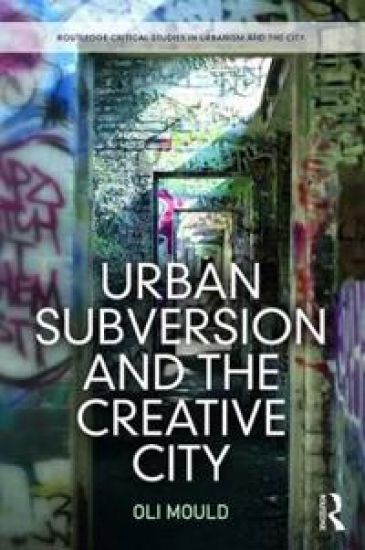
Urban Subversion and the Creative City
Check out the author's video to find out more about the book: https://vimeo.com/124247409This book provides a comprehensive critique of the current Creative City paradigm, with a capital ‘C’, and argues for a creative city with a small ‘c’ via a theoretical exploration of urban subversion. The book argues that the Creative City (with a capital 'C') is a systemic requirement of neoliberal capitalist urban development and part of the wider policy framework of ‘creativity’ that includes the creative industries and the creative class, and also has inequalities and injustices in-built. The book argues that the Creative City does stimulate creativity, but through a reaction to it, not as part of it. Creative City policies speak of having mechanisms to stimulate individual, collective or civic creativity, yet through a theoretical exploration of urban subversion, the book argues that to be 'truly' creative is to be radically different from those creative practices that the Creative City caters for. Moreover, the book analyses the role that urban subversion and subcultures have in the contemporary city in challenging the dominant political economic hegemony of urban creativity. Creative activities of people from cities all over the world are discussed and critically analysed to highlight how urban creativity has become co-opted for political and economic goals, but through a radical reconceptualisation of what creativity is that includes urban subversion, we can begin to realise a creative city (with a small 'c').
Urban Subversion and the Creative City
Check out the author's video to find out more about the book: https://vimeo.com/124247409This book provides a comprehensive critique of the current Creative City paradigm, with a capital ‘C’, and argues for a creative city with a small ‘c’ via a theoretical exploration of urban subversion. The book argues that the Creative City (with a capital 'C') is a systemic requirement of neoliberal capitalist urban development and part of the wider policy framework of ‘creativity’ that includes the creative industries and the creative class, and also has inequalities and injustices in-built. The book argues that the Creative City does stimulate creativity, but through a reaction to it, not as part of it. Creative City policies speak of having mechanisms to stimulate individual, collective or civic creativity, yet through a theoretical exploration of urban subversion, the book argues that to be 'truly' creative is to be radically different from those creative practices that the Creative City caters for. Moreover, the book analyses the role that urban subversion and subcultures have in the contemporary city in challenging the dominant political economic hegemony of urban creativity. Creative activities of people from cities all over the world are discussed and critically analysed to highlight how urban creativity has become co-opted for political and economic goals, but through a radical reconceptualisation of what creativity is that includes urban subversion, we can begin to realise a creative city (with a small 'c').