Kirjojen hintavertailu – 12 878 042 kirjaa ja 26 kauppaa

Kirjailija

Oliver Buckton

Kirjat ja teokset yhdessä paikassa: 5 kirjaa, julkaisuja vuosilta 2015–2025, suosituimpiin kuuluu The World Is Not Enough. Vertaile teosten hintoja ja tarkista saatavuus suomalaisista kirjakaupoista.

5 kirjaa

Kirjojen julkaisuvuodet: 2015–2025.

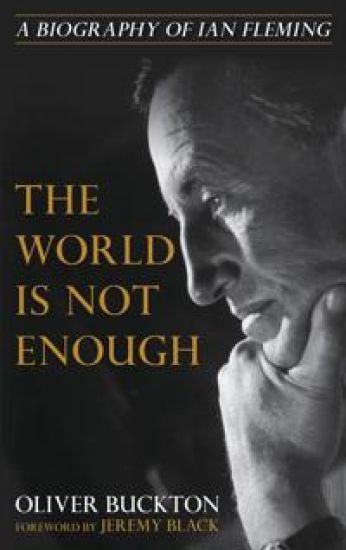
The World Is Not Enough

The World Is Not Enough

Jeremy Black; Oliver Buckton

BLOOMSBURY PUBLISHING PLC
2025
nidottu
The definitive history of the flamboyant life of Ian Fleming and his most famous creation, James Bond. This new biography of Ian Fleming presents a fresh and illuminating portrayal of the iconic creator of James Bond. Oliver Buckton provides the first in-depth exploration of the entire process of Ian Fleming’s writing—from initial conception, through composition, to his involvement in the innovative publication methods of his books. He also investigates the vital impact of Fleming’s work in naval intelligence during World War Two on his later writings, especially the wartime operations he planned and executed and how they drove the plots of the James Bond novels. Offering a radically new view of Fleming’s relationships with women and their influence on Fleming’s work, and concluding with a thorough analysis of the James Bond films, The World is Not Enough is a fascinating investigation into the life and works of a celebrated writer.
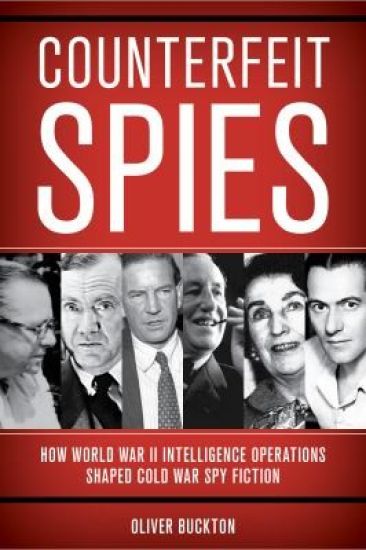
Counterfeit Spies

Counterfeit Spies

Oliver Buckton

BLOOMSBURY PUBLISHING PLC
2024
sidottu
A fascinating exploration of the roles many spy novelists played during World War II and the influence of intelligence work on their writing. World War II deception operations created elaborate fictions and subterfuges to prevent the enemy from apprehending the true targets and objectives of Allied forces. These operations shortened the war considerably and saved countless lives—and they were often invented, proposed, and sometimes executed by creative minds that would come to be known worldwide for their spy novels. In Counterfeit Spies: How World War II Intelligence Operations Shaped Cold War Spy Fiction, Oliver Buckton reveals the involvement of writers in wartime deceptions and shows how those operations would later impact their work. He also examines how the details, personnel, and methods of the GARBO network, Operation Mincemeat, Philby’s treason, Operation Bodyguard, and more were translated from real life into spy fiction by these authors, necessitated by the Official Secrets Act which prevented writers from sharing their experiences in memoirs or other nonfiction works. Featuring Ian Fleming, Dennis Wheatley, Graham Greene, Helen MacInnes, John Bingham, and John le Carré, Counterfeit Spies is a captivating examination of the brilliant novelists who took wartime espionage and deception to another level with their enduring works that continue to entertain and fascinate readers today.
The World Is Not Enough

The World Is Not Enough

Oliver Buckton

Rowman Littlefield
2021
sidottu
The definitive history of the flamboyant life of Ian Fleming and his most famous creation, James Bond. This new biography of Ian Fleming presents a fresh and illuminating portrayal of the iconic creator of James Bond. Oliver Buckton provides the first in-depth exploration of the entire process of Ian Fleming’s writing—from initial conception, through composition, to his involvement in the innovative publication methods of his books. He also investigates the vital impact of Fleming’s work in naval intelligence during World War Two on his later writings, especially the wartime operations he planned and executed and how they drove the plots of the James Bond novels. Buckton considers the vital role of wartime deception, disinformation, and propaganda in shaping Fleming’s later techniques and imaginative creations. Offering a radically new view of Fleming’s relationships with women, Buckton traces the role of strong, independent, and intelligent women such as Maud Russell, Phyllis Bottome, and his wife, Ann, on Fleming’s portrayal of female characters. The book concludes with a thorough analysis of the James Bond films from Eon productions, and their influence in promoting, while also distorting, the public’s recognition of Fleming’s writing.
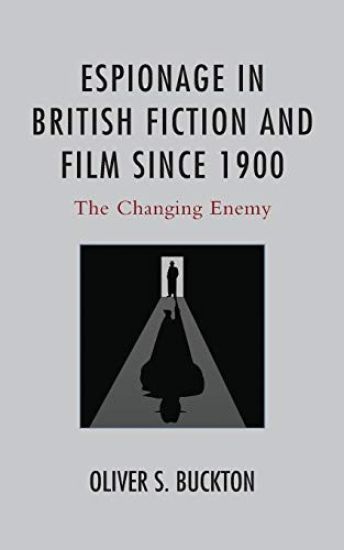
Espionage in British Fiction and Film since 1900
Espionage in British Fiction and Film Since 1900 traces the history and development of the British spy novel from its emergence in the early twentieth century, through its growth as a popular genre during the Cold War, to its resurgence in the early twenty-first century. Using an innovative structure, the chapters focus on specific categories of fictional spying (such as the accidental spy or the professional) and identify each type with a vital period in the evolution of the spy novel and film. A central section of the book considers how, with the creation of James Bond by Ian Fleming in the 1950s, the professional spy was launched on a new career of global popularity, enhanced by the Bond film franchise. In the realm of fiction, a glance at the fiction bestseller list will reveal the continuing appeal of novelists such as John le Carré, Frederick Forsyth, Charles Cumming, Stella Rimington, Daniel Silva, Alec Berenson, Christopher Reich—to name but a few—and illustrates the continued fascination with the spy novel into the twenty-first century, decades after the end of the Cold War. There is also a burgeoning critical interest in spy fiction, with a number of new studies appearing in recent years. A genre that many believed would falter and disappear after the fall of the Berlin Wall and the collapse of the Soviet empire has shown, if anything, increased signs of vitality. While exploring the origins of the British spy, tracing it through cultural and historical events, Espionage in British Fiction and Film Since 1900 also keeps in focus the essential role of the “changing enemy”—the chief adversary of and threat to Britain and its allies—in the evolution of spy fiction and cinema. The book concludes by analyzing examples of the enduring vitality of the British spy novel and film in the decades since the end of the Cold War.