Kirjojen hintavertailu – 12 903 725 kirjaa ja 27 kauppaa

Kirjailija

Omer C. Stewart

Kirjat ja teokset yhdessä paikassa: 5 kirjaa, julkaisuja vuosilta 1971–2013, suosituimpiin kuuluu Peyote Religion. Vertaile teosten hintoja ja tarkista saatavuus suomalaisista kirjakaupoista.

5 kirjaa

Kirjojen julkaisuvuodet: 1971–2013.

Peyote Religion

Peyote Religion

Omer C. Stewart

University of Oklahoma Press
1993
nidottu
In this definitive work-a product of more than half a century of research and close observation-the noted anthropologist Omer C. Stewart provides a sweeping reconstruction of the rise of peyotism and the Native American Church. Although it is commonly known that the modern peyote religion became formalized around 1880 in western Oklahoma, it had roots in precontact American Indian ritual. Today it is practiced by thousands upon thousands of American Indians throughout the West. Long a subject of controversy, peyotism has become a unifying influence in Indian life, providing the basis for ceremonies, friendships, social gatherings, travel, marriage, and much more. As Stewart demonstrates, it has been a source of comfort and healing and a means of expression for a troubled people.

Navaho and Ute Peyotism: A Chronological and Distributional Study

Navaho and Ute Peyotism: A Chronological and Distributional Study

David F. Aberle; Omer C. Stewart

Literary Licensing, LLC
2013
sidottu
""Navaho And Ute Peyotism: A Chronological And Distributional Study"" is a book written by David F. Aberle that explores the history and distribution of peyotism among the Navaho and Ute tribes of North America. The book provides a detailed analysis of the use of peyote, a hallucinogenic cactus, in religious ceremonies and rituals by these two tribes. Aberle examines the origins of peyotism among the Navaho and Ute, tracing its development over time and its spread throughout different regions. He also investigates the social and cultural impact of peyotism on these two tribes, including its role in shaping their spiritual beliefs and practices. The book is a valuable resource for scholars and researchers interested in the history and culture of Native American tribes and their religious practices. University Of Colorado Studies, Series In Anthropology, No. 6. This scarce antiquarian book is a facsimile reprint of the old original and may contain some imperfections such as library marks and notations. Because we believe this work is culturally important, we have made it available as part of our commitment for protecting, preserving, and promoting the world's literature in affordable, high quality, modern editions, that are true to their original work.
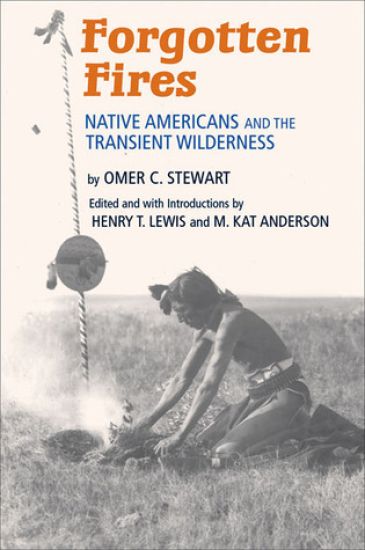
Forgotten Fires

Forgotten Fires

Omer C. Stewart

University of Oklahoma Press
2009
nidottu
A common stereotype about American Indians is that for centuries they lived in stataic harmony with nature in a pristine wilderness that remained unchanged until European colonization. Omer C. Stewart was one of the first anthropologists to recognize that Native Americans made significant impact across a wide range of environments. Most important, they regularly used fire to manage plant communities and associated animal species through varied and localized habitat burning. In Forgotten Fires, editors Henry T. Lewis and M. Kat Anderson present Stewart's original research and insights, presented in the 1950s yet still provocative today. Significant portions of Stewart's text have not been available until now, and Lewis and Anderson set Stewart's findings in the context of current knowledge about Native hunter-gathers and their uses of fire. This volume shows that for thousands of years, the North American landscape has been regularly shaped and renewed by the land and fire management practices of North American Indians.
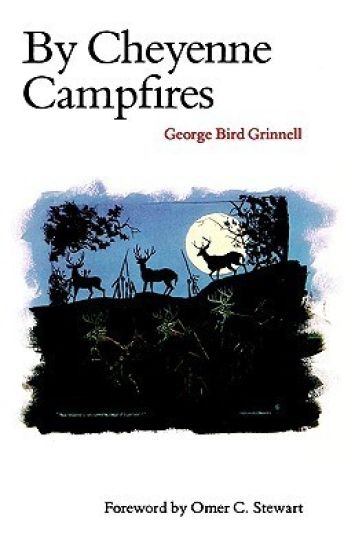
By Cheyenne Campfires

By Cheyenne Campfires

George Bird Grinnell; Omer C. Stewart

Bison Books
1971
pokkari
Here are the folk tales of the Cheyenne--stories of their heroes, their wars, their relationships with supernatural powers--as told to George Bird Grinnell during the winter months in Cheyenne tipis. "Of all the books written about Indians," say Margaret Mead and Ruth L. Benzel in The Golden Age of American Anthropology, "none comes closer to their everyday life than Grinnell's classic monograph on the Cheyenne. Reading it, one can smell the buffalo grass and the wood fires, feel the heavy morning dew on the prairie."