
Kirjojen hintavertailu – 12 859 824 kirjaa ja 27 kauppaa

Kirjailija

Omer Erturk

Kirjat ja teokset yhdessä paikassa: 2 kirjaa, julkaisuja vuosilta 2023–2024, suosituimpiin kuuluu Populism, Authoritarianism and Necropolitics. Vertaile teosten hintoja ja tarkista saatavuus suomalaisista kirjakaupoista.

2 kirjaa

Kirjojen julkaisuvuodet: 2023–2024.

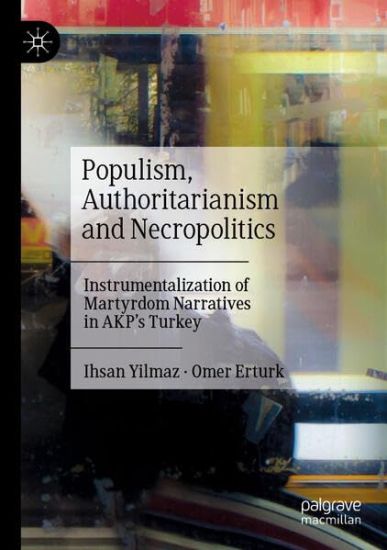
Populism, Authoritarianism and Necropolitics

Populism, Authoritarianism and Necropolitics

Ihsan Yilmaz; Omer Erturk

SPRINGER VERLAG, SINGAPORE
2024
nidottu
This book examines how Turkey’s ruling party, the Justice and Development Party (AKP), under the leadership of Recep Tayyip Erdogan produces and employs necropolitical narratives in order to perpetuate its authoritarian rule. In doing so, the book argues that as the party transitioned from socially conservative Muslim democratic values to authoritarian Islamism, it embraced a necropolitical narrative based on the promotion of martyrdom, and of killing and dying for the Turkish nation and Islam, as part of their authoritarian legitimation. This narrative, the book shows, is used by the party to legitimise its actions and deflect its failures through the framing of the deaths of Turkish soldiers and civilians, which have occurred due to the AKP’s political errors, as martyrdom events in which loyal servants of the Turkish Republic and God gave their lives in order to protect the nation in a time of great crisis. This book also describes how, throughout its second decade in power, the AKP has used Turkey’s education system, its Directorate of Religious Affairs, and television programs in order to propagate its necropolitical martyrdom narrative.
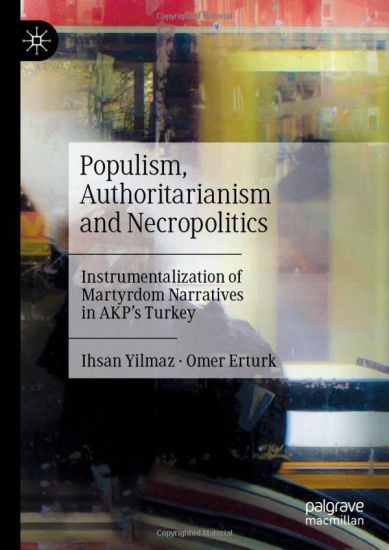
Populism, Authoritarianism and Necropolitics

Populism, Authoritarianism and Necropolitics

Ihsan Yilmaz; Omer Erturk

SPRINGER VERLAG, SINGAPORE
2023
sidottu
This book examines how Turkey’s ruling party, the Justice and Development Party (AKP), under the leadership of Recep Tayyip Erdogan produces and employs necropolitical narratives in order to perpetuate its authoritarian rule. In doing so, the book argues that as the party transitioned from socially conservative Muslim democratic values to authoritarian Islamism, it embraced a necropolitical narrative based on the promotion of martyrdom, and of killing and dying for the Turkish nation and Islam, as part of their authoritarian legitimation. This narrative, the book shows, is used by the party to legitimise its actions and deflect its failures through the framing of the deaths of Turkish soldiers and civilians, which have occurred due to the AKP’s political errors, as martyrdom events in which loyal servants of the Turkish Republic and God gave their lives in order to protect the nation in a time of great crisis. This book also describes how, throughout its second decade in power, the AKP has used Turkey’s education system, its Directorate of Religious Affairs, and television programs in order to propagate its necropolitical martyrdom narrative.