Kirjojen hintavertailu – 12 870 671 kirjaa ja 27 kauppaa

Kirjailija

Ömer Taspinar

Kirjat ja teokset yhdessä paikassa: 7 kirjaa, julkaisuja vuosilta 2004–2024, suosituimpiin kuuluu What the West is Getting Wrong about the Middle East. Vertaile teosten hintoja ja tarkista saatavuus suomalaisista kirjakaupoista.

Nimi esiintyy myös muodoissa: Omer Taspinar

7 kirjaa

Kirjojen julkaisuvuodet: 2004–2024.

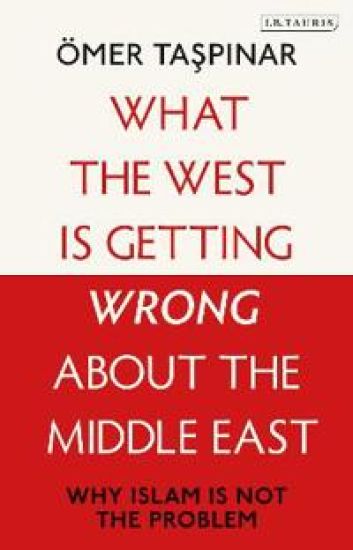
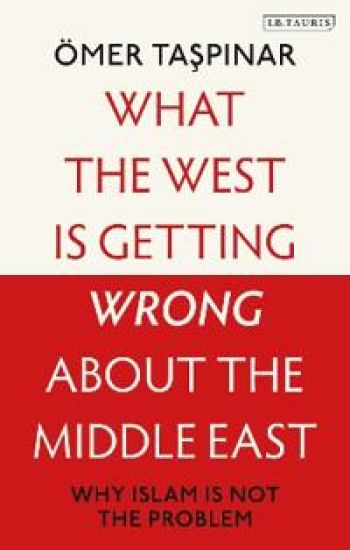
What the West is Getting Wrong about the Middle East

What the West is Getting Wrong about the Middle East

Ömer Taspinar

BLOOMSBURY PUBLISHING PLC
2024
nidottu
The West’s actions in the Middle East are based on a fundamental misunderstanding: political Islam is repeatedly assumed to be the main cause of conflict and unrest in the region. The idea that we can decipher Jihadist radicalization or problems in the Middle East simply by reading the Qur’an has now become symptomatic of our age. This dangerous over-simplification and the West’s obsession with Islam dominates media and policy analysis, ultimately skewing intervention and preventing long-term solutions and stability in the region. Ömer Taspinar, who has 20 years’ research and policymaking experience, explains here what is really going on in the Middle East. The book is based on three of the most pressing cases currently under the spotlight: the role of Erdogan and the unrest in Turkey; the sectarian clashes in Iraq, Syria, Yemen and Lebanon; and the existence of the so-called Islamic State. Islam is often seen as the root cause of the challenge associated with these cases. But by unpacking the real issues, such as entrenched authoritarianism, vast energy resources, excessive defense spending, and the youth bulge, the book demystifies what is happening and cites governance and nationalism as the main drivers of conflict. The book shows the importance of treating the causes – which are economic, social and institutional – rather than the symptom – the continued and growing success of Islamist parties and jihadist movements in assessing the Middle East. In revealing exactly how Islamism is activated and by analyzing the structural challenges of the region, this unique insider’s account provides a map to understanding Middle Eastern wars and conflicts and the prospects for the future.
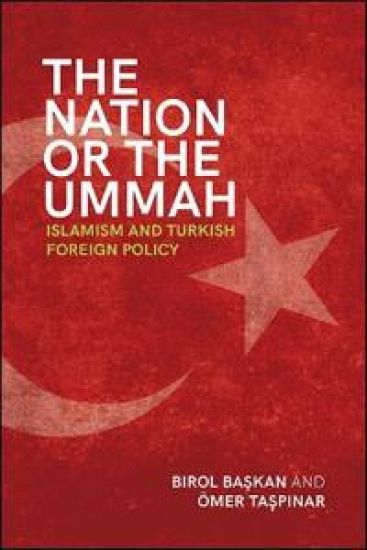
The Nation or the Ummah

The Nation or the Ummah

Birol Baskan; Ömer Taspinar

STATE UNIVERSITY OF NEW YORK PRESS
2022
pokkari
Explains why Turkey embraced the Arab Spring despite the risk both domestically and internationally. Turkey's enthusiastic embrace of the Arab Spring set in motion a dynamic that fundamentally altered its relations with the United States, Russia, Qatar, Egypt, Saudi Arabia, the United Arab Emirates, and Iran, and transformed Turkey from a soft power to a hard power in the tangled geopolitics of the Middle East. Birol Baskan and Ömer Taspinar argue that the ruling Justice and Development Party's (AKP) Islamist background played a significant role in the country's decision to embrace the uprisings and the subsequent foreign policy direction the country has pursued. They demonstrate that religious ideology is endogenous to-shaping and in turn being shaped by-Turkey's various engagements in the Middle East. The Nation or the Ummah emphasizes that while Islamist religious ideology does not provide specific policy prescriptions, it does shape the way the ruling elite sees and interprets the context and the structural boundaries they operate within.
The Nation or the Ummah

The Nation or the Ummah

Birol Baskan; Ömer Taspinar

State University of New York Press
2021
sidottu
Explains why Turkey embraced the Arab Spring despite the risk both domestically and internationally. Turkey's enthusiastic embrace of the Arab Spring set in motion a dynamic that fundamentally altered its relations with the United States, Russia, Qatar, Egypt, Saudi Arabia, the United Arab Emirates, and Iran, and transformed Turkey from a soft power to a hard power in the tangled geopolitics of the Middle East. Birol Baskan and Ömer Taspinar argue that the ruling Justice and Development Party's (AKP) Islamist background played a significant role in the country's decision to embrace the uprisings and the subsequent foreign policy direction the country has pursued. They demonstrate that religious ideology is endogenous to-shaping and in turn being shaped by-Turkey's various engagements in the Middle East. The Nation or the Ummah emphasizes that while Islamist religious ideology does not provide specific policy prescriptions, it does shape the way the ruling elite sees and interprets the context and the structural boundaries they operate within.
What the West is Getting Wrong about the Middle East
The West’s actions in the Middle East are based on a fundamental misunderstanding: political Islam is repeatedly assumed to be the main cause of conflict and unrest in the region. The idea that we can decipher Jihadist radicalization or problems in the Middle East simply by reading the Qur’an has now become symptomatic of our age. This dangerous over-simplification and the West’s obsession with Islam dominates media and policy analysis, ultimately skewing intervention and preventing long-term solutions and stability in the region. Ömer Taspinar, who has 20 years’ research and policymaking experience, explains here what is really going on in the Middle East. The book is based on three of the most pressing cases currently under the spotlight: the role of Erdogan and the unrest in Turkey; the sectarian clashes in Iraq, Syria, Yemen and Lebanon; and the existence of the so-called Islamic State. Islam is often seen as the root cause of the challenge associated with these cases. But by unpacking the real issues, such as entrenched authoritarianism, vast energy resources, excessive defense spending, and the youth bulge, the book demystifies what is happening and cites governance and nationalism as the main drivers of conflict. The book shows the importance of treating the causes – which are economic, social and institutional – rather than the symptom – the continued and growing success of Islamist parties and jihadist movements in assessing the Middle East. In revealing exactly how Islamism is activated and by analyzing the structural challenges of the region, this unique insider’s account provides a map to understanding Middle Eastern wars and conflicts and the prospects for the future.
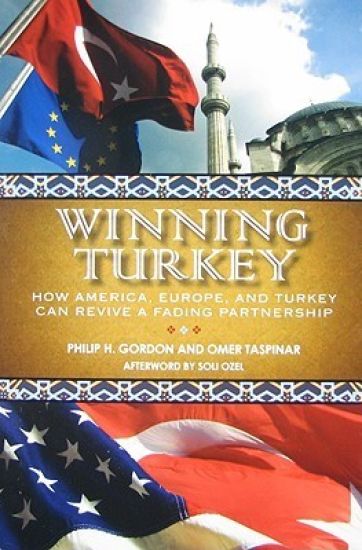
Winning Turkey

Winning Turkey

Philip H. Gordon; Omer Taspinar; Soli Ozel

Brookings Institution
2008
nidottu
"Turkey has always been a crossroads: the point where East meets West, Europe meets Asia, and Christianity meets Islam. Turkey has also been a close and important American ally, but a series of converging political and strategic factors have now endangered its longstanding Western and democratic orientation. In Winning Turkey, two leading analysts explain this worrisome situation and present a plan for improving it. The stakes are clear. Turkey is the most advanced democracy in the Islamic world, bordering a number of the world's hotspots, including Iraq, Iran, and the Caucasus. It occupies the corridor between Western markets and Caspian Sea energy reserves. A stable, Western-oriented Turkey moving toward EU membership would provide a growing market for exports, a source of needed labor, a positive influence on the Middle East, and an ally in the war on terror. The picture has darkened, however, as rising anti-Americanism, deflated hopes for EU accession, civil-military tensions, and terrorist threats have destabilized an already volatile Turkish political system. Wi nning Turkey designs a plan to ease tensions in this critical part of the world. In addition to proposing a ""grand bargain"" between Turkey and the Kurds, it advocates greater support for increased liberalism and democracy, a renewed commitment by both Europe and Turkey to promote EU membership, a historic compromise with Armenia, and greater Western engagement with Turkish Cypriots."