Kirjojen hintavertailu – 12 903 725 kirjaa ja 27 kauppaa

Kirjailija

Ondina E González

Kirjat ja teokset yhdessä paikassa: 5 kirjaa, julkaisuja vuosilta 2007–2020, suosituimpiin kuuluu Documentos para la historia del cristianismo en América Latina. Vertaile teosten hintoja ja tarkista saatavuus suomalaisista kirjakaupoista.

Nimi esiintyy myös muodoissa: Ondina E. González, Ondina E. Gonzalez

5 kirjaa

Kirjojen julkaisuvuodet: 2007–2020.

Documentos para la historia del cristianismo en América Latina

Documentos para la historia del cristianismo en América Latina

Ondina E González; Justo L González

Ediciones Kairos
2020
pokkari
A lo largo de las p ginas se desarrollan dos rostros contrastantes del cristianismo en Am rica Latina. Por una parte, los esfuerzos de justificar la explotaci n y de calmar la conciencia, pero tambi n ardientes llamados hacia una transformaci n radical. Se muestran los intentos de usar el cristianismo para instar a los oprimidos a someterse, y su resistencia y hasta rebeli n, tambi n en nombre del cristianismo. Es una invitaci n a buscar las diversas expresiones de estos dos polos del cristianismo seg n fueron evolucionando a trav s de los siglos, al responder a la esclavitud africana, al llamado a la independencia, a los diversos programas de transformaci n social y de revoluci n. Se ver que no s lo se manifestaron en el catolicismo romano, sino tambi n entre los protestantes cuando entraron en escena. Sin embargo, estos dos rostros del cristianismo no constituyen la totalidad de la inmensa variedad de experiencias religiosas, creencias y pr cticas que han tenido lugar en Am rica Latina. En las p ginas que siguen podr leer acerca de las religiones nativas y africanas y c mo elementos importantes de ellas han subsistido, frecuentemente debajo de un barniz de cristianismo.
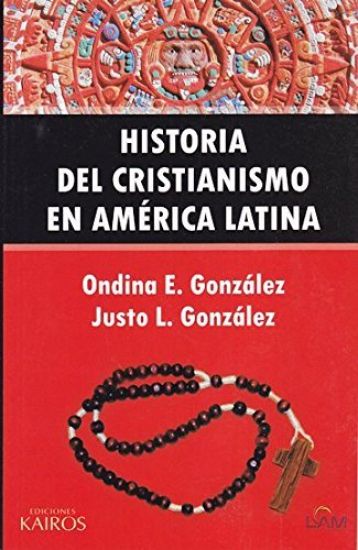
Historia del Cristianismo en América Latina

Historia del Cristianismo en América Latina

Ondina E González; Justo L González

Ediciones Kairos
2020
pokkari
Desde la llegada de los conquistadores en el siglo XV hasta la difusi n del movimiento Pentecostal en la actualidad, el cristianismo ha sido uno de los factores m s determinantes en la vida de los pa ses latinoamericanos. A la vez, el cristianismo refleja formas y culturas propias de nuestro continente, y los cambios que lo marcan en esta regi n est n afectando otras regiones del mundo por medio de la inmigraci n y las comunicaciones a nivel global. Tomando muy en cuenta esta relaci n mutua entre el cristianismo que se desarroll en Am rica Latina y el cristianismo alrededor del mundo, esta obra describe los encuentros m s importantes entre pueblos e ideas en relaci n con la fe cristiana. Lo hace mientras conduce al lector en un fascinante peregrinaje narrativo que tiene como protagonistas a exploradores, misioneros, campesinos, m sticos, charlatanes, evangelistas, pastores, dictadores y m rtires. Se trata de una s ntesis magistral de la historia del cristianismo en Am rica Latina--una historia que busca fomentar una comprensi n equilibrada de los factores que afectan tanto al cristianismo como a todo el continente.
Christianity in Latin America

Christianity in Latin America

Justo L. González; Ondina E. González

Cambridge University Press
2007
sidottu
From the arrival of the conquistadores in the fifteenth century to the spread of the Pentecostal movement today, Christianity has moulded, coerced, refashioned, and enriched Latin America. Likewise, Christianity has been changed, criticized, and renewed as it crossed the Atlantic. These changes now affect its practice and understanding, not only in South and Central America and the Caribbean, but also - through immigration and global communication - around the world. Focusing on this mutually constitutive relationship, Christianity in Latin America presents the important encounters between people, ideas, and events of this large, heterogeneous subject. In doing so, it takes readers on a fascinating journey of explorers, missionaries, farmers, mystics, charlatans, evangelists, dictators, and martyrs. This book offers an accessible and engaging review of the history of Christianity in Latin America with a widely ecumenical focus to foster understanding of the various forces shaping both Christianity and the region.
Christianity in Latin America

Christianity in Latin America

Justo L. González; Ondina E. González

Cambridge University Press
2007
pokkari
From the arrival of the conquistadores in the fifteenth century to the spread of the Pentecostal movement today, Christianity has moulded, coerced, refashioned, and enriched Latin America. Likewise, Christianity has been changed, criticized, and renewed as it crossed the Atlantic. These changes now affect its practice and understanding, not only in South and Central America and the Caribbean, but also - through immigration and global communication - around the world. Focusing on this mutually constitutive relationship, Christianity in Latin America presents the important encounters between people, ideas, and events of this large, heterogeneous subject. In doing so, it takes readers on a fascinating journey of explorers, missionaries, farmers, mystics, charlatans, evangelists, dictators, and martyrs. This book offers an accessible and engaging review of the history of Christianity in Latin America with a widely ecumenical focus to foster understanding of the various forces shaping both Christianity and the region.
Raising an Empire

Raising an Empire

Ondina E. Gonzalez

University of New Mexico Press
2007
nidottu
From the sixteenth through the nineteenth centuries, Spain and Portugal raised and nurtured vast American empires, both metaphorically and literally. From the very beginning, conquerors and settler elites engaged in colonial enterprises as they considered the New World through traditional Iberian ideas about childhood and as they established institutions for educating youths, sheltering infants, and extracting labor from children. Inevitably, Iberian concepts of childhood were transformed by everyday confrontations with the practices and norms of indigenous, African, and mixed-race inhabitants, and as new generations of truly colonial children were born. ""Raising an Empire"" takes readers on a journey into the world of children and childhood in early modern Ibero-America. Its contributors enter a vibrant new field of study in the region and challenge the conventional notion that children are invisible in the historical record. Employing diverse methods to decode a wide variety of sources, these essays present their small subjects - elite maidens, abandoned babies, Indian servants, slave apprentices - through their lives and times.