Kirjojen hintavertailu – 12 859 818 kirjaa ja 27 kauppaa

Kirjailija

Osamu Dazai

Kirjat ja teokset yhdessä paikassa: 65 kirjaa, julkaisuja vuosilta 1968–2027, suosituimpiin kuuluu Epäkelpo ihmiseksi. Vertaile teosten hintoja ja tarkista saatavuus suomalaisista kirjakaupoista.

65 kirjaa

Kirjojen julkaisuvuodet: 1968–2027.

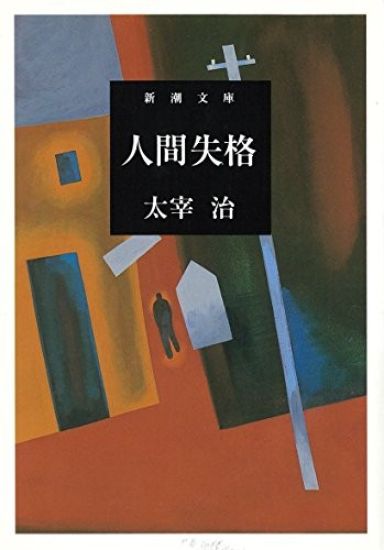
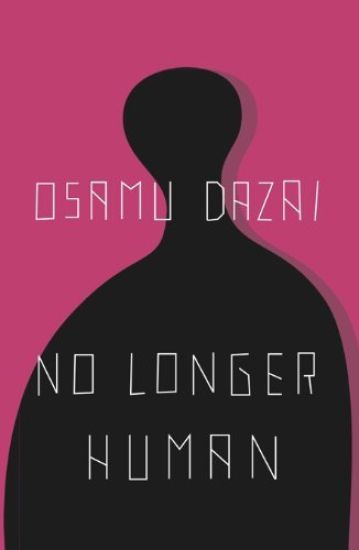
No Longer Human

No Longer Human

Osamu Dazai

New Directions Publishing Corporation
1973
nidottu

Halvin toimitettuna 18,60 €

Portraying himself as a failure, the protagonist of Osamu Dazai's No Longer Human narrates a seemingly normal life even while he feels himself incapable of understanding human beings. Oba Yozo's attempts to reconcile himself to the world around him begin in early childhood, continue through high school, where he becomes a "clown" to mask his alienation, and eventually lead to a failed suicide attempt as an adult. Without sentimentality, he records the casual cruelties of life and its fleeting moments of human connection and tenderness.
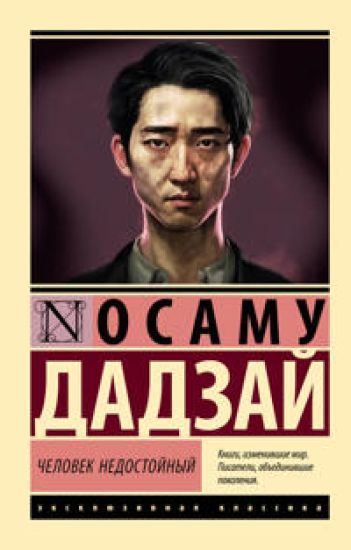
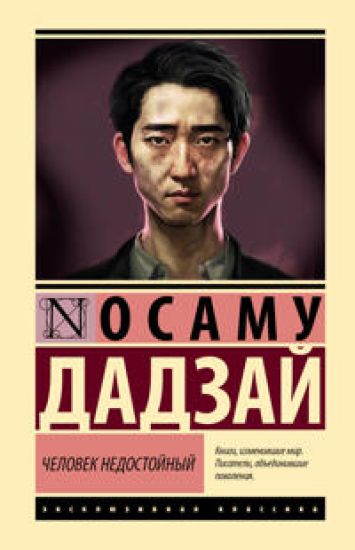
Chelovek nedostojnyj

Chelovek nedostojnyj

Osamu Dazai

Ast
2025
nidottu

Halvin toimitettuna 14,00 €

"Chelovek nedostojnyj" - samaja izvestnaja povest Osamu Dadzaja. Proizvedenie vo mnogom avtobiograficheskoe - mnogie kritiki schitajut, chto v obraze Jodzo Oba izobrazhen sam avtor: stradajuschij chelovek, kotoryj razrushaet svoju zhizn, ne najdja v nej mesta. I, slovno by podvedja etim chertu pod sobstvennym suschestvovaniem i vlozhiv v povest vsego sebja, vskore posle vykhoda "Cheloveka nedostojnogo" Dadzaj brosilsja v odin iz tokijskikh vodosbornikov. Eto proizvedenie izvestno vo vsem mire. Ono leglo v osnovu filma, mangi, neskolkikh anime. Povest publikuetsja v novom perevode. Perevod U. Saptsinoj
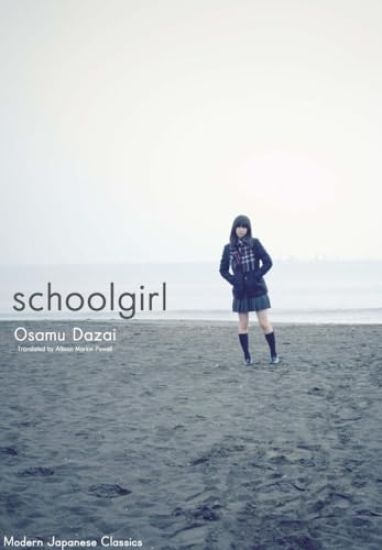
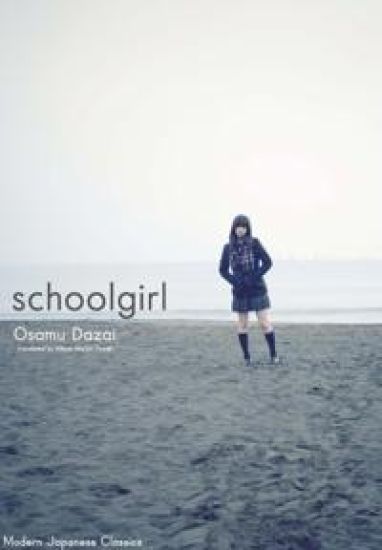
Schoolgirl

Schoolgirl

Osamu Dazai

Social Club Books
2024
sidottu
Essentially the start of Dazai's career, Schoolgirl gained notoriety for its ironic and inventive use of language. Now it illuminates the prevalent social structures of a lost time, as well as the struggle of the individual against them-a theme that occupied Dazai's life both personally and professionally. This new translation preserves the playful language of the original and offers the reader a new window into the mind of one of the greatest Japanese authors of the 20th century.
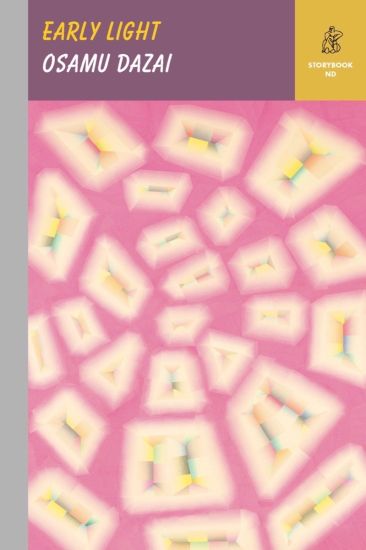
Early Light

Early Light

Osamu Dazai

NEW DIRECTIONS PUBLISHING CORPORATION
2022
sidottu

Halvin toimitettuna 25,50 €

Early Light offers three very different aspects of Osamu Dazai's genius: the title story relates his misadventures as a drinker and a family man in the terrible fire bombings of Tokyo at the end of WWII. Having lost their own home, he and his wife flee with a new baby boy and their little girl to relatives in Kofu, only to be bombed out anew. "Everything's gone," the father explains to his daughter: "Mr. Rabbit, our shoes, the Ogigari house, the Chino house, they all burned up," "Yeah, they all burned up," she said, still smiling. "One Hundred Views of Mount Fuji," another autobiographical tale, is much more comic: Dazai finds himself unable to escape the famous views, the beauty once immortalized by Hokusai and now reduced to a cliche. In the end, young girls torment him by pressing him into taking their photo before the famous peak: "Goodbye," he hisses through his teeth, "Mount Fuji. Thanks for everything. Click." And the final story is "Villon's Wife," a small masterpiece, which relates the awakening to power of a drunkard's wife. She transforms herself into a woman not to be defeated by anything, not by her husband being a thief, a megalomaniacal writer, and a wastrel. Single-handedly, she saves the day by concluding that "There's nothing wrong with being a monster, is there? As long as we can stay alive."
Home to Tsugaru

Home to Tsugaru

Osamu Dazai

Shelley Marshall
2022
pokkari
Place: Tsugaru in Aomori Prefecture, Japan Time: Spring 1944As World War II was coming to an end, Osamu Dazai (born Shuji Tsushima) returned to his home in the northern tip of Honshu, Japan on assignment from a publisher to travel and write about the part of Japan where he was born and raised. He writes with humor and warmth about old friends, the people (family and servants) who nurtured him, his obsession with crabs, and his worries over sake in times of rationing. He writes with pride about his home even as he learns about some of its customs and history for the first time. This travel journal is part travelogue, part history lesson, and part love story. Osamu Dazai (1909-1948) was a twentieth century Japanese author. He is best known for the novels The Setting Sun and No Longer Human.
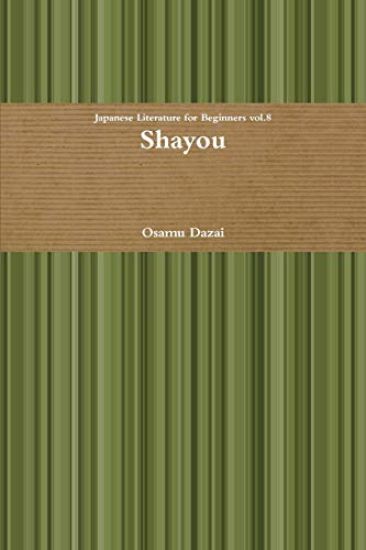
Shayou

Shayou

Osamu Dazai

Lulu.com
2011
nidottu
From Wikipedia: The Setting Sun (ae-ue' Shayo) is a Japanese novel by Osamu Dazai. It was published in 1947 and is set in Japan after World War II. Principal characters are the siblings Kazuko and Naoji, and their elderly mother. The story shows a family in decline and crisis, like many other families during this period of transition between traditional Japan and a more advanced, industrial society. Many families needed to leave their old lives behind and start anew. Throughout the story, mostly through the character Naoji, the author brings up a number of social and philosophical problems of that time period.
Schoolgirl

Schoolgirl

Osamu Dazai

One Peace Books, Incorporated
2011
nidottu

Halvin toimitettuna 17,30 €

This is a superb new translation of the story that propelled one of 20th century Japan's most acclaimed writers into the spotlight. "Schoolgirl" is the novella that first established Dazai as a member of Japan's literary elite. Essentially the start of Dazai's career, the 1933 work gained notoriety for its ironic and inventive use of language, and how it illuminated the prevalent social structures of a lost time, as well as the struggle of the individual against them - a theme that occupied Dazai's life both personally and professionally. This new translation preserves the playful language of the original and offers the reader a new window into the mind of one of the greatest Japanese authors of the 20th century.
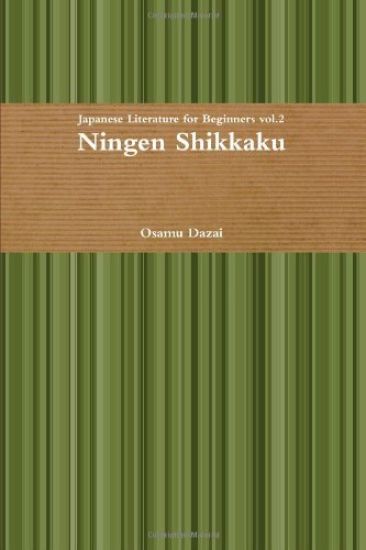
Ningen Shikkaku

Ningen Shikkaku

Osamu Dazai

Lulu.com
2011
nidottu
From Wikipedia: No Longer Human (a e-"a ae Ningen Shikkaku) is a Japanese novel by Osamu Dazai. Published after "Run Melos" and "The Setting Sun", "No Longer Human" is considered Dazai's masterpiece and ranks as the second-best selling novel in Japan, behind Kokoro.
The Book of Japanese Folktales

The Book of Japanese Folktales

Osamu Dazai

Tuttle Publishing
2027
Nidottu
A collection of Osamu Dazai's fractured fairy tales, magical myths and fantastical fables! In a trench during a Tokyo raid, a father distracts his son with four familiar stories, giving them his own unique twists. Written in the final months of World War II, these are Dazai's retellings of traditional Japanese fairy tales. We meet a mischievous tanuki raccoon dog, lumbering oni ogres and a Japanese Rip Van Winkle. Combining Dazai's legendary Book of Fairy Tales with a curated selection of lively fables and classic tales, master Dazai translator Ralph McCarthy highlights the multiple dimensions to Dazai's colorfully creative stories: Urashima Taro: A talking tortoise dispenses advice to a fisherman, who opens a shell given to him by a princess and instantly becomes 300 years old Tanuki and the Bunny: Barely escaping being made into stew, Tanuki meets his match in Bunny who sets him on fire then tricks him into boarding a mud boat that is sinking Tongue-Cut Sparrow: A jealous wife greedily hauling her gold-filled baskets rips out a bird's tongue before dying in the snow The Chrysanthemum Spirit: An obsessive gardener in search of chrysanthemum seeds meets his match in supernatural siblings with a talent for horticulture Lanterns of Romance: A wealthy, eccentric Japanese family take turns concocting their own elaborately horrifying versions of Rapunzel's fate, reflecting their own anxieties and neuroses And six more, including "The Mermaid and the Samurai" and "Blue Bamboo" Filled with Dazai's signature wit and humor, these fables feature the fantastical and slyly subersive side of a beloved storyteller.
The Final Years

The Final Years

Osamu Dazai

Tuttle Publishing
2027
Nidottu
"Osamu Dazai wrote, better than almost anyone, about the thin line between isolation and belonging." —The Atlantic The acclaimed Japanese writer Osamu Dazai, often described as the "bad boy" of Japanese literature, is enjoying a cultural moment. Known today in the West primarily as a novelist, Dazai first made his name in Japan through shocking short stories that experimented with radically unconventional styles and deeply personal subject matter, often autobiographical and drawn from his own struggles with suicide, addiction and depression. The Final Years (Bannen in Japanese) was Dazai's first book, published in 1936 and later described by him as a kind of "suicide note" to the world, though more than a decade would pass before his death in 1948. The stories draw on his personal struggles—fraught family relationships, sordid love affairs, infidelities, and his many addictions—with great humor and empathy. These enduring concerns continue to resonate with contemporary readers. This collection of fifteen stories includes many of Dazai's most famous works, several appearing in English here for the first time: Recollections: A semi-autobiographical piece in which the narrator recalls incidents from his childhood, including struggles to please a domineering father, self-disgust at his own appearance, and unrequited love for a household maid that his brother is also in love with. The Flowers of Buffoonery: A young man enters a suicide pact with his lover, but survives while she dies; a direct reflection of events that Dazai himself experienced.. Undine: A fable about a girl living alone with her father, a poor charcoal gatherer. After an argument, she runs away and throws herself into a waterfall, where she is transformed into a carp and drawn deeper into the waters below. The Pillow Book of a Creep: The intimate musings of a depressed writer struggling with debt and an unhappy marriage. The introduction by translators James Garza and Irena Hayter explores the autobiographical roots of Dazai's writings, his repeated suicide attempts, and the ways in which these stories remain strikingly modern in their psychological insight.
Inte Längre Människa (Japanska)
Osamu Dazais *No Longer Human*, den framstående efterkrigsförfattarens andra roman, berättar den gripande historien om en ung man som slits mellan en nordjapansk aristokratisk familjs sönderfallande traditioner och västerländska idéers inflytande. Som en följd av detta känner han sig ”diskvalificerad från att vara människa”.
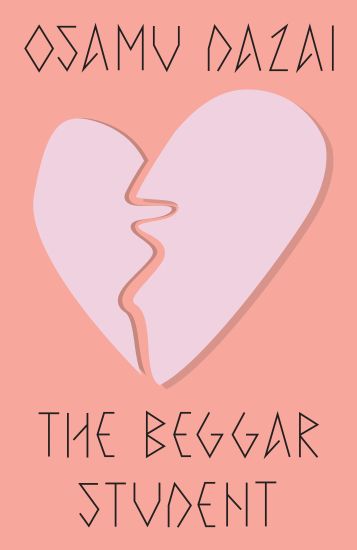
The Beggar Student

The Beggar Student

Osamu Dazai

NEW DIRECTIONS PUBLISHING CORPORATION
2024
nidottu

Halvin toimitettuna 17,30 €

A fictional writer in his thirties named Osamu Dazai has just sent his publisher a terrible manuscript, filling him with dread and shame. Shortly afterward, while moping around a park in suburban Tokyo, he spots someone drowning in a nearby aqueduct. He doesn’t want to become a witness to a suicide and eventually decides to flee the park. But as he is leaving, he trips over the boy who had been drowning, and the two begin an unlikely conversation that turns into an intellectual spat. Hoping to ingratiate himself with the boy—a high-school dropout—Dazai finds himself agreeing to perform in the boy’s stead that very night as the live narrator of a film screening... So begins the madcap adventure of The Beggar Student, where there is glamor in destitution, and intellectual one-upmanship reveals glimmers of truth. Replete with settings incorporated into the popular anime Bungo Stray Dogs and with echoes of No Longer Human, this biting novella captures the infamous Japanese writer at his mordant best.
Chelovek nedostojnyj

Chelovek nedostojnyj

Osamu Dazai

Ast
2024
sidottu
"Chelovek nedostojnyj" - samaja izvestnaja povest Osamu Dadzaja. Proizvedenie vo mnogom avtobiograficheskoe - mnogie kritiki schitajut, chto v obraze Jodzo Oba izobrazhen sam avtor: stradajuschij chelovek, kotoryj razrushaet svoju zhizn, ne najdja v nej mesta. I, slovno by podvedja etim chertu pod sobstvennym suschestvovaniem i vlozhiv v povest vsego sebja, vskore posle vykhoda "Cheloveka nedostojnogo" Dadzaj brosilsja v odin iz tokijskikh vodosbornikov. Eto proizvedenie izvestno vo vsem mire. Ono leglo v osnovu filma, mangi, neskolkikh anime. Povest publikuetsja v novom perevode.