Kirjojen hintavertailu – 12 859 819 kirjaa ja 27 kauppaa
Kirjailija
Oscar Romero
Kirjat ja teokset yhdessä paikassa: 5 kirjaa, julkaisuja vuosilta 2014–2020, suosituimpiin kuuluu Plough Quarterly No. 16 - America's Prophet. Vertaile teosten hintoja ja tarkista saatavuus suomalaisista kirjakaupoista.
Edwidge Danticat; Susannah Heschel; Eugene F. Rivers III; Brandon M. Terry; Gary Dorrien; D. L. Mayfield; Chris Gibson; Oscar Romero; Oddny Gumaer; Nathaniel Peters; Philip Britts
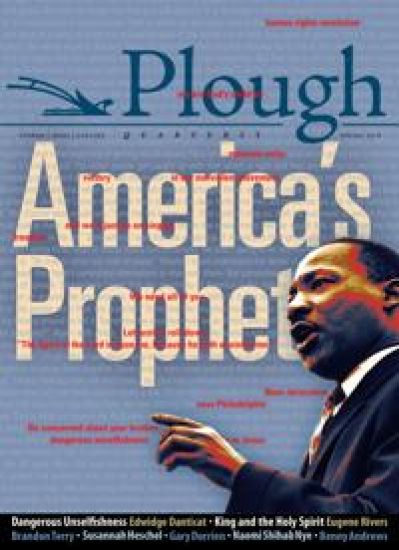
What if Martin Luther King Jr., this name-branded, oft-sanitized preacher from Atlanta, is a prophet whose message America has yet to fully reckon with? Ten days before Martin Luther King Jr.’s assassination, Rabbi Abraham Joshua Heschel said, “Where in America today do we hear a voice like the voice of the prophets of Israel? Martin Luther King is a sign that God has not forsaken the United States of America. God has sent him to us.” What if Heschel’s words about King are true? What if this name-branded, oft-sanitized, Super-Bowl-ad-commercialized, National-Mall-memorialized preacher from Atlanta . . . is a prophet whose message America has yet to fully reckon with? This issue of Plough Quarterly looks at King’s unfinished struggle against the three evils of racism, materialism, and militarism. Perspectives from Edwidge Danticat, Gary Dorrien, Brandon M. Terry, D. L. Mayfield, Eugene Rivers, and Susannah Heschel explore the ways King’s message of nonviolence, justice, and love of neighbor still matters today: to refugees and immigrants, soldiers and veterans, preachers and prisoners, black lives matter activists and the white working class. Also in this issue: original poetry by Naomi Shihab Nye; reviews of new books by James Forman Jr., Steve Krivák, Jim Forest, and Christopher de Hamel; and art by Yvan Lamothe, Roberson Joseph, Barry Moser, Benny Andrews, Zoe Cromwell, Julian Peters, Asuka Hishiki, Mark Smith, Mary Kang, Marc Chagall, John Partipilo, Yuri Kozyrev, Vinicius Barajas, Iain Stewart, Giovanni Bellini. Plough Quarterly features stories, ideas, and culture for people eager to put their faith into action. Each issue brings you in-depth articles, interviews, poetry, book reviews, and art to help you put Jesus’ message into practice and find common cause with others.
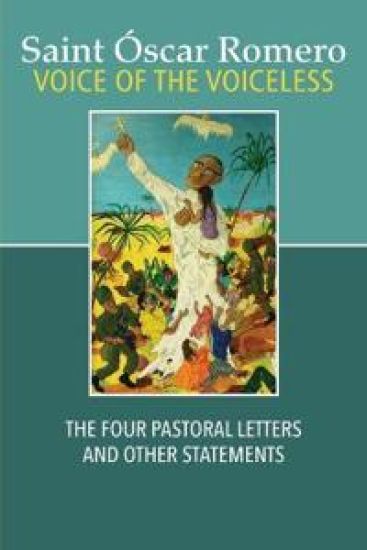
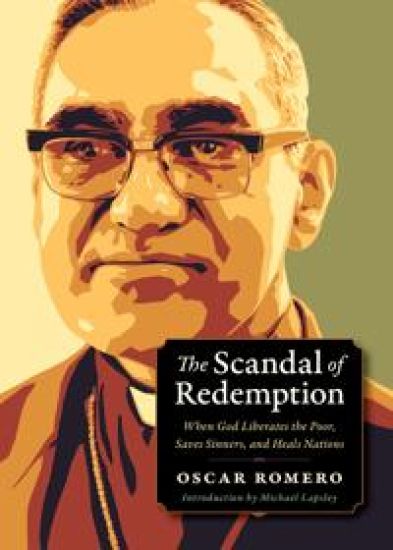
In the three short years of Oscar Romero's episcopal ministry he emerged as a courageous prophet, a voice for those who had no voice, and truly a saint for our time. Nowhere is his theological and pastoral vision so clearly expressed as in the four pastoral letters he released from 1977-1980. Along with the other documents collected here, they represent one of the most powerful expressions of church teaching in our time: an application of the gospel to the challenges of history, especially in situations marked by injustice, inequality, and violence. These documents, sealed by his own blood, are a timeless call to follow the Good News of Jesus, wherever it leads.
To find out why Pope Francis is making Oscar Romero a saint, read the words that cost him his life.” A church that does not provoke crisis, a gospel that does not disturb, a word of God that does not touch the concrete sin of the society in which it is being proclaimed – what kind of gospel is that?” Three short years transformed El Salvador’s Archbishop Oscar Romero from a defender of the status quo into one of the most outspoken voices of the oppressed. An assassin’s bullet ended his life, but his message lives on. In March 2018 Pope Francis announced that the Catholic Church would canonize Oscar Romero, acknowledging that he is indeed a saint who was martyred for proclaiming the gospel, and that the political and social implications of that message, which so scandalized the powerful, flowed directly from Romero’s faithfulness to the teachings of Jesus. These selections from Romero’s diaries and radio broadcasts invite each of us to align our own lives with the way of Jesus that lifts up the poor, welcomes the broken, wins over enemies, and transforms the history of entire nations.
Jonathan Kozol; Glenn T. Stanton; Johann Christoph Arnold; Rachel Carson; Ron Sider; Oscar Romero; Joan Almon; Robert Lasalle-Klein; Clarence Jordan; Eugene Rivers; Ernst Wiechert; Friedrich Froebel
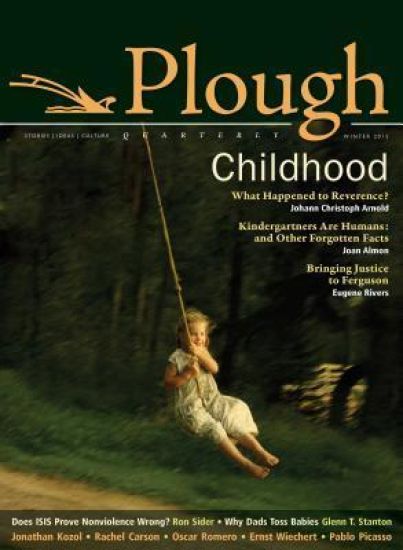
In this issue, we explore why children and childhood are at the heart of the gospel – and of God’s plan for restoring the world. Hear from Johann Christoph Arnold on “Discovering Reverence,” Joan Almon on “Kindergartners Are Humans,” and Glen Stanton on “Why Dads Toss Babies.” A surgeon shares what he’s learned from children with disabilities, while dispatches from Ferguson, Missouri, the US–Mexico border, and the South Bronx focus on places where childhood is especially threatened. Other contributors examine public, homeschool, and Christian education; highlight the role of fathers; and grapple with Jesus’ uncomfortable version of family values. Bold, hope-filled, and down-to-earth, Plough Quarterly features thought-provoking articles, commentary, interviews, short fiction, book reviews, poetry and artwork to inspire everyday faith and action. Each issue brings together essential voices from many traditions to give you fresh insights on a core theme such as peacemaking, biblical justice, children and family, building community, man and woman, nature and the environment, nonviolence, or simple living. Starting from the conviction that the teachings and example of Jesus can transform and renew our world, it aims to apply them to all aspects of life, seeking common ground with all people of goodwill regardless of creed.
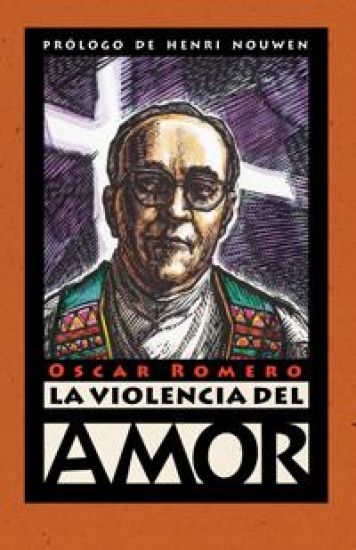
Monseñor Óscar Arnulfo Romero dio su vida “por la iglesia y por el pueblo de su querida patria”, El Salvador; éstas son las palabras del Papa Juan Pablo II. Su muerte por la bala de un asesino, el 24 de marzo de 1980, culminó una vida dedicada al servicio de sus hermanos como sacerdote y obispo. Intrépido defensor de los pobres y desamparados, alcanzó renombre mundial durante sus tres años como arzobispo de San Salvador. Las universidades de Georgetown y Lovaina le confirieron títulos honoris causa, y miembros del parlamento de Gran Bretaña lo nombraron candidato para el Premio Nobel por la Paz. Al mismo tiempo se ganó la difamación y el odio de miembros de la oligarquía salvadoreña – manifestados en persistentes ataques en los medios de comunicación – que inevitablemente terminaron en su martirio. Esta selección del pensamiento de Monseñor Romero se ha hecho para que otros se encuentren con la fuerza de su fe y el impacto de sus palabras.