

Kirjailija
Oscar Wilde
Kirjat ja teokset yhdessä paikassa: 2 744 kirjaa, julkaisuja vuosilta 1890–2026, suosituimpiin kuuluu Aforismeja. Vertaile teosten hintoja ja tarkista saatavuus suomalaisista kirjakaupoista.
2 744 kirjaa
Kirjojen julkaisuvuodet: 1890–2026.

Al ser atacada con violencia la genial postura esc nica que caracteriza actualmente las reposiciones shakespearianas en Inglaterra, los cr ticos parecen suponer t citamente que Shakespeare era m s o menos indiferente a los trajes de sus actores, y que si pudiesen contemplar las representaciones de Antonio y Cleopatra de Mrs. Langtry, dir a probablemente que la obra, y s lo la obra, es esencial, y que todo el resto no es m s que piel y ropa. Tambi n, a prop sito de la exactitud hist rica en la indumentaria, lord Lytton dec a en un art culo la Nineteenth Century, como dogma art stico, que la arqueolog a se encuentra totalmente fuera de lugar en la representaci n de cualquier obra de Shakespeare, y que intentar destacarla era una de las pedanter as m s est pidas propias de una poca de sabihondos. M s tarde estudiar la situaci n en que se pone lord Lytton; pero en lo concerniente al rumor de que Shakespeare no se ocupaba en absoluto del vestuario de su teatro, cualquiera puede comprobar, si estudia atentamente el m todo de este autor, que ninguno de los dramaturgos franceses, ingleses o atenienses se preocupaban tanto como l de la indumentaria de sus actores y de sus efectos ilusionistas. Como l sab a perfectamente que la belleza del traje fascina siempre a los temperamentos art sticos, introduce continuamente en sus obras danzas y m scaras, s lo por el placer que proporcionan a la vista.

La verdad sobre las máscaras/The truth of masks: Edición bilingüe/Bilingual edition
Oscar Wilde
Createspace Independent Publishing Platform
2015
nidottu
Al ser atacada con violencia la genial postura esc nica que caracteriza actualmente las reposiciones shakespearianas en Inglaterra, los cr ticos parecen suponer t citamente que Shakespeare era m s o menos indiferente a los trajes de sus actores, y que si pudiesen contemplar las representaciones de Antonio y Cleopatra de Mrs. Langtry, dir a probablemente que la obra, y s lo la obra, es esencial, y que todo el resto no es m s que piel y ropa. Tambi n, a prop sito de la exactitud hist rica en la indumentaria, lord Lytton dec a en un art culo la Nineteenth Century, como dogma art stico, que la arqueolog a se encuentra totalmente fuera de lugar en la representaci n de cualquier obra de Shakespeare, y que intentar destacarla era una de las pedanter as m s est pidas propias de una poca de sabihondos. M s tarde estudiar la situaci n en que se pone lord Lytton; pero en lo concerniente al rumor de que Shakespeare no se ocupaba en absoluto del vestuario de su teatro, cualquiera puede comprobar, si estudia atentamente el m todo de este autor, que ninguno de los dramaturgos franceses, ingleses o atenienses se preocupaban tanto como l de la indumentaria de sus actores y de sus efectos ilusionistas. Como l sab a perfectamente que la belleza del traje fascina siempre a los temperamentos art sticos, introduce continuamente en sus obras danzas y m scaras, s lo por el placer que proporcionan a la vista. n many of the somewhat violent attacks that have recently been made on that splendour of mounting which now characterises our Shakespearian revivals in England, it seems to have been tacitly assumed by the critics that Shakespeare himself was more or less indifferent to the costumes of his actors, and that, could he see Mrs. Langtry's production of Antony and Cleopatra, he would probably say that the play, and the play only, is the thing, and that everything else is leather and prunella. While, as regards any historical accuracy in dress, Lord Lytton, in an article in the Nineteenth Century, has laid it down as a dogma of art that archaeology is entirely out of place in the presentation of any of Shakespeare's plays, and the attempt to introduce it one of the stupidest pedantries of an age of prigs. Lord Lytton's position I shall examine later on; but, as regards the theory that Shakespeare did not busy himself much about the costume-wardrobe of his theatre, anybody who cares to study Shakespeare's method will see that there is absolutely no dramatist of the French, English, or Athenian stage who relies so much for his illusionist effects on the dress of his actors as Shakespeare does himself. Knowing how the artistic temperament is always fascinated by beauty of costume, he constantly introduces into his plays masques and dances, purely for the sake of the pleasure which they give the eye.
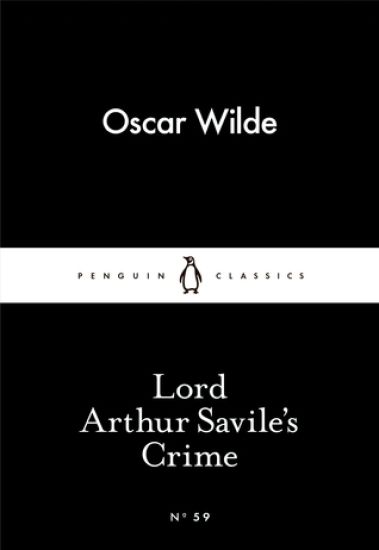
'He was not blind to the fact that murder, like the religions of the Pagan world, requires a victim as well as a priest...'Wilde's supremely witty tale of dandies, anarchists and a murderous prophecy in London high society. Introducing Little Black Classics: 80 books for Penguin's 80th birthday. Little Black Classics celebrate the huge range and diversity of Penguin Classics, with books from around the world and across many centuries. They take us from a balloon ride over Victorian London to a garden of blossom in Japan, from Tierra del Fuego to 16th-century California and the Russian steppe. Here are stories lyrical and savage; poems epic and intimate; essays satirical and inspirational; and ideas that have shaped the lives of millions. Oscar Wilde (1854-1900). Wilde's works available in Penguin Classics are De Profundis and Other Prison Writings, The Complete Short Fiction, The Importance of Being Earnest and Other Plays, The Picture of Dorian Gray and The Soul of Man Under Socialism and Selected Critical Prose.

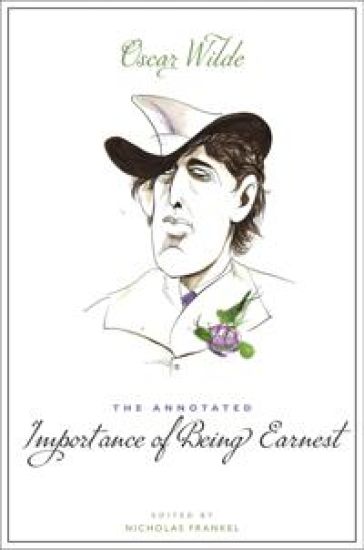
“The truth is rarely pure and never simple,” declares Algernon early in Act One of The Importance of Being Earnest, and were it either, modern literature would be “a complete impossibility.” It is a moment of sly, winking self-regard on the part of the playwright, for The Importance is itself the sort of complex modern literary work in which the truth is neither pure nor simple. Wilde’s greatest play is full of subtexts, disguises, concealments, and double entendres. Continuing the important cultural work he began in his award-winning uncensored edition of The Picture of Dorian Gray, Nicholas Frankel shows that The Importance needs to be understood in relation to its author’s homosexuality and the climate of sexual repression that led to his imprisonment just months after it opened at London’s St. James’s Theatre on Valentine’s Day 1895. In a facing-page edition designed with students, teachers, actors, and dramaturges in mind, The Annotated Importance of Being Earnest provides running commentary on the play to enhance understanding and enjoyment. The introductory essay and notes illuminate literary, biographical, and historical allusions, tying the play closely to its author’s personal life and sexual identity. Frankel reveals that many of the play’s wittiest lines were incorporated nearly four years after its first production, when the author, living in Paris as an exiled and impoverished criminal, oversaw publication of the first book edition. This newly edited text is accompanied by numerous illustrations.

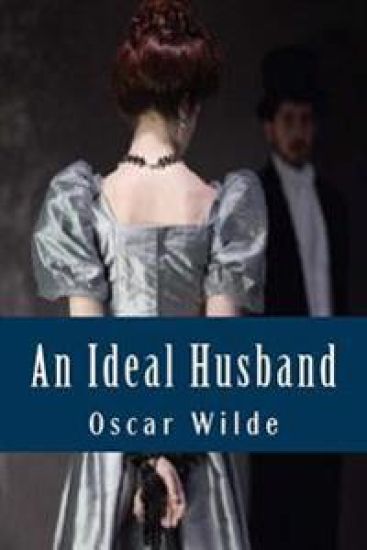
An Ideal Husband is a comedic stage play by Oscar Wilde which revolves around blackmail and political corruption, and touches on the themes of public and private honour. The action is set in London, in "the present", and takes place over the course of twenty-four hours. "Sooner or later," Wilde notes, "we shall all have to pay for what we do." But he adds that, "No one should be entirely judged by their past." Together with The Importance of Being Earnest, it is often considered Wilde's dramatic masterpiece.

"Charmides and Other Poems", by Oscar Wilde. Oscar Wilde was an irish writer and poet (1854-1900).
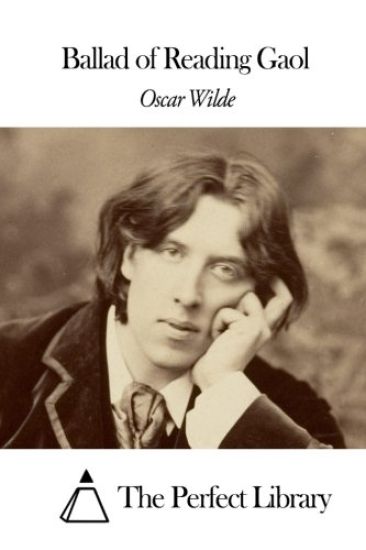
"Ballad of Reading Gaol", by Oscar Wilde. Oscar Wilde was an irish writer and poet (1854-1900).

"A Woman of no Importance", by Oscar Wilde. Oscar Wilde was an irish writer and poet (1854-1900).

"La Sainte Courtisane", by Oscar Wilde. Oscar Wilde was an irish writer and poet (1854-1900).

"Lady Windermere's Fan", by Oscar Wilde. Oscar Wilde was an irish writer and poet (1854-1900).


"Miscellanies", by Oscar Wilde. Oscar Wilde was an irish writer and poet (1854-1900).


"Shorter Prose Pieces", by Oscar Wilde. Oscar Wilde was an irish writer and poet (1854-1900).

"The Happy Prince", by Oscar Wilde. Oscar Wilde was an irish writer and poet (1854-1900).